





The September Price Bump is Real
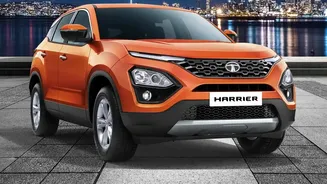
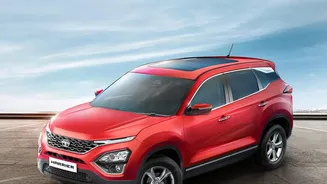
It’s not just a rumour. Several of India’s top carmakers have confirmed that they will be increasing prices from September 1, 2026. Tata Motors has announced an increase of up to ₹25,000 across its range of petrol, diesel, and electric vehicles. Similarly,
Hyundai Motor India will be increasing prices by up to 1% across its entire portfolio. These companies cite familiar pressures: the rising costs of raw materials and inputs, persistent inflation, and other operational expenses. This isn't a new trend; automakers have been implementing smaller, more frequent hikes over the past year to cope with these economic realities. While Maruti Suzuki implemented a price hike earlier in August, other manufacturers are expected to follow Hyundai and Tata's lead.
The Case for Buying Now
The most compelling reason to buy a car in the last days of August is straightforward: you lock in the current, lower price. A 1% hike on a car that costs ₹15 lakh, for instance, translates to an immediate increase of ₹15,000. For a model with a ₹25,000 hike, that’s a significant amount that could otherwise go towards insurance, accessories, or fuel. Furthermore, dealerships are currently running August and Independence Day-related offers to clear existing inventory before the new prices and new stock arrive. These deals might include cash discounts, exchange bonuses, or corporate offers. If you have already decided on a specific model that is confirmed to get a price increase and you don't want to gamble on future discounts, buying before August 31 provides certainty for your budget.
Why Waiting Might Be Wiser
On the other hand, September marks the unofficial start of India's festive season, a period traditionally associated with attractive deals and discounts. Automakers and dealers launch aggressive campaigns during Dussehra and Diwali to boost sales. While the base ex-showroom price of cars will be higher from September 1, the festive offers could potentially include benefits like heavily subsidised insurance, free accessories, extended warranties, and generous exchange bonuses that might offset, or even surpass, the price hike. Waiting also makes sense if you aren't in a hurry or are interested in a newly launched model. Several facelifts and new cars are expected in September and October, and you might find a better or more updated vehicle for your needs if you hold out.
Crunching the Numbers: A Quick Example
Let's make this tangible. Consider a popular SUV model currently priced at ₹12 lakh ex-showroom. A price hike of 1.5% would increase its cost by ₹18,000. If you buy in August, your ex-showroom price is ₹12 lakh. If you wait until the festive period in October, the ex-showroom price might be ₹12.18 lakh. However, a festive deal could offer a 'benefits package' worth ₹20,000 (combining a cash discount and a lower insurance premium). In this scenario, waiting would be slightly more beneficial. Conversely, if the festive benefits only amount to ₹10,000, you would have lost out by not buying in August. The decision hinges on whether you believe upcoming discounts will be substantial enough to beat the confirmed price increase.
How to Make Your Call
There is no single right answer, but you can find the right answer for you by asking a few key questions. First, is your need for a new car urgent? If so, buying now is a safe bet. Second, have you finalised the exact model and variant? If yes, call the dealership and ask directly if that specific variant is part of the price hike. Third, how flexible is your budget? If an extra ₹15,000-₹25,000 would stretch your finances thin, it's better to act now. Finally, are you willing to take a calculated risk on the festive season? If you’re not wedded to one particular model and enjoy the thrill of the hunt for the best deal, waiting for Diwali offers could pay off.