




The Fresh Herb Problem
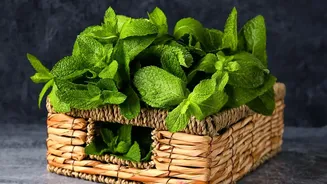
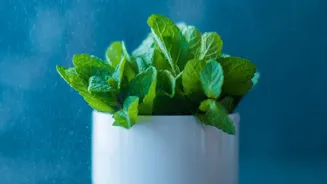
We have all been there. A recipe calls for a handful of fresh mint leaves, so you buy a whole bunch. A small 100g bunch of mint can cost anywhere from ₹12 to ₹15. It feels like a small expense, but it adds up. More often than not, the rest of the bunch languishes
in the refrigerator, slowly turning brown before you find another use for it. This cycle of buying and wasting is not just a drain on your wallet; it is also a missed opportunity for superior flavour. Store-bought herbs, while convenient, can never match the potent aroma and taste of leaves plucked just moments before use.
Mint: The Perfect Starter Herb
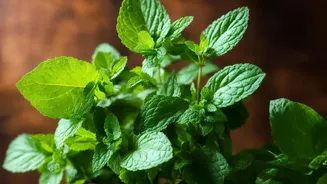
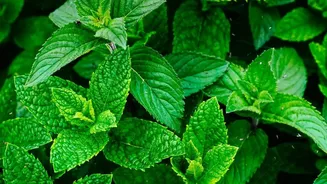
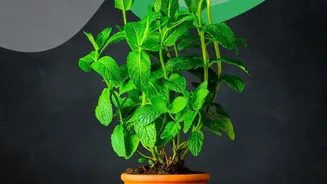
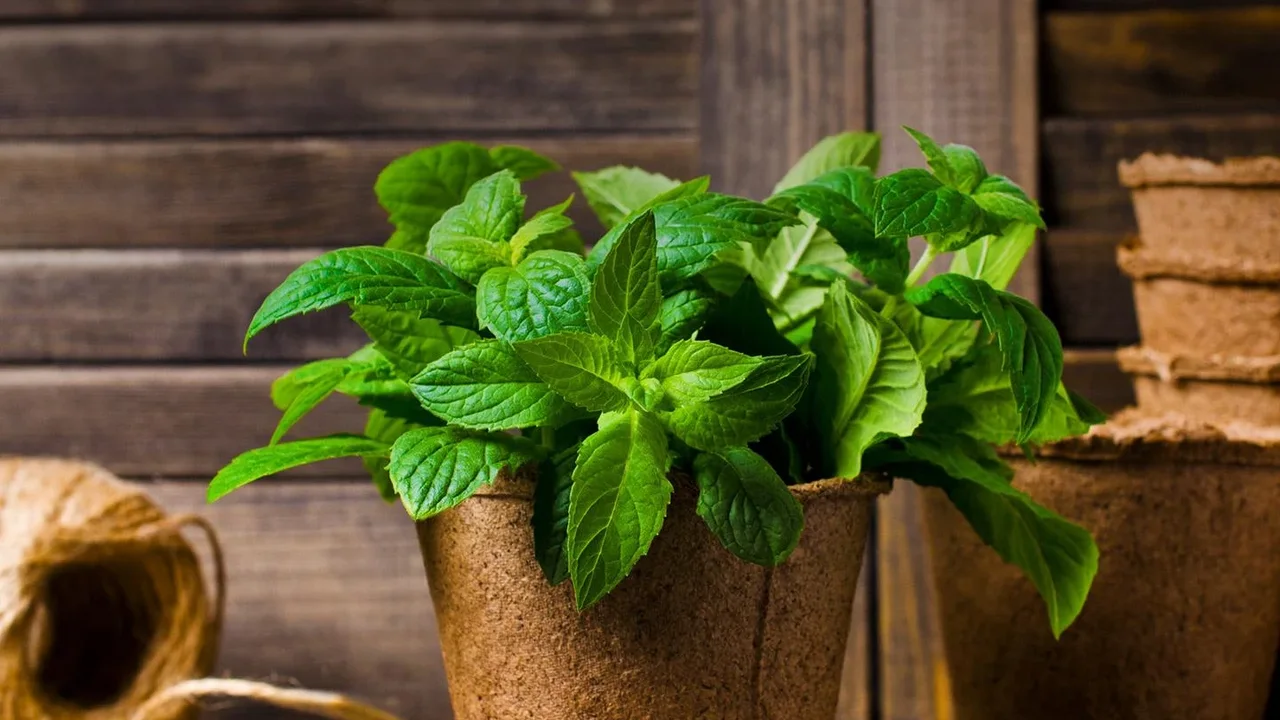
If you are new to gardening, mint (pudina) is the perfect plant to start with. It is famously resilient and forgiving, making it ideal for beginners. Mint is a fast-growing perennial herb that thrives in the Indian climate, tolerating a range of conditions from full sun to partial shade. In fact, during peak summer, a bit of afternoon shade is actually beneficial. Its aggressive growth, which can be a problem in a garden bed, becomes a major advantage in a pot. It quickly fills the container, giving you a lush, continuous harvest from a single plant. You don't need a large garden; a sunny windowsill or a small balcony is more than enough space to get started.
Your Simple Guide to Growing Mint
Getting started is incredibly easy and affordable. You can either buy seeds for as low as ₹59, or simply take a few healthy stems from a bunch of mint you have already bought. The easiest method is to use cuttings. Take a few 10-15 cm stems, strip the lower leaves, and place them in a glass of water. In about a week or two, you will see small white roots begin to form. Once rooted, plant them in a pot that is at least 10-12 inches wide to give the plant room to spread. Use a well-draining soil mix, ideally a combination of regular garden soil, compost, and cocopeat. Water your mint regularly to keep the soil moist but not waterlogged, especially during hot summer months.
The Economics of a Pudina Pot
Let's break down the costs. A ready-to-grow mint sapling might cost up to ₹350 from an online nursery, but you can find them for much less at a local one. Seeds are even cheaper. A basic pot and soil might set you back another couple of hundred rupees. Your total initial investment could be well under ₹500. Now, consider the alternative: buying a ₹15 bunch of mint every week or two. Over a year, that could amount to ₹400-₹800 spent on just one herb. Your homegrown mint plant, however, will provide a steady supply for months, if not years, with just basic care. It pays for itself within a few months and then continues to save you money, week after week.
More Than Just a Garnish
With an abundant supply of fresh mint, you will find yourself using it in more ways than you ever imagined. That potent, fresh flavour will elevate your everyday cooking. Blend it into a classic mint chutney, brew a refreshing mint tea, or muddle it into a cool summer lemonade. Sprinkle chopped leaves over fruit salads, raitas, and biryanis. Mint is a cornerstone of Indian cuisine, known for its cooling properties and digestive benefits in Ayurveda. Having it readily available encourages you to incorporate this healthy and flavourful herb into your daily diet, from mint poori to flavouring soups and vegetables.