



The Shifting Indian Plate
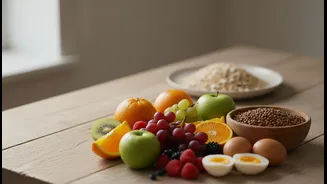
For generations, the Indian diet has been anchored by cereals like rice and wheat. But a significant transformation is underway. Across the country, households are spending less on grains and diversifying their plates. Data reveals a clear trend: while
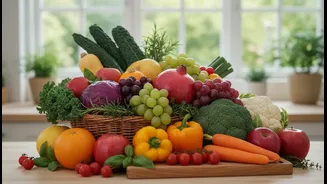
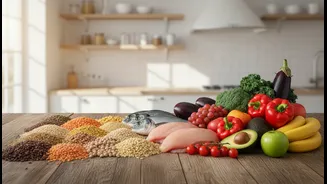
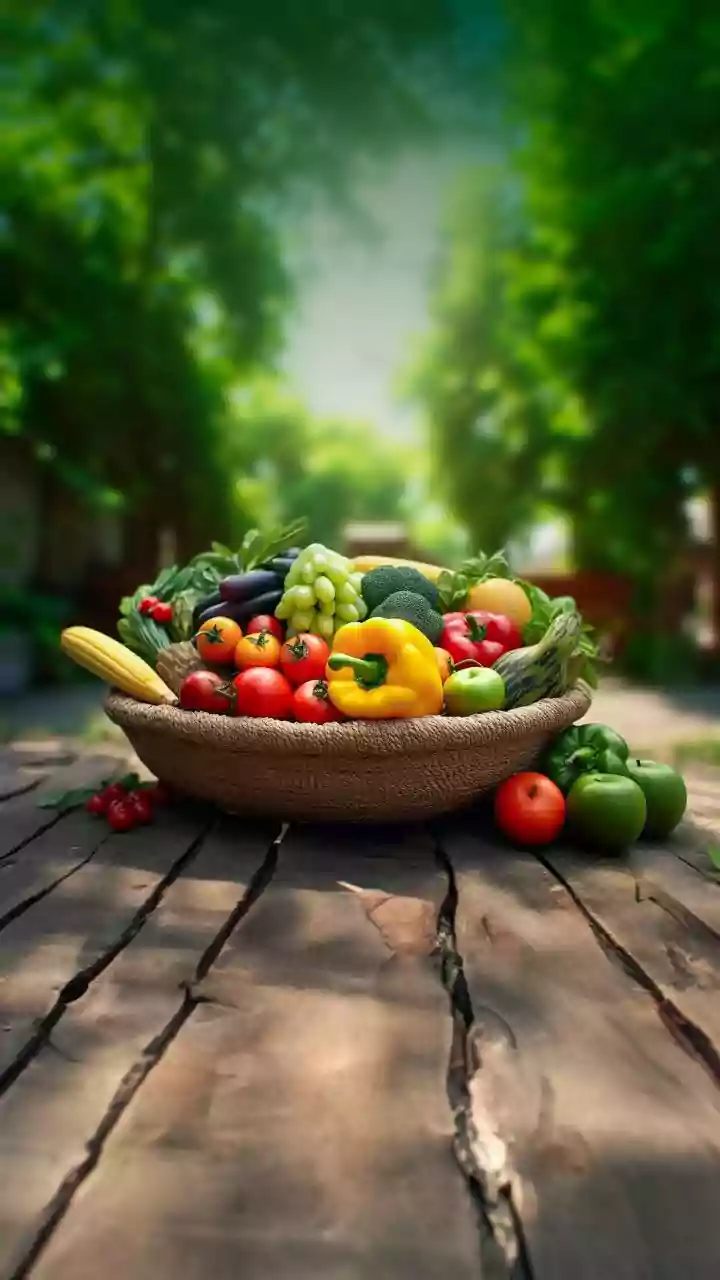
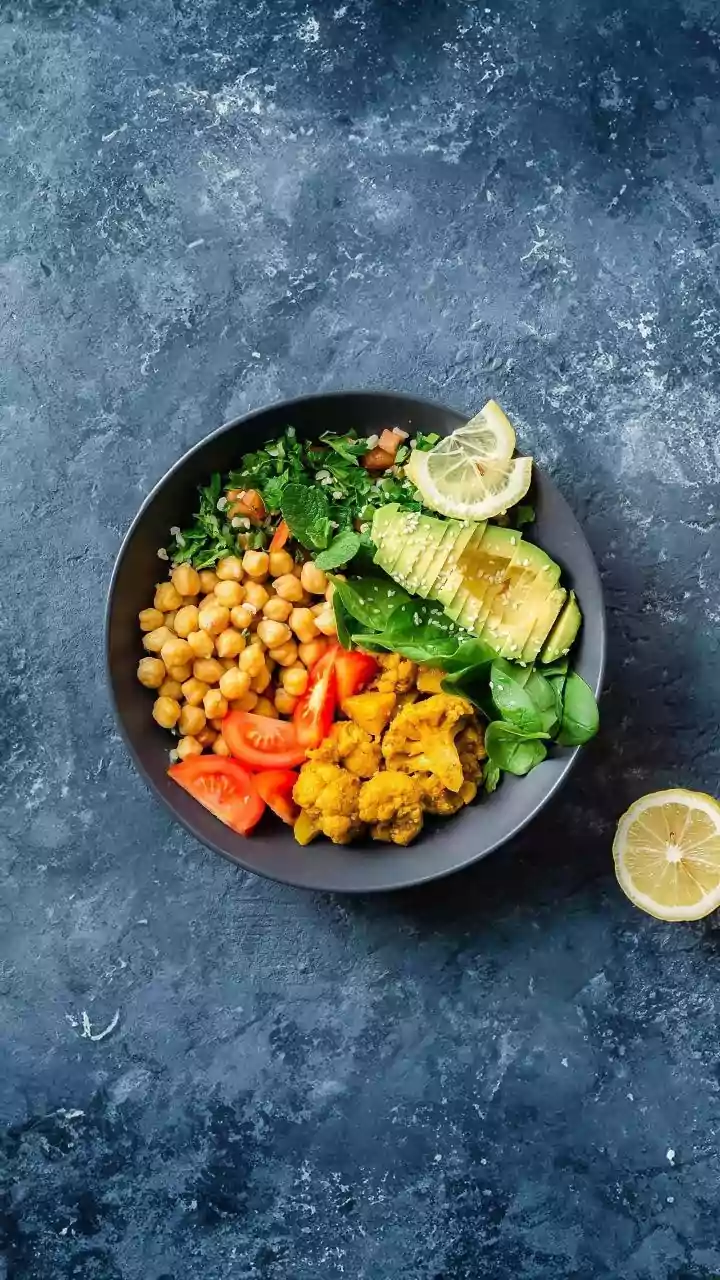
cereal consumption is declining, intake of milk, eggs, fruits, vegetables, and fish is rising. This isn't just an urban phenomenon; the change is happening across rural India as well. This dietary diversification points to a major evolution in what Indians choose to eat, driven by rising incomes, greater access to a variety of foods, and changing lifestyles. The share of household expenditure on cereals has dropped significantly, freeing up budgets for other food groups.
Drivers of Dietary Change
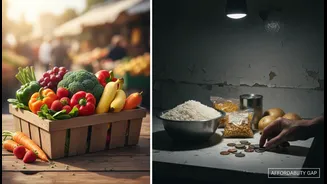
Several factors are stirring this change. Economic growth is a primary driver, allowing more families to afford a wider range of foods beyond basic staples. Urbanization also plays a critical role, exposing people to new cuisines and convenient food options. Improved infrastructure, from better roads to cold storage, means that fresh produce, dairy, and meats are more readily available across the country. Furthermore, there is a growing health consciousness, especially among younger consumers, who are actively seeking out nutrient-rich and high-protein options, from protein oats to cold-pressed oils. This quest for wellness, combined with the convenience demanded by faster-paced lives, is reshaping household grocery lists.
When Policy Lags Behind the Plate
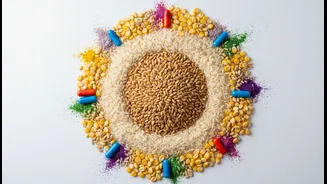
This new reality presents a challenge to India's long-standing nutrition policies, which have been historically focused on food security through cereals. The Public Distribution System (PDS), the world's largest food safety net, was designed to fight hunger by providing subsidised rice and wheat. While crucial for providing a calorie floor, its focus on grains is increasingly misaligned with the nutritional needs of a population that is diversifying its diet. Experts point out that policies like Minimum Support Prices (MSPs) also heavily favour cereal production, which can discourage the crop diversification needed to make pulses, millets, and vegetables more accessible and affordable. The system, designed to combat scarcity, now faces the complex task of promoting nutritional security in an era of changing tastes.
The Health Double-Edged Sword
The changing food basket offers both promise and peril for public health. On one hand, greater consumption of fruits, vegetables, and animal products can lead to better intake of essential proteins and micronutrients, helping to combat certain deficiencies. On the other hand, this transition is accompanied by a sharp rise in the consumption of ultra-processed foods (UPFs), which are often high in sugar, salt, and unhealthy fats. This shift is a major contributor to India's growing burden of non-communicable diseases (NCDs) like diabetes, obesity, and heart disease. India now faces a "double burden of malnutrition," where undernutrition coexists with overnutrition and diet-related chronic diseases, sometimes within the same community.
The Path to a Future-Ready Food Policy
To align with India's new dietary reality, experts suggest that nutrition policy must evolve. A key recommendation is to diversify the food basket offered through welfare schemes like the PDS. Incorporating millets, pulses, and other nutrient-dense foods could help address micronutrient deficiencies and support agricultural diversity. Public health campaigns are needed to raise awareness about the risks of ultra-processed foods and promote balanced diets. Strengthening supply chains for perishable goods like fruits and vegetables is also crucial to ensure they are affordable and accessible to all. Ultimately, the goal is to shift the policy focus from mere calorie sufficiency to comprehensive nutritional security, ensuring that as India's plate changes, it changes for the better.