

The Science of a Pan
Before diving into specific materials, it helps to know two key terms: heat conductivity and heat retention. Conductivity is how quickly a material heats up, while retention is how well it holds onto that heat. A pan with high conductivity, like copper,
heats up and cools down fast, giving you precise temperature control. A pan with high heat retention, like cast iron, takes longer to heat up but stays hot for a long time, providing steady, powerful heat. Neither is inherently better; their usefulness depends entirely on what you're cooking.
Cast Iron: The Heavyweight Champion of Heat
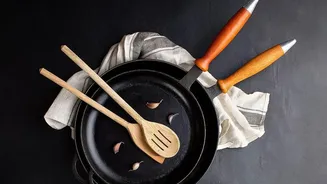
Cast iron has low conductivity but excellent heat retention. This means it heats slowly and can develop hot spots, but once it's hot, it stays hot. This property makes it the undisputed king of searing. That intense, sustained heat is what creates a deep, flavourful crust on a steak or a perfect crisp on cornbread. Enameled cast iron, like a Dutch oven, offers the same heat retention but with a non-reactive surface, making it ideal for slow-cooking stews and acidic dishes like tomato-based braises that could react with bare iron.
Stainless Steel: The Versatile Workhorse
On its own, stainless steel is a poor conductor of heat. This is why most quality stainless steel pans are “clad,” meaning they have a core of a more conductive metal like aluminum or copper sandwiched between layers of steel. This construction provides the best of both worlds: the quick, even heating of aluminum or copper and the durable, non-reactive surface of steel. Stainless steel is perfect for sautéing, developing fond (the browned bits at the bottom of the pan for sauces), and general-purpose cooking where you need responsiveness to temperature changes.
Copper: The Speedy Specialist
Copper boasts the highest heat conductivity of common cookware materials. It heats up almost instantly and, just as importantly, cools down the moment you take it off the heat. This incredible responsiveness makes it the top choice for professional chefs working with delicate sauces, caramel, or anything that requires pinpoint temperature accuracy. However, copper is expensive and highly reactive with acidic foods, which is why most copper pans are lined with a non-reactive metal like stainless steel. Its high maintenance and cost make it more of a specialist tool than an everyday pan for most home cooks.
Ceramic and Glass: The Gentle Bakers
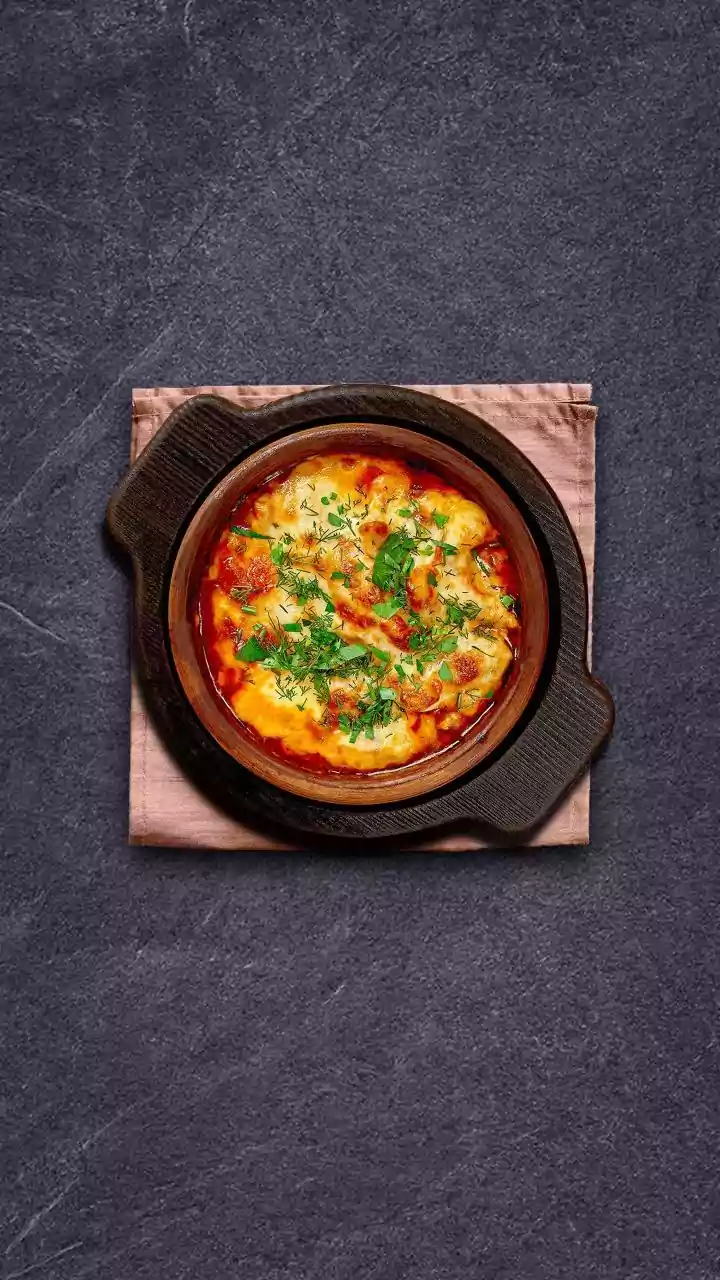
Ceramic, stoneware, and glass are all poor conductors of heat, which means they act more like insulators. They heat up slowly and gently, then radiate that heat evenly, making them perfect for baking. Think of casseroles, lasagnas, or pies where you want the filling to cook through without the bottom and sides burning. Glass allows you to see the browning as it happens, but food can sometimes stick, and it is susceptible to thermal shock (cracking from sudden temperature changes). Ceramic offers a more even bake and often a better presentation from oven to table, but you lose that visual cue.
Non-Stick: The Pan of Convenience
Most non-stick pans have an aluminum base, which makes them lightweight and quick to heat up. Their primary advantage is, of course, the slick surface that releases delicate foods like eggs and fish with ease. However, these coatings don't tolerate very high heat, which means they are not the right choice for getting a hard sear on meat. The non-stick surface prevents the kind of browning and crust formation you would get from cast iron or stainless steel. They excel at low-to-medium heat cooking where convenience and easy cleanup are the priorities.