







The New Stars of the Pantry
For years, the Indian pantry, especially in cities, has been dominated by a handful of staples: wheat, rice, and a predictable set of vegetables. But a quiet revolution is underway. Ingredients once dismissed as ‘village food’ or ‘poor man’s grain’ are
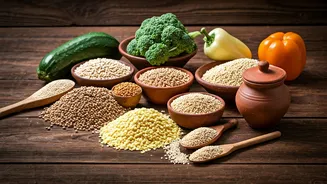
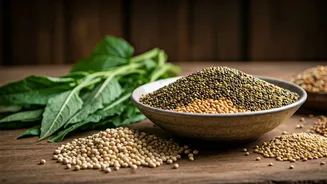
now being celebrated for their flavour, nutritional value, and cultural significance. We’re talking about millets like ragi, jowar, and bajra; foraged greens like bathua and pui shaak; and regional gems like Manipuri black rice and tart gondhoraj lemons. This isn’t about discovering something new, but rather, rediscovering what we always had. Chefs and home cooks are looking past processed, homogenous ingredients and turning to the immense biodiversity that has sustained communities across the subcontinent for centuries. This shift represents a powerful reclaiming of India's diverse agricultural and culinary identity.
Chefs as Cultural Champions
Much of the credit for this revival goes to a new generation of chefs who are acting as both cooks and storytellers. They are travelling to remote villages, sitting with home cooks, and documenting recipes that were on the verge of being forgotten. In cities like Mumbai, Bengaluru, and Delhi, restaurants are building entire menus around these once-neglected ingredients. Patrons are being introduced to the nutty taste of amaranth porridge, the earthy depth of a dish made with wild mushrooms from the Himalayas, or the tangy punch of a chutney made from foraged berries. By placing these foods in a modern, aspirational context, these chefs are not just creating delicious meals; they are challenging perceptions and making a powerful statement about what Indian food can be. They are proving that tradition and innovation can coexist beautifully on the same plate.
More Than Just Good Taste
The appeal of indigenous foods goes far beyond the palate. The UN’s declaration of 2023 as the 'International Year of Millets' has put a global spotlight on these climate-resilient ‘superfoods.’ Millets require significantly less water than rice and wheat, are naturally pest-resistant, and are packed with fibre, protein, and micronutrients. For a country grappling with water scarcity and a public health crisis linked to diabetes and lifestyle diseases, a return to millets is not just trendy, it’s a strategic necessity. Similarly, eating local and seasonal greens and vegetables reduces our carbon footprint, supports local farmers, and reintroduces vital nutrients into our diets that have been lost through industrial agriculture. This trend is a delicious intersection of personal wellness and planetary health.
The Risk of a Trendy Trap
However, with popularity comes peril. As these ingredients become ‘trendy,’ there is a real danger of appropriation and exploitation. When a high-end restaurant sells a small portion of ragi for a premium price, who truly benefits? Is the money flowing back to the small-scale farmer who grew it? There's a risk that as demand skyrockets, corporations will move in, prices will inflate, and the very communities that have been the custodians of these foods for generations will be priced out of their own heritage. The ‘trendiness’ can strip away the context, turning sacred ingredients into mere commodities. For this movement to be truly sustainable, the focus must be on creating equitable supply chains that empower producers and preserve the cultural stories attached to the food. Appreciation must not become appropriation.