







The Pinch of Persistent Inflation
The most significant factor influencing spending this year is the persistent pressure on household budgets. According to a survey by LocalCircles, overall festive spending by urban households is projected to see a 6% dip in 2026 compared to the previous
year. This decline is directly linked to rising prices. With retail inflation crossing 5.5% in September and food inflation even higher at over 7.7%, families have less discretionary income. A CVoter poll found that over 53% of households feel their financial situation is worse than a year ago, creating anxiety that dampens enthusiasm for big-ticket purchases. Even essentials feel more expensive, making shoppers think twice before splurging on non-essential festive goods, from new electronics to home décor. This economic reality means that a simple 10% or 20% discount is no longer enough to trigger a purchase; consumers need a compelling reason to part with their carefully guarded savings.
The Training Ground of Endless Sales
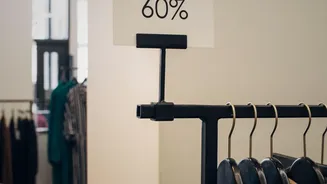
Indian shoppers have been conditioned by years of non-stop online sales. The once-special annual events like the Great Indian Festival and Big Billion Days have been supplemented by countless other promotions throughout the year. This has led to a phenomenon known as 'discount fatigue'. The constant barrage of '50% off' banners has diluted their power. Instead of creating urgency, it has taught consumers that if they just wait a little longer, an even better offer is likely around the corner. Psychologically, this is explained by 'hedonic adaptation'—the thrill of a deal diminishes with repetition. As a result, the original price of a product becomes almost irrelevant, and the discounted price is seen as the new normal, making anything less feel like an unfair markup.
The Rise of the Value-Conscious, Savvy Shopper
Today's urban shopper is not just price-sensitive; they are value-conscious. Armed with smartphones and price comparison tools, they can instantly check if a deal is genuinely the best available. This has shifted the focus from pure discounts to overall value, which includes product quality, brand trust, and convenience. According to market experts, while discounts get people to click, they don't necessarily build brand loyalty or a memorable experience. In fact, a recent Criteo study found that 76% of online shoppers now find the experience 'dull', viewing it more as a chore. This emotional disconnect means that a deep discount is required to overcome the lack of excitement and make the transaction worthwhile. Consumers are increasingly asking not just 'how cheap is it?' but 'is it worth it?'
Strategic Delays for Big-Ticket Items
The cautious sentiment is particularly evident in high-value categories. For instance, while clothing remains a popular festive purchase, items like jewellery and automobiles are seeing less interest. The cost of gold and silver jewellery has seen sharp inflation, making many reconsider what was once a traditional festive purchase. Similarly, smartphone prices are on the rise due to higher component costs, leading manufacturers to offer fewer deep discounts. This has prompted many buyers to delay upgrades. In response, brands are pivoting from straight discounts to affordability solutions like No-Cost EMIs, exchange offers, and bank-specific cashback deals. While these make purchases more accessible, the savvy shopper often still waits, calculating whether a future price drop might offer a better deal than a financing plan.