




Your Gut: A Bustling Inner Ecosystem
Imagine your gut not just as a part of your digestive system, but as a bustling city of trillions of microorganisms. This community of bacteria, viruses, and fungi is known as the gut microbiome. It's unique to every individual, like a fingerprint. This inner
ecosystem is vital; it helps digest food, produces essential vitamins, supports our immune system, and even influences our mood and metabolic health. For years, a 'healthy' gut was described by a single, uniform standard. However, this is changing as we learn that what is 'normal' or 'healthy' can vary dramatically across different populations.
The West-Sized Hole in Microbiome Research
A significant problem with much of the existing microbiome research is its lack of diversity. The vast majority of studies have focused on participants of European ancestry, living in Western countries and consuming a Western diet. This has created a skewed perspective, limiting our understanding of human microbial diversity as a whole. Recommendations for diet and health based on this narrow data set may not be effective, or could even be misguided, for people from other parts of the world, such as South Asia, where diets, genetics, and environments are vastly different. This gap highlights a critical need for more inclusive research to ensure that the benefits of scientific advancement in gut health are available to everyone.
Spotlight on the South Asian Gut
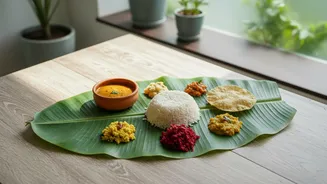
Recent research has begun to fill this crucial gap. Several studies, including a notable one named SAMBAR (South Asian MicroBiome ARray), have provided the first large-scale look into the gut microbiomes of diverse communities across India and Sri Lanka. These studies reveal a microbial landscape that is distinctly different from Western populations. The key finding is the prevalence of the bacteria genus Prevotella, which is strongly associated with the high-fibre, plant-based diets common in many parts of India. In contrast, Western guts are often dominated by Bacteroides, a genus linked to diets higher in animal protein and fat.
What Makes the Indian Gut Unique?
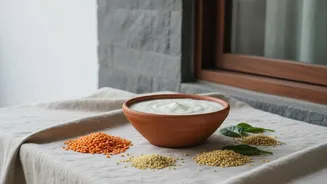
The differences are not just about one or two bacterial species. The Indian gut microbiome shows specific adaptations to local diets. For example, the prevalence of Prevotella is linked to its efficiency in breaking down complex carbohydrates and plant fibres. Furthermore, studies have identified unique microbial strains and even novel genes in the Indian population that weren't in previous global databases, adding 9% new genes to the reference catalogue. Researchers also found variations within India itself. Diets in North India, primarily plant-based, are associated with Prevotella, while the more omnivorous diets in South India show a mix that includes Bacteroides and Ruminococcus. Traditional diets rich in dairy and grains in some trans-Himalayan communities were associated with higher levels of Bifidobacterium, a well-known probiotic.
Health Implications and the Urban Shift
This new understanding has profound implications for health in India. As the country urbanizes, traditional diets are often replaced by more processed, Western-style foods. This dietary shift is mirrored in the gut microbiome. Studies show that with urbanization, the unique, fibre-loving Prevotella-dominant profile begins to fade, replaced by a microbial signature more common in the West. This transition is linked to a rising incidence of metabolic conditions like obesity, type 2 diabetes, and inflammatory bowel disease (IBD) among urban and migrant South Asian populations. Understanding the baseline of a healthy South Asian gut is the first step toward developing culturally relevant dietary advice and probiotics to help prevent these chronic diseases.