



The Showroom We're Leaving Behind
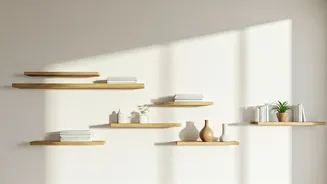
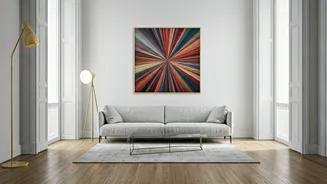
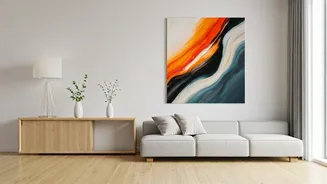
Remember when the ultimate goal for home interiors seemed to be a kind of untouchable perfection? We’re talking about the 'showroom' aesthetic: spaces dominated by cool greys, stark whites, and an almost complete lack of personal items. Designers note
that this minimalist style, while intended to feel open and clean, can often come across as cold, stiff, or even like a museum. Every surface is clear, every cushion is plumped, and there's no sign of the beautiful mess that is actual life. This look was heavily driven by catalogs and social media feeds that presented a uniform, trend-based ideal. The result was homes that felt staged rather than lived in, designed for a photograph more than for the people within them. There’s a growing feeling that this obsession with aesthetic perfection makes it difficult for a home to have a personality.
What Exactly Is a 'Lived-In' Space?
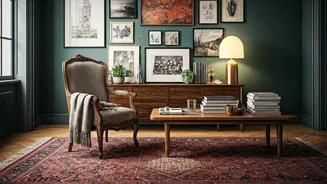
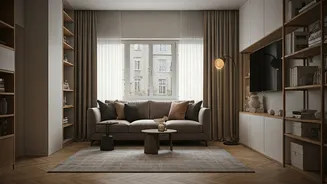
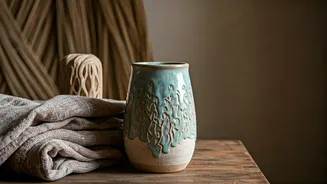
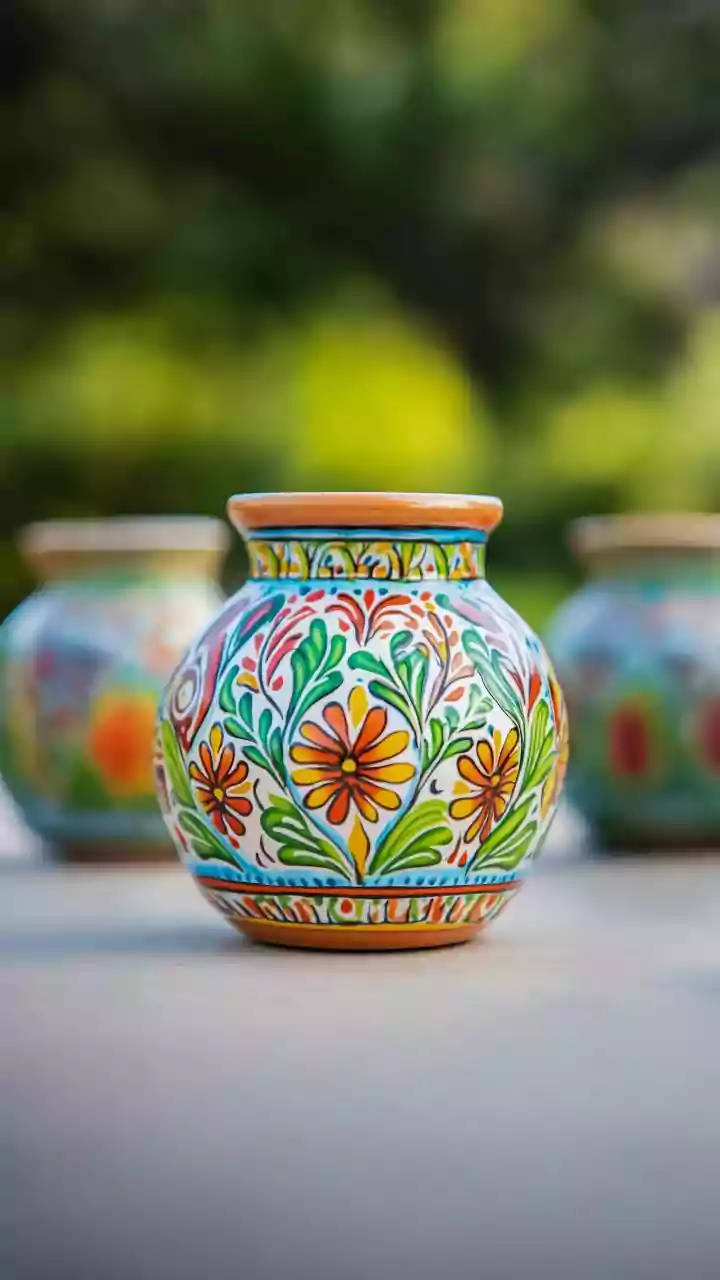
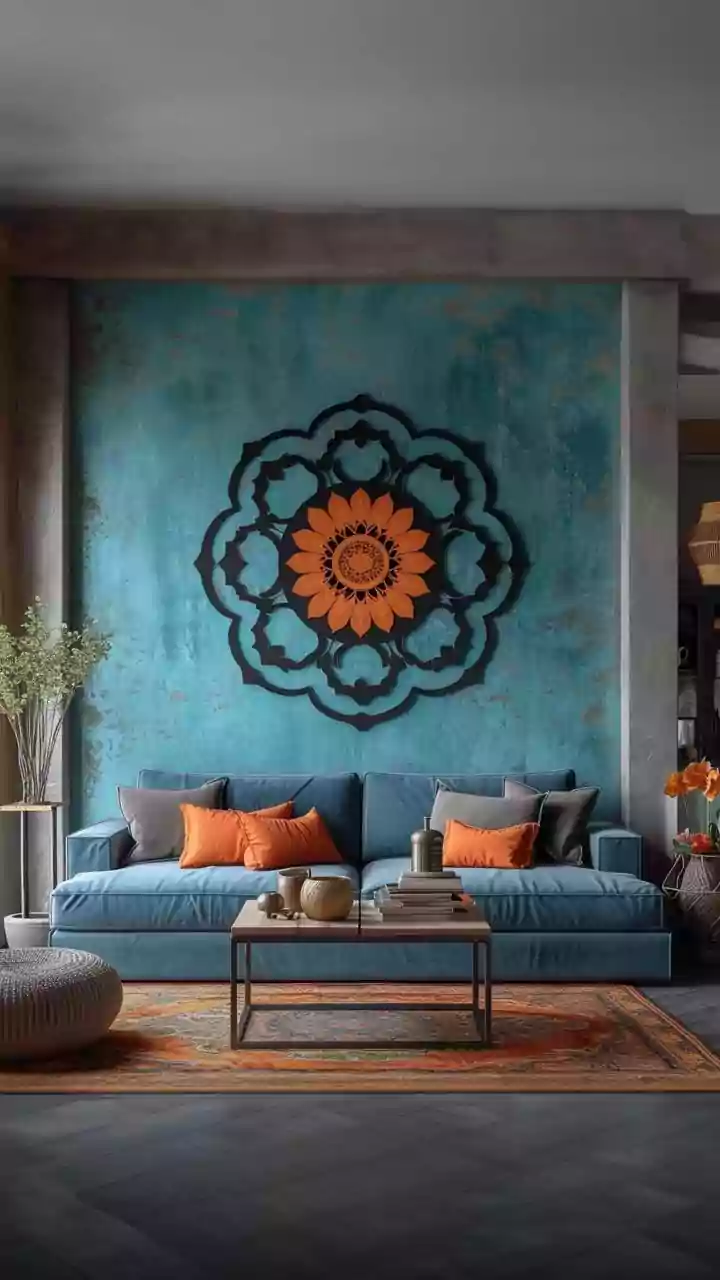
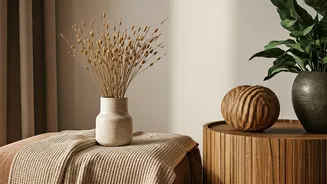
A lived-in space is the antithesis of the sterile showroom. It’s a home that reflects a life well-lived, where comfort, personality, and function are prioritized over perfection. Think less about what’s trending and more about what tells your story. It’s about displaying travel treasures, family heirlooms, and art you truly love. This style embraces a thoughtful collection of items gathered over time. Key elements include layered textures like soft wools, velvets, and natural rattan to add depth and warmth. Furniture might be a mix of old and new, combining a vintage table with modern chairs, for example, to create a look that feels more authentic and less ordered from a single catalog. It’s a space filled with books, plants, and personal photos that serve as conversation starters and reminders of happy experiences. The goal is to create a welcoming environment that feels like a personal sanctuary.
The Psychology of Comfort
The movement towards lived-in spaces is more than just an aesthetic choice; it’s a psychological one. After years of striving for unattainable perfection, many are now craving authenticity and comfort in their personal environments. Designers suggest that as people spent more time at home, the desire grew for spaces that feel supportive and reduce stress, rather than adding to it. A lived-in home gives you permission to be yourself. It's a space that doesn’t demand constant upkeep to look good, allowing you to relax and actually enjoy your surroundings. By surrounding ourselves with meaningful objects and comfortable furnishings, we create an environment that enhances our well-being. This shift reflects a broader cultural desire for longevity and meaning over fast-paced trends, focusing on creating a home that supports real life, not just how life looks on a screen.
Curated, Not Cluttered
A common fear when embracing this trend is that ‘lived-in’ will slide into ‘messy.’ However, the key distinction is intention. A lived-in space is curated, not cluttered. It’s about being thoughtful with what you display and how you organize. This means creating designated spots for your collections, like a gallery wall for art or grouping similar items on a shelf for visual interest. Good storage is your best friend here, allowing you to keep daily-use items tidy but accessible. Functionality is paramount; a space can't feel comfortable if it doesn't work for your daily routines. The idea is to find a happy medium where your personality shines through without creating chaos. It's about editing your possessions to showcase the things that bring you joy and have a story, rather than just accumulating stuff. The result is a home that feels both personal and peacefully organized.
Simple Ways to Get the Look
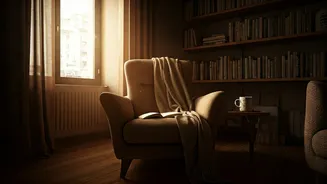
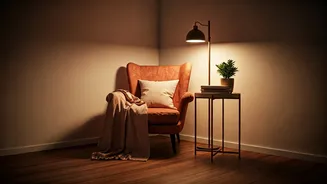
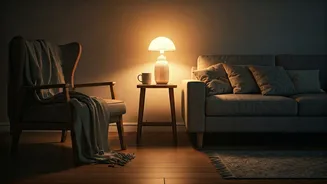
Making your home feel more lived-in doesn't require a complete overhaul. Start by layering cozy textures; add plush throws and pillows in fabrics like velvet or wool to your sofa. Display your books on shelves instead of hiding them away, and bring in plants or fresh flowers to add life and color. Mix materials by pairing wood with metal or glass. Don't be afraid to hang personal photos and artwork that mean something to you. One of the easiest ways to start is by creating small, cozy corners—a comfy armchair with a reading lamp, for instance—that invite relaxation. The most important rule is to trust your instincts and choose items that you genuinely love, not just what you think is in style.