






Mistake 1: You're Not Using Enough
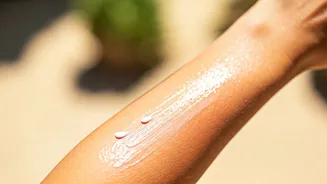
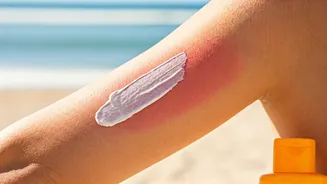
One of the most frequent mistakes is being too stingy with your sunscreen. To achieve the Sun Protection Factor (SPF) advertised on the bottle, you need to apply a surprisingly generous amount. Dermatologists recommend using about 30ml, or enough to fill
a shot glass, to cover your entire body. For the face and neck alone, the general guideline is about half a teaspoon. A popular technique is the “two-finger rule,” where you squeeze sunscreen along the length of your index and middle fingers to get the right amount for your face. Applying too little can drastically lower the actual SPF protection you receive, giving you a false sense of security.
Mistake 2: You Apply It Right Before Going Outside
Timing is everything. If you're using a chemical sunscreen, which works by absorbing UV rays, it needs time to bind to your skin to become effective. The advice from the American Academy of Dermatology is to apply sunscreen approximately 15 to 30 minutes before you step out into the sun. Applying it as you walk out the door means your skin is unprotected for that initial period of sun exposure, which is enough time to start sustaining sun damage. Mineral sunscreens, which create a physical barrier, are effective immediately, but applying any sunscreen ahead of time is a good habit to ensure you don't forget.
Mistake 3: You Forget to Reapply
Sunscreen is not a one-and-done application. Its protective power breaks down over time when exposed to sunlight. The golden rule is to reapply every two hours, regardless of the SPF number. A higher SPF doesn't mean it lasts longer; it means it provides a higher level of protection during that two-hour window. You need to reapply even more frequently—often every 40 to 80 minutes—if you've been swimming, sweating heavily, or have towel-dried your skin, as these actions can wash or wipe away your protection.
Mistake 4: You're Missing High-Risk Spots
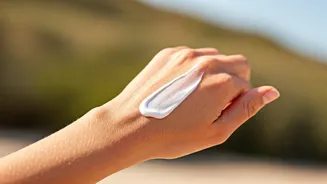
It's easy to focus on the face and arms and miss other crucial areas. Studies and dermatologists point out that people frequently neglect spots that are highly susceptible to sun damage. The most commonly missed areas include the ears (tops and behind), the back of the neck, the hairline or scalp parting, the tops of the feet, and the back of the hands. The thin, delicate skin around the eyes, including the eyelids, is also often skipped. Since UV rays can reflect off surfaces like sand and water, even areas you think are shaded, like under your chin, need coverage.
Mistake 5: You Think You're Safe on Cloudy Days
A cloudy sky is not a shield from the sun. Up to 80% of the sun's harmful UV rays can penetrate through clouds and fog, meaning you can still get a sunburn on an overcast day. Furthermore, UVA rays, which are responsible for premature ageing, can pass through glass, so you are still exposed when sitting near a window at home, in the office, or in a car. For this reason, dermatologists recommend making sunscreen a part of your daily routine, regardless of the weather or whether you plan to be indoors or outdoors.
Mistake 6: You're Using an Expired Bottle
That bottle of sunscreen from last year's holiday might not be effective anymore. The active ingredients in sunscreen degrade over time, making the product less able to protect you from UV damage. The US Food and Drug Administration (FDA) requires sunscreens to maintain their strength for at least three years, and most products have an expiration date printed on the bottle. If there's no date, it's a good practice to write the month and year of purchase on it. Besides reduced effectiveness, expired sunscreen can also change in texture or smell and may even harbor bacteria, which could irritate your skin.