




The Great Digital Bridge
The foundational shift is technology. Affordable smartphones and some of the world's cheapest data plans have brought hundreds of millions of Indians online, with a huge portion of this growth coming from outside the major metropolitan areas. This digital
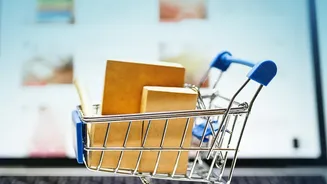
revolution has effectively bridged the gap between aspiration and access. Previously, consumers in cities like Lucknow, Jaipur, or Coimbatore might have seen the latest beauty trends on social media but had no local stores to purchase them from. E-commerce platforms and D2C brands have demolished this barrier, placing a national, and even international, inventory at their fingertips. Two in every three beauty-related searches on a major platform like Flipkart now originate from non-metro markets, signaling a fundamental decentralization of demand.
Aspirations Meet Accessibility
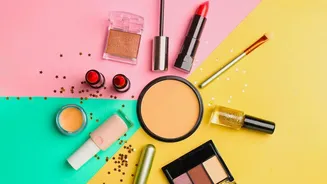
Social media has become the great equalizer of aspiration. An influencer in a Tier 3 town has access to the same global trends as someone in Mumbai. This has cultivated a new, informed, and trend-conscious consumer who is eager to experiment. They are moving beyond basic care and showing a strong appetite for premium and specialized products, from science-backed skincare to sophisticated men's grooming lines. The growth in premium beauty is now largely coming from non-metro cities. Consumers are embracing a 'premiumization within a budget' mindset, seeking higher quality products with transparent ingredients like niacinamide or hyaluronic acid, but at accessible price points.
The Power of the Vernacular Voice
For this new wave of consumers, English is often not their first language. Brands are quickly learning that connection is built on cultural and linguistic familiarity. Successful companies are not just translating their websites; they are creating entire experiences in regional languages, from marketing content to customer support. This move is fueled by trust, as a majority of Indian users feel more comfortable and place more faith in content presented in their native tongue. This has also powered the rise of regional influencers, whose local dialect and cultural context create a more authentic and persuasive connection with their audience than a celebrity endorsement might.
New Models for a New Market
The non-metro boom is not just about big marketplaces like Amazon and Flipkart; it's also about the explosion of D2C brands. These agile, digital-native companies bypass traditional distributors and build direct relationships with customers, allowing them to gather feedback and respond to specific needs quickly. Many D2C brands have found fertile ground in Tier 2 and 3 cities by focusing on specific concerns, such as solutions for Indian skin and hair types or clean, Ayurvedic-inspired formulations. Furthermore, the rise of 'social commerce'—discovering and purchasing products directly through platforms like Instagram and WhatsApp—has made the path from discovery to purchase almost seamless.
Logistics and Localisation Are Key
Winning in this new landscape requires more than just a digital presence; it demands a sophisticated operational strategy. Demand in smaller cities is often scattered and less predictable than in metros. Brands that succeed are those that invest in robust logistics to ensure reliable, speedy delivery and easy returns, which are crucial for building trust. It also means localizing inventory—understanding that beauty needs can be hyperlocal, influenced by factors like climate and water quality in a specific region. This operational excellence, focused on availability and reliability, often matters more than deep discounts in building long-term loyalty.