



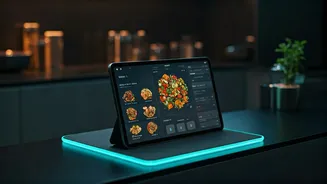




Beyond the Buzzword: What is a Smart Kitchen?
When you hear 'smart kitchen', you might picture a voice-activated coffee maker at home. In the commercial world, however, it's a far more powerful concept. A commercial smart kitchen is an environment where appliances and systems are connected via the internet
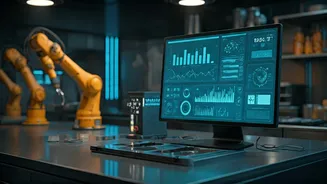
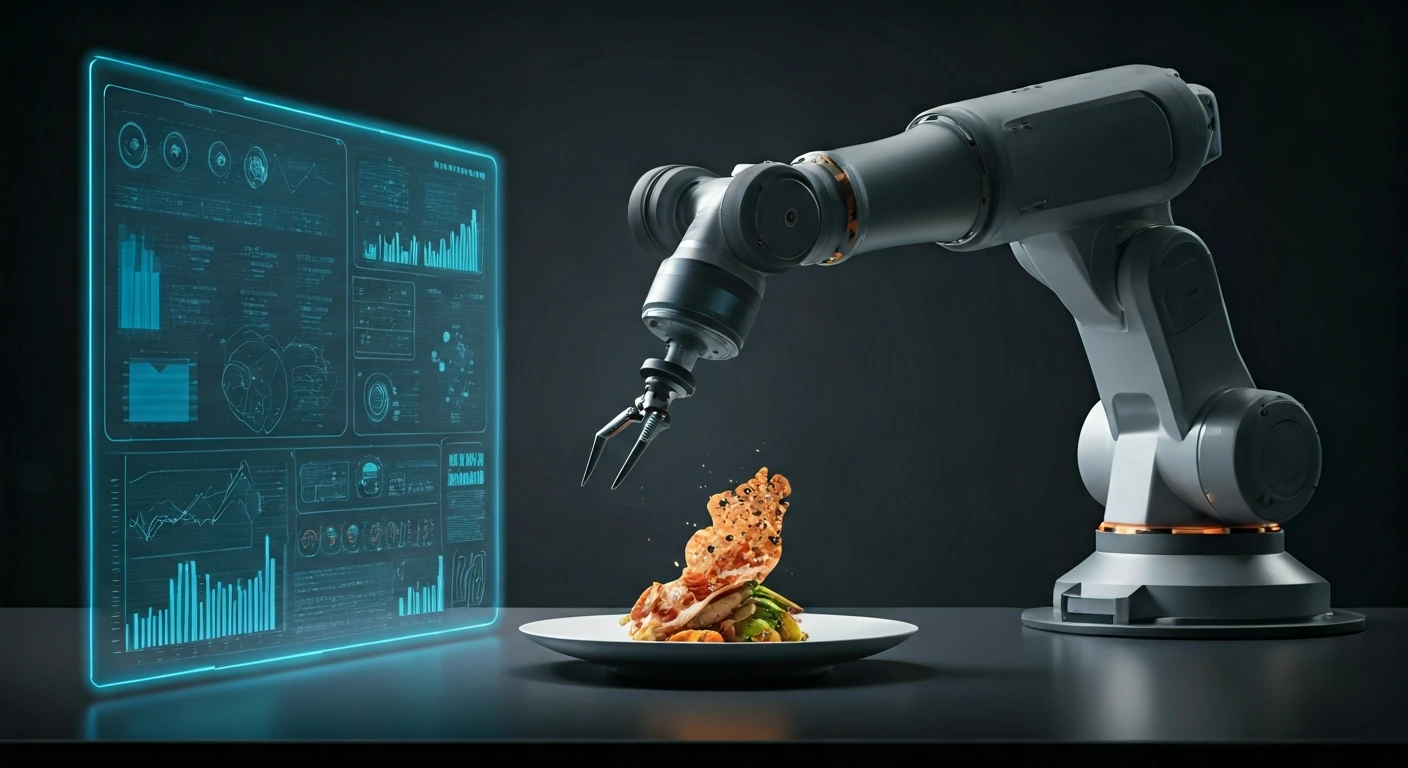
(the Internet of Things, or IoT), collecting data and automating tasks to boost efficiency and consistency. Think less about novelty and more about a highly organised, data-driven operation. These kitchens use a suite of technologies—from AI-powered software to robotic arms—to streamline everything from cooking and inventory management to food safety monitoring. The goal isn't to remove the human element, but to empower chefs and staff by automating repetitive, time-consuming tasks, allowing them to focus on creativity and customer service.
The Scaling Problem: Consistency is King
For a small food brand, consistency is everything. A customer who loves your signature dish in one city expects the exact same taste and quality in a new branch hundreds of miles away. As small chains expand, this becomes their biggest hurdle. A recipe cooked by one chef can taste slightly different from another's. Manual inventory management can lead to one outlet running out of a key ingredient while another has too much. This operational friction is what often prevents promising local brands from successfully scaling. Smart technology directly addresses this core challenge. By automating processes, it ensures that a dish is prepared the same way every time, no matter which location it's in.
The Tech That Powers Growth
Several key technologies form the backbone of a smart kitchen. AI-powered ovens and cookers can automatically adjust temperature and humidity to ensure perfect, consistent results every time, reducing both human error and food waste. Automated inventory systems use data analytics to track ingredient usage in real-time, analyze sales patterns, and even predict future demand based on factors like local holidays. This prevents over-ordering and spoilage, directly impacting the bottom line. Kitchen Display Systems (KDS) replace paper tickets, routing orders from the front-of-house directly to the correct station, which streamlines communication and reduces mistakes. Furthermore, IoT sensors constantly monitor equipment for things like temperature and performance, enabling predictive maintenance that prevents costly breakdowns during peak hours.
The Business Case: Efficiency and Savings
Implementing this technology isn't just about making a better burger; it's about building a more profitable and scalable business. Automation leads to significant reductions in food waste, as precise cooking and better inventory management cut down on spoilage and mistakes. It also helps manage labour costs. With technology handling repetitive tasks, smaller crews can operate more efficiently, a crucial advantage during labour shortages. Energy efficiency is another major benefit. Smart appliances can optimize power usage, shutting down when not needed or running in lower-power modes, which reduces utility bills. Together, these savings help offset the initial investment and improve profit margins, which is essential for funding further expansion.
Navigating the Hurdles
Adopting smart kitchen technology is not without its challenges. The primary barrier for small chains is the high initial cost. Smart appliances and software systems represent a significant upfront investment. There are also concerns about compatibility, as devices from different manufacturers may not work seamlessly together. Data security is another consideration, as internet-connected devices can be vulnerable to breaches if not properly secured. Finally, there's the human factor. Staff needs to be properly trained to use the new systems, and some may be resistant to change. However, as the technology becomes more mainstream and affordable, these hurdles are becoming easier to overcome.
A New Era for Indian Food Brands
In India's booming food service market, smart kitchens could be a democratizing force. The technology allows smaller, local chains to establish the kind of operational efficiency and brand consistency that was once the exclusive domain of large, multinational corporations. By leveraging data analytics for menu optimization and understanding local consumption patterns, Indian brands can make smarter decisions to drive sales. As consumers become more tech-savvy and demand convenience, a kitchen that can efficiently handle online orders and delivery is no longer a luxury, but a necessity. The rise of cloud kitchens, which are often built around a tech-first model, is a testament to this shift.