


How Are They Made?
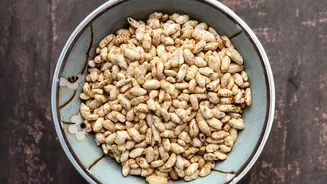
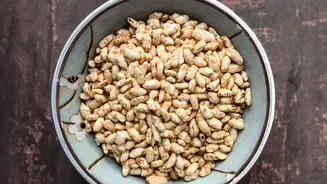
Both snacks get their 'puff' from heat and pressure, which causes the starch and water inside the grain to expand and pop. Puffed rice is often made by heating rice kernels under high pressure with steam, a process known as gun puffing. It can also be
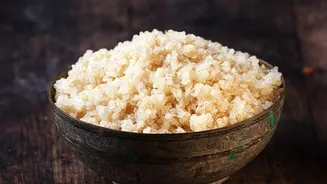
made by frying pre-cooked and dried rice in hot oil or hot salt. Puffed quinoa is made similarly, by heating the tiny quinoa seeds in a hot, dry pan until they pop like miniature popcorn. This process can be done without any oil, making it a simple, dry-heat method.
The Nutritional Showdown
When you put them head-to-head, the nutritional gap becomes clear. Quinoa puffs are significantly more nutrient-dense. A 100g serving of quinoa puffs can contain around 14g of protein and 7g of fiber. In contrast, 100g of plain puffed rice cereal contains roughly 7g of protein and only about 1.4g of fiber. Puffed rice is primarily carbohydrates, offering quick energy but little else. Quinoa also brings more to the table in terms of minerals like magnesium and iron. For those counting calories, puffed rice is the lighter option, with a cup containing about 56 calories compared to a higher count for the same volume of denser quinoa puffs.
The Protein and Fibre Advantage
The key differentiator is quinoa's status as a complete protein, meaning it contains all nine essential amino acids your body needs. This is rare for a plant-based food. That protein, combined with a higher fiber content, is a winning formula for satiety—the feeling of being full and satisfied. The fiber and protein in quinoa puffs help slow down digestion, preventing the rapid blood sugar spikes and subsequent crashes often associated with high-carb, low-fiber snacks like puffed rice. This makes quinoa puffs a more robust snack for appetite control and sustained energy.
Glycemic Index: The Energy Factor
The glycemic index (GI) measures how quickly a food raises blood sugar levels. Puffed rice has a high GI, often cited as 82 or higher, meaning it provides a quick burst of energy but can lead to a crash. Cooked quinoa, by comparison, has a much lower GI, typically around 53. This is due to its protein and fiber, which act as a barrier, slowing the conversion of starch to sugar. While the puffing process can alter the GI of any grain, quinoa generally maintains a more favorable profile, leading to a gentler, more sustained energy release compared to the sharp spike from puffed rice.
Taste, Texture, and Versatility
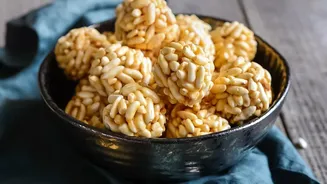
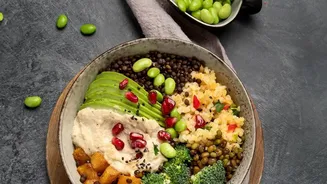
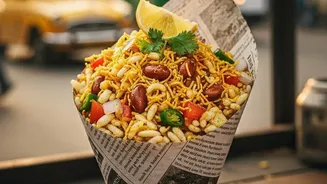
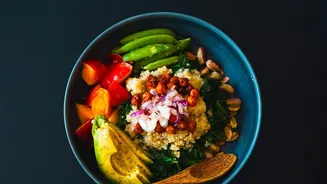
Puffed rice has a very neutral, mild flavour, making it an excellent carrier for other tastes, whether in a savoury 'bhel puri' or a sweet marshmallow treat. Its texture is light and famously crispy, though it can become soggy relatively quickly when mixed with wet ingredients. Puffed quinoa has a nuttier, more distinct flavour and a heartier, more durable crunch that holds up better in things like granola, yogurt toppings, or energy bars. Its smaller size and robust texture make it a versatile inclusion for adding a nutritious crunch to a wide variety of dishes, from salads to chocolate barks.
The Bottom Line: Which Should You Choose?
The choice between puffed quinoa and puffed rice ultimately depends on your goals. If you are looking for a very low-calorie, low-fat, and easily digestible snack base for quick energy or as a light filler, puffed rice is a suitable option. It's a blank canvas that's often more affordable and widely available. However, if your focus is on nutrition, satiety, and sustained energy, puffed quinoa is the clear winner. Its superior protein, fiber, and mineral content make it a more functional food that actively contributes to your daily nutrient intake, keeps you fuller for longer, and helps manage blood sugar levels more effectively.