





Understanding the Temperature Danger Zone
The most critical concept in food safety is the 'temperature danger zone'. This is the temperature range between 4°C and 60°C where bacteria can grow most rapidly, sometimes doubling in number in as little as 20 minutes. Perishable foods—think cooked
curries, dairy products, and cut fruits—should not be left in this zone for more than two hours. If the ambient temperature is high, for instance above 32°C which is common during Indian summers, this window shrinks to just one hour. Any perishable food that has been in the danger zone for longer than these recommended times should be discarded to avoid the risk of foodborne illness. Keeping cold foods cold (below 4°C) and hot foods hot (above 60°C) is the fundamental rule of food safety on the go.
Choose Travel-Friendly Foods
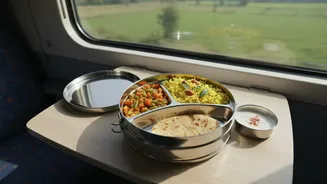
The first step to safe travel food is choosing the right menu. Opt for items that are naturally less prone to spoilage. Dry and semi-dry foods are excellent choices because their low moisture content inhibits bacterial growth. Think theplas, parathas, puri, dry sabzis, and fried rice. Whole fruits that you can peel, such as bananas and oranges, are safer than pre-cut fruits. Hard cheeses, nuts, seeds, granola bars, and roasted snacks are also great, energy-dense options that don't require refrigeration. Avoid packing foods with high moisture content like creamy gravies, raita, or dishes made with eggs and seafood unless you have reliable cooling methods. These are considered high-risk 'Time/Temperature Control for Safety' (TCS) foods.
Pack for Safety and Hygiene
How you pack is just as important as what you pack. Always use clean, airtight, and leak-proof containers to prevent cross-contamination and spills. If you are carrying perishable items, an insulated cooler with ice packs is essential. A full cooler stays colder longer than a partially filled one, so pack it generously. It's a good practice to pack drinks in a separate cooler or bag, as it will likely be opened more frequently, causing the temperature inside to rise. A crucial rule is to keep raw foods and cooked foods separate to prevent the transfer of harmful bacteria. Meats, even if frozen, should be sealed securely and placed at the bottom of the cooler to prevent any juices from leaking onto other items.
Practice Clean Handling on the Move
Maintaining hygiene during the journey is non-negotiable. Your hands are the primary vehicle for transferring germs. Always wash your hands with soap and water for at least 20 seconds before handling or eating food. If soap and water aren't available, use an alcohol-based hand sanitiser with at least 60% alcohol content. Use clean utensils and avoid touching your face while eating. When you pack, ensure all fruits and vegetables are washed thoroughly under running water, even those with rinds you don't eat, like melons, as a knife can transfer bacteria from the surface to the flesh inside. Be cautious with leftovers; unless they can be refrigerated promptly, it is often safer to discard them, especially if they have been sitting out for more than two hours.