








Beyond the Bargain Bin
While affordability is still a factor for a generation facing economic headwinds, value is no longer defined solely by price. For Gen Z, born between the mid-1990s and early 2010s, a brand's worth is increasingly measured by its ability to offer something
more than just a product. They are looking for immersive experiences, authentic connections, and a sense of being understood. This translates into a demand for personalization, where the shopping journey feels tailored to their individual tastes. Research shows that nearly a third of Gen Z shoppers are significantly more likely to make a purchase when they receive an offer that feels personal. The transaction itself has become secondary to the overall experience, which they expect to be engaging and memorable.
The 'Why' Behind the Want
Several factors are driving this shift. As true digital natives, Gen Z's expectations are shaped by the hyper-personalized worlds of social media feeds and streaming platforms. They expect the same level of unique tailoring from retailers. The rise of social commerce on platforms like TikTok has also transformed shopping into a form of entertainment and self-expression. They discover products through creators they trust and value explainer-style content that demonstrates how a product fits into a real person's life. This generation uses fashion and brands as a tool to shape and project their identity, with many feeling more authentic online than off. Furthermore, there is a growing interest in sustainability and conscious consumption. Many younger consumers prefer to buy fewer, better items that truly reflect their style—a goal that personalized styling helps them achieve.
What 'Styling' Really Means in 2026
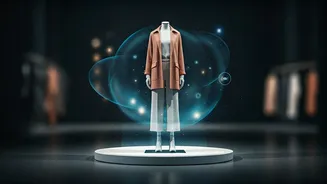
When Gen Z talks about styling, they aren't necessarily referring to a personal shopper in a luxury boutique. Instead, 'styling' has been redefined by technology. It now encompasses a range of digital tools that help them discover and curate their personal look. Artificial intelligence (AI) is at the forefront of this trend. Brands are using AI to provide personalized recommendations based on browsing history, create AI-driven styling experiences, and even generate new outfit ideas. Gen Z consumers are actively using generative AI tools like ChatGPT as personal stylists, uploading photos and receiving a curated shopping list of where to buy the items. This goes beyond simple recommendations; it's about co-creation and using technology to explore and affirm their identity.
The New Rules of Brand Loyalty
For retailers, this trend fundamentally changes the calculus of customer loyalty. Gen Z's allegiance isn't easily won with a loyalty card or a 20% off coupon. Their loyalty is conditional and must be earned through consistent, meaningful engagement. They are more willing to switch brands to find one that aligns with their values and offers better value, which includes the overall experience. Trust is paramount and is built through transparency, ethical practices, and a sense that the brand genuinely cares about them as an individual. Brands that demonstrate a commitment to social causes, inclusivity, and authenticity are more likely to build the lasting relationships that translate into long-term loyalty. In this new landscape, relevance is rewarded over mere recognition.