



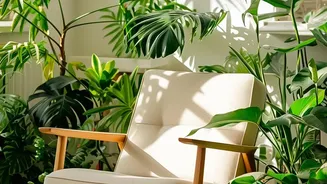
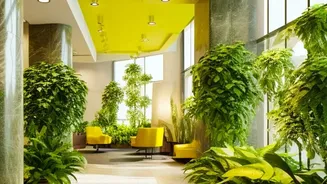
Why Go Green This Monsoon?
The Indian monsoon brings much-needed relief from the summer heat, but it also means overcast days and high humidity. This combination can be challenging for many houseplants. Low light can slow their growth, while excess moisture in the air and soil
can lead to problems like root rot and fungal infections. That's where choosing the right plant becomes crucial. Low-light, low-maintenance plants are perfectly adapted to these conditions. They not only survive but often thrive, bringing a touch of nature's serenity indoors when you need it most. Adding greenery can purify the air, boost your mood on a gloomy day, and make your home feel like a lush sanctuary.
The Snake Plant
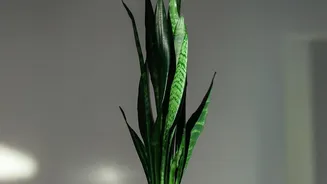
Often called the most indestructible houseplant, the Snake Plant (Sansevieria) is a perfect choice for beginners and busy individuals. Its striking, sword-like leaves add a modern, architectural element to any room. It's famous for its ability to tolerate extremely low light, although it grows best in bright, indirect sunlight. During the monsoon, its water needs are even lower than usual. The high humidity means you should water it even less frequently—perhaps only once every three to four weeks. Always let the soil dry out completely between waterings to prevent root rot, which is its biggest enemy.
The ZZ Plant
If you have a corner that feels too dim for any other plant, the ZZ Plant (Zamioculcas zamiifolia) is your answer. With its glossy, dark green leaves, it looks stylish and is nearly impossible to kill. The ZZ Plant is a succulent and stores water in its underground rhizomes, making it incredibly drought-tolerant. This is a huge advantage during the humid monsoon season. You should only water it when the soil is completely dry, which could be as infrequent as once every 2-3 weeks or even less in low light conditions. It is perfectly happy in low-light environments found in many Indian apartments and offices.
The Money Plant (Pothos)
A staple in Indian homes, the Money Plant (Epipremnum aureum or Pothos) is beloved for its fast-growing, trailing vines and the good luck it’s believed to bring. It is remarkably adaptable and can thrive in a range of lighting conditions, from low, indirect light to brighter spots (but not direct sun). During the monsoon, its watering needs decrease. The key is to check the soil; water only when the top inch or two feels dry to the touch. Its forgiving nature makes it an excellent choice for those just starting their plant journey.
The Spider Plant
The Spider Plant (Chlorophytum comosum) is another resilient option that is easy to care for and great for purifying indoor air. Its arching leaves and the little “pups” or plantlets that dangle from the mother plant make it a cheerful addition, especially in hanging baskets. It prefers bright, indirect light but can adapt to lower light levels. Like other plants on this list, it’s best to let the soil dry out a bit between waterings. Its ability to tolerate infrequent watering makes it well-suited to the damp monsoon months when overwatering is a common problem.
The Chinese Evergreen (Aglaonema)
Known for its beautiful variegated leaves, the Chinese Evergreen (Aglaonema) is a star performer in low-light conditions. In fact, the greener varieties are exceptionally tolerant of shade, while the more colourful ones prefer a bit more indirect light to maintain their vibrancy. This plant is a great choice for monsoon as it thrives in the high humidity. However, be careful not to overwater. Allow the top 1-2 inches of soil to dry out before watering again. Its lush foliage can bring a tropical feel to even the darkest corners of your home.