




Why Humidity Makes Workouts Harder
During the monsoon, the air is often saturated with moisture. Normally, your body cools itself when sweat evaporates from your skin. But when humidity is high, usually above 60%, the air can't absorb much more moisture. This means your sweat doesn't evaporate efficiently,
and it just drips off you without providing much of a cooling effect. In response, your body's core temperature can rise, and it tries to compensate by producing even more sweat. This vicious cycle is why a workout inside a gym, even if it's air-conditioned, can feel more exhausting and leave you feeling more drained than usual. Your heart rate climbs and the effort feels much harder for the same amount of work.
The Science of Sweat and Electrolytes
Sweat isn't just water; it's a mix of water and vital minerals known as electrolytes. These include sodium, potassium, magnesium, and calcium. Electrolytes are crucial for many bodily functions, such as maintaining proper fluid balance, enabling nerve impulses, and facilitating muscle contractions. Every time you sweat, you lose these minerals. In the high-humidity environment of the monsoon, where you're sweating more profusely to try and stay cool, the rate of electrolyte loss is accelerated. This depletion is what contributes significantly to that feeling of fatigue and can impact your performance and recovery.
Signs of an Electrolyte Imbalance
Losing too many electrolytes without replacing them can lead to several noticeable symptoms. The most common signs during or after a workout include unusual fatigue, muscle cramps, weakness, and headaches. You might also experience dizziness or nausea. These symptoms are your body's way of telling you that its mineral balance is off and that it needs replenishment. Ignoring these signs can not only hinder your fitness progress but also pose health risks. It's important to listen to your body, especially when training in challenging conditions like high humidity.
Replenish with Indian Kitchen Staples
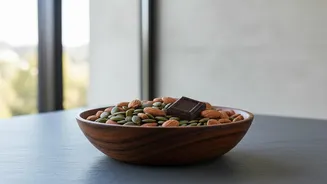
You don't need expensive sports drinks to restore your electrolyte balance. The Indian kitchen is already well-equipped with natural, effective options. Coconut water is one of the best natural electrolyte drinks, rich in potassium, sodium, and magnesium. Bananas are a fantastic source of potassium, which helps prevent muscle cramps. A simple glass of buttermilk (chaas) with a pinch of rock salt can effectively replenish sodium. Other excellent choices include yogurt (dahi) for calcium and potassium, oranges for potassium, and leafy greens like spinach, which are packed with magnesium. Incorporating these foods into your post-workout meal can make a significant difference.
Smart Hydration and Workout Tips
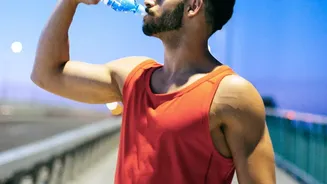
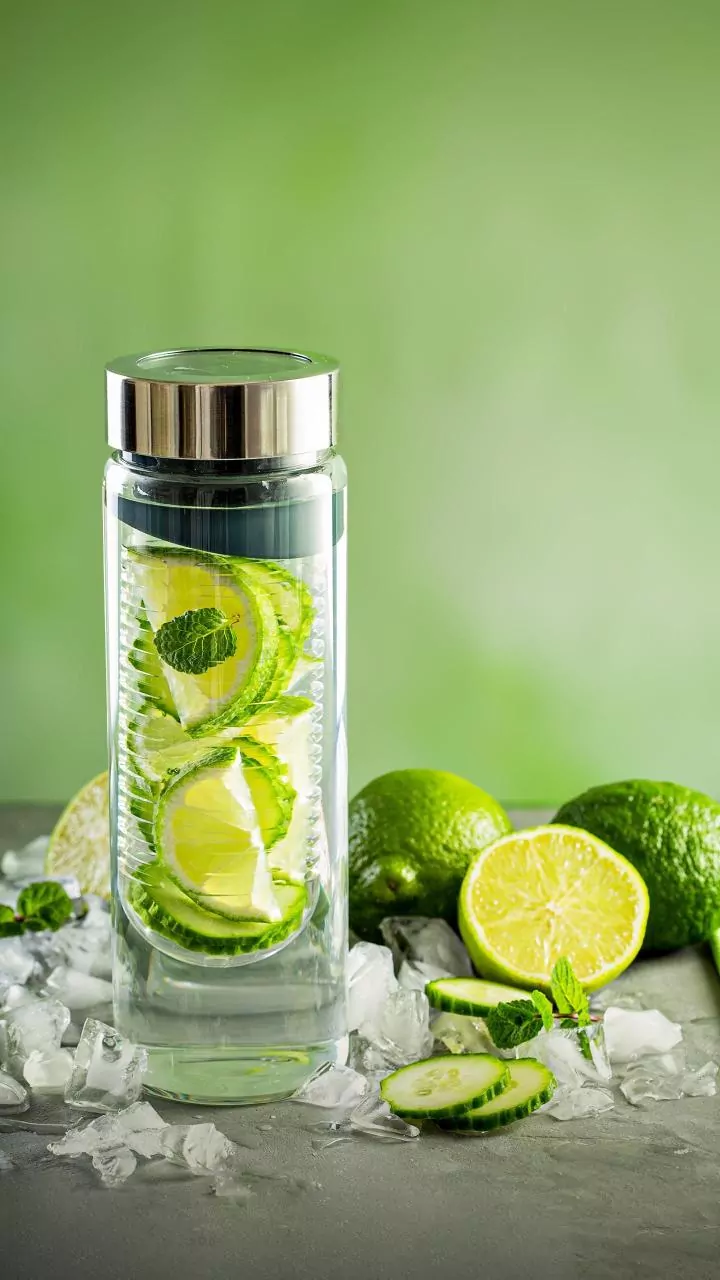
To combat the effects of monsoon humidity, adjust your hydration strategy. Don't wait until you're thirsty; sip water consistently throughout the day and before your workout begins. During an intense, sweaty session that lasts over an hour, consider adding electrolytes to your water. A pinch of salt and a squeeze of lemon in your water bottle can do the trick. Post-workout, focus on rehydrating with electrolyte-rich options like coconut water or a banana smoothie. Additionally, wear light, moisture-wicking clothing to help your skin breathe. It might also be wise to slightly reduce the intensity or duration of your workouts on extremely humid days, prioritising consistency over intensity.