




An Achievement Frozen in Time
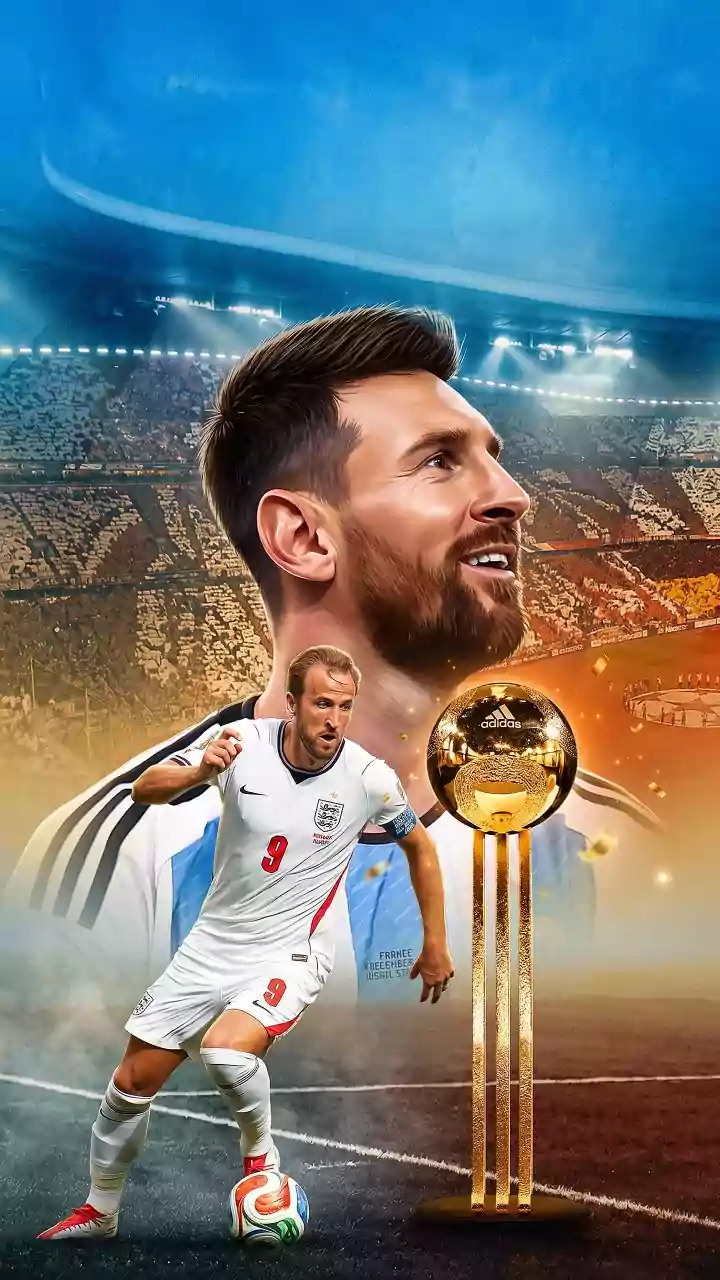
Winning both the Golden Ball for the tournament's best player and the Golden Boot for the top scorer is one of football's rarest achievements. The last player to accomplish this feat at a men's World Cup was Italy's Paolo Rossi all the way back in 1982.
Before him, you have to go back to Argentina's own Mario Kempes in 1978. Since then, the two awards have almost always gone to different players. In 2014, Messi himself won the Golden Ball while Colombia's James Rodríguez took the Golden Boot. In 2022, Messi again claimed the Golden Ball, but the top scorer prize went to Kylian Mbappé. The fact that this dual honour is even a possibility for Messi in 2026 speaks volumes about the incredible level at which he is still performing.
Defying Father Time in Record-Breaking Fashion
Most players are long retired by age 39, but Messi has spent this tournament rewriting the record books for longevity. Competing in his record sixth World Cup, he has been nothing short of phenomenal. Going into the final stages, he was tied as the tournament's leading scorer with eight goals, a campaign that included a stunning hat-trick against Algeria in the group stage. His scoring exploits have placed him among the oldest goalscorers in the tournament's history, behind only legends like Roger Milla and Cristiano Ronaldo. Milla scored his final World Cup goal at 42, but he wasn't leading a team to the final. Messi isn't just scoring; he is the focal point of a title-defending team, a burden he has carried with astonishing grace and effectiveness.
A Team Built for One Last Dance
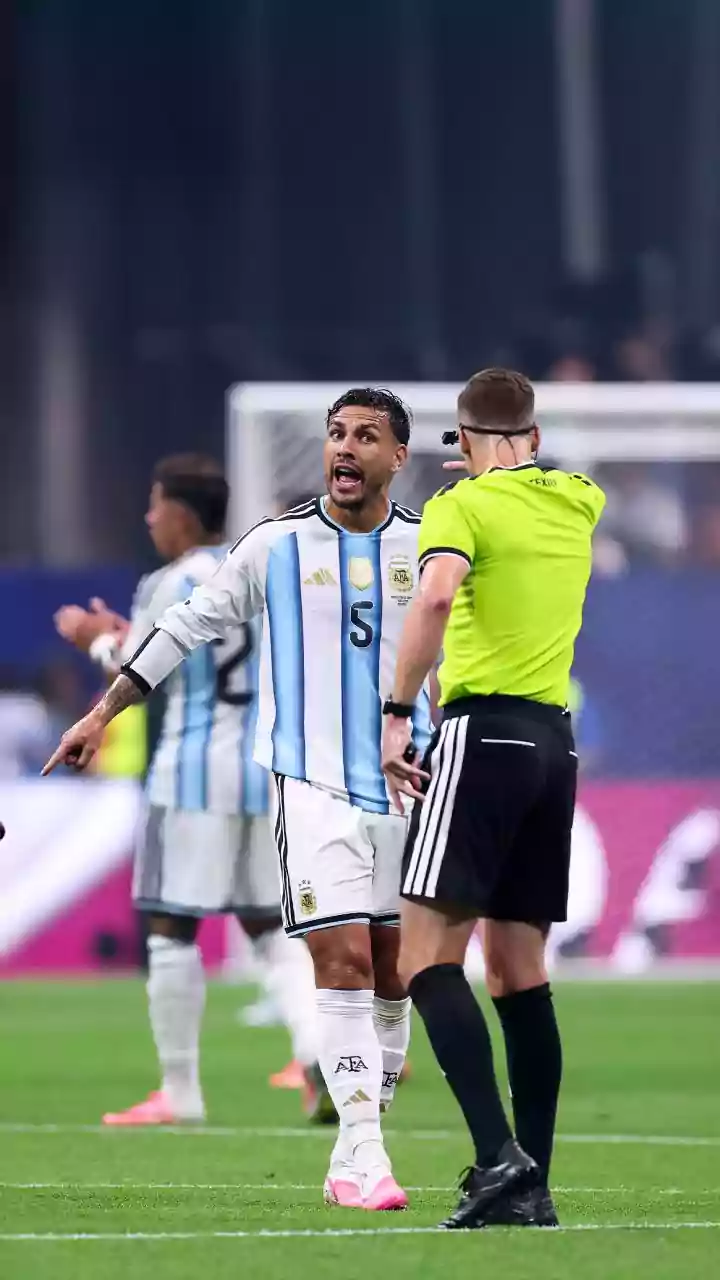
Messi's individual brilliance doesn't happen in a vacuum. Coach Lionel Scaloni has masterfully retained the core of the 2022 championship squad, with Ángel Di María being the only major absence. This continuity has created a team that knows its identity and plays for its captain. The tireless work of midfielders like Rodrigo De Paul and Alexis Mac Allister provides the defensive balance and creative support for Messi to thrive. De Paul, in particular, has been a trusted lieutenant, covering immense ground to create space for his captain to operate. Up front, the dynamic movement of forwards like Julián Alvarez and Lautaro Martínez constantly pressures defences, preventing them from focusing solely on containing Messi. This collective effort has been the engine behind Argentina's run to a third consecutive World Cup final for their iconic number 10.
The Final Hurdle for an Unprecedented Double
Ultimately, it will all come down to his performance in the final against Spain. A victory and a goal or two would make a compelling case for both awards that would be hard for anyone to ignore. The Golden Boot is a numbers game, and he entered the final weekend neck-and-neck with his rivals. The Golden Ball, however, is often about the narrative. It is awarded to the player who defines the tournament. By leading Argentina to another final at 39, scoring crucial goals in every round, and chasing a historic double, Messi has already crafted the most powerful story of the 2026 World Cup. Winning the trophy would be the final chapter, but securing both individual honours would cement his status not just as the greatest of his generation, but perhaps the greatest of all time.