




Why Chikmagalur, Why Now?
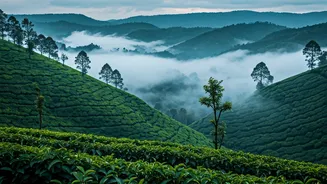
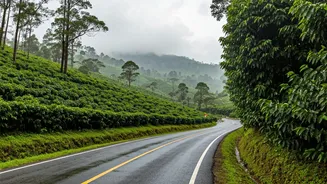
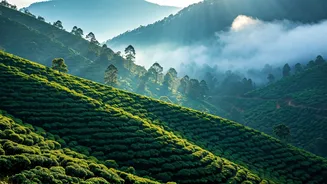
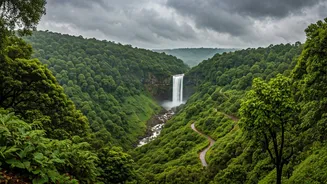
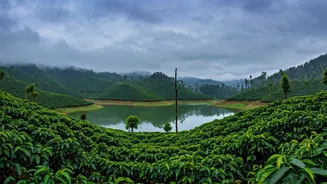
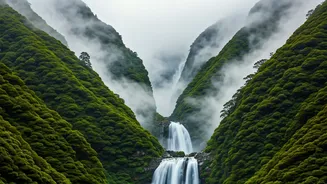
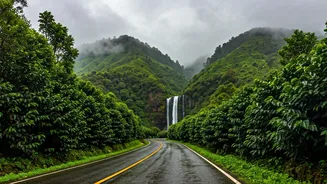
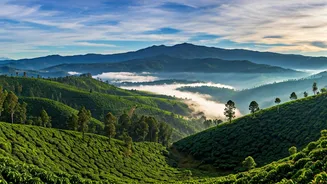
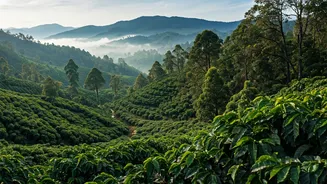
Chikmagalur, long celebrated as India's coffee heartland, transforms into a different kind of paradise between June and September. The monsoon breathes life into the Western Ghats, turning the entire region into a vibrant, emerald landscape. [7, 10] Waterfalls
that are mere trickles in summer become roaring cascades, and the air fills with the smell of wet earth and fresh coffee blossoms. [7, 15] This dramatic, moody beauty is incredibly photogenic, which explains why social media is currently flooded with images of trekkers navigating misty trails and celebrating atop cloud-kissed peaks. It’s an escape that feels both adventurous and deeply refreshing, a perfect antidote to city life that’s just a drive away for many in South India.
Mullayanagiri: The Highest Peak in Karnataka
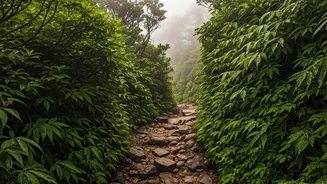
If you want to touch the clouds, this is your trek. At 1,930 meters, Mullayanagiri is the highest peak in Karnataka, and its trails are legendary. [3, 9] The trek itself can be as easy or as challenging as you want. You can drive close to the summit and take a final flight of stairs to the top, or you can take the more demanding 3-4 hour 'Sarpadhari' (snake path) trail for the full experience. [3, 16] During the monsoon, the path is wrapped in dense fog, reducing visibility and adding a layer of thrilling mystery. [9] The reward at the top is a small Shiva temple and, on a clear day, a panoramic view that makes you feel on top of the world. Even without the view, the feeling of being enveloped in clouds is an experience in itself. [12]
Kudremukh: The Horse-Face Range
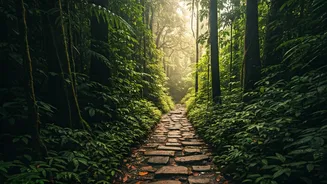
For those seeking a more strenuous challenge, the Kudremukh trek is an iconic Western Ghats adventure. Meaning 'horse face' in Kannada, the peak resembles its namesake. This 22-kilometer round trip journey inside a national park is a test of stamina, taking you through a stunning mosaic of shola forests, rolling grasslands, and multiple stream crossings. [5, 25] In the monsoon, the landscape is at its most dramatic and lush, with waterfalls in full flow. [14, 20] However, this beauty comes with challenges: slippery paths and an army of leeches are part of the monsoon package. [13, 20] Due to its popularity and protected status, trekking is limited to a set number of people per day, and permits are mandatory, so planning is essential. [21]
Kemmanagundi: The Royal Retreat
Once the summer retreat of a Mysore king, Kemmanagundi offers a range of gentler but equally stunning trails. [27] The trek to Z Point is a popular choice, offering breathtaking views of the valleys below from a sharp, cliff-like viewpoint. [24, 30] The trail itself, which starts near the Raj Bhavan guesthouse, takes you through forests and past Shanti Falls. [27, 31] The area is also home to Hebbe Falls, a spectacular waterfall that splits into two stages. [31] While some sources advise avoiding heavy monsoon for trekking here, the season brings out the best in the waterfalls and fills the landscape with a misty, ethereal quality, making it a photographer's dream. [24, 29]
Know Before You Go: Monsoon Trekking Essentials
A monsoon trek in the Western Ghats is magical but requires preparation. Your gear can make or break the experience. Invest in trekking shoes with excellent grip to handle slippery, mossy rocks. [2, 18] A waterproof jacket or poncho is non-negotiable, as are quick-drying clothes (avoid cotton). [2] Pack essentials in dry bags or zip-lock pouches to protect them from the rain. [19] Given the terrain, a trekking pole can provide much-needed stability. [2] Leeches are a fact of life here during the rains; wear leech-proof socks or carry salt or sanitiser as a precaution. [20, 28] Always check the latest weather updates and trail conditions, as heavy rains can make some paths unsafe. [7] Finally, trek responsibly. Stick to marked trails, carry your trash back, and respect the fragile ecosystem you're there to enjoy.