







Part 1: The Pre-Trip Vehicle Inspection
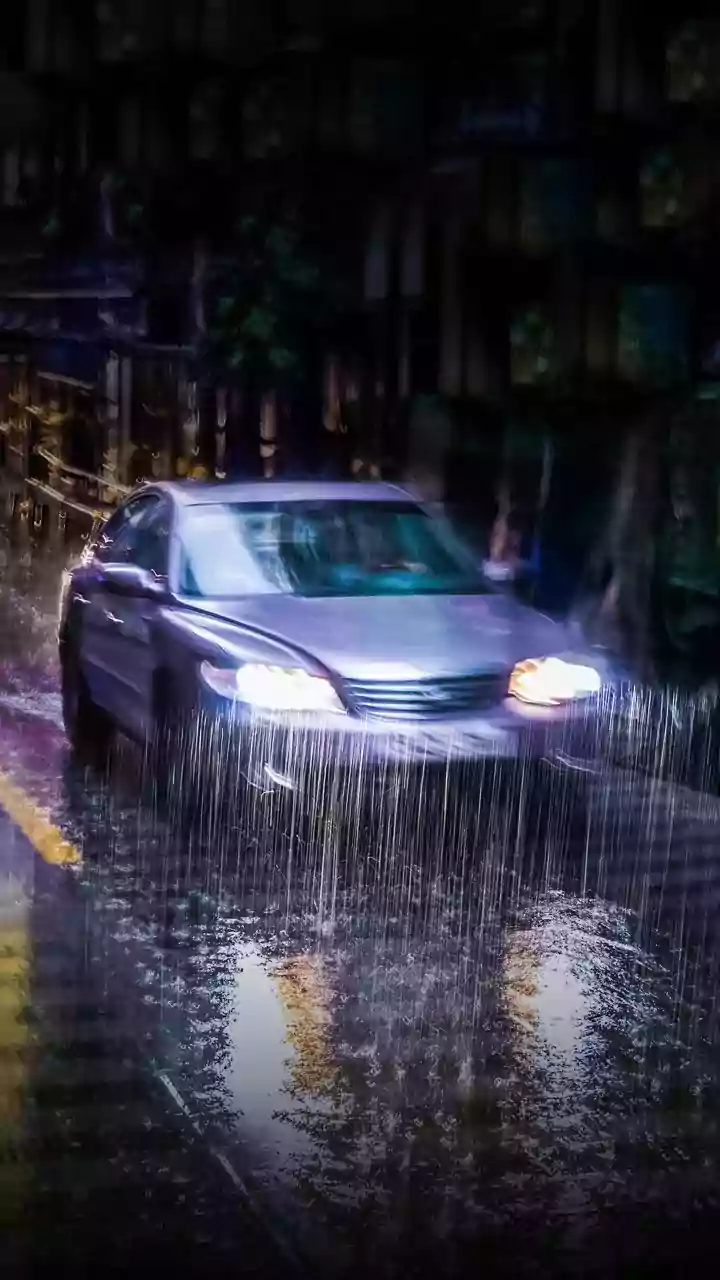
Before you even think about packing, your car needs a thorough check-up. The monsoon is notoriously tough on vehicles, and a pre-trip inspection can prevent a breakdown in the middle of a downpour. Start with the most critical components for wet-weather
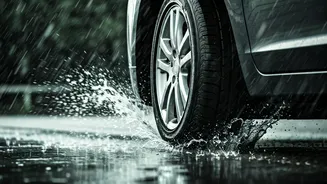
driving. First, inspect your tyres. They are your only connection to slippery roads. Ensure they have adequate tread depth—at least 3mm is recommended for monsoons, as worn tyres struggle to channel water and increase the risk of hydroplaning. Also, check the tyre pressure when they are cold, including the spare. Next, test your brakes. Wet conditions can significantly increase your car’s stopping distance. Listen for any squealing or grinding sounds and ensure the brake fluid level is optimal. If the pedal feels spongy or the car pulls to one side when braking, get it checked immediately.
Part 2: Ensuring Crystal-Clear Visibility
Visibility is the first casualty of a heavy downpour. Your wipers are your most important safety tool. Inspect the rubber blades for cracks or hardening; if they leave streaks or make noise, replace them. Top up the windshield washer fluid with a proper solution, not just water, as it helps clear road grime more effectively. Check all your car's lights: headlights (both low and high beam), taillights, brake lights, and indicators. Low-beam headlights are crucial for being visible to others in heavy rain without causing glare. Also, test your air conditioning and defogger. Humidity causes windscreens to fog up instantly, and a functioning AC is the fastest way to clear it.
Part 3: Under The Bonnet Checks
High humidity and moisture can cause electrical issues. Check the car battery, especially if it's more than three years old. Clean any corrosion from the terminals and ensure the connections are tight. A weak battery is a common cause of breakdowns in rainy-day traffic jams. Also, inspect essential fluid levels like engine oil and coolant. Driving through waterlogged city streets and slow-moving traffic puts extra strain on the engine, making optimal fluid levels critical for preventing overheating. Ensure all wiring in the engine bay is properly insulated to prevent short circuits from moisture.
Part 4: The In-Car Monsoon Emergency Kit
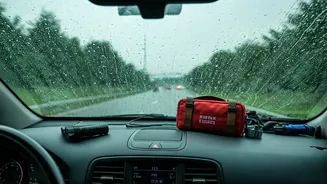
Once the car is ready, it's time to pack a dedicated monsoon emergency kit. This is different from your standard travel bag. Your kit should include a tow rope, a high-power torch or flashlight, and a complete first-aid kit with basic medicines for fever and colds. Pack dry snacks and plenty of water, as you might get stuck in traffic or face route diversions. A power bank for your phone is non-negotiable. It's also wise to have a foldable umbrella, a raincoat or poncho, and a few quick-dry towels. Keep important documents in waterproof zip-lock bags to protect them from moisture.
Part 5: Smart Driving on Wet Roads
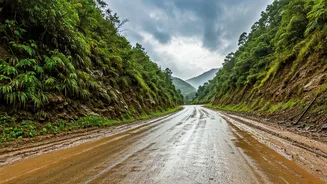
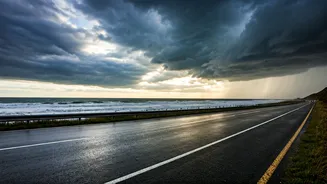
Navigating Indian roads during the monsoon requires a change in driving style. The number one rule is to slow down. Wet roads dramatically reduce tyre grip and increase braking distances. Maintain at least double the usual following distance from the vehicle ahead. Be wary of the first rains, which mix with oil and dirt on the road to create an exceptionally slippery surface. Avoid driving through deep or standing water if you can. Puddles can hide massive potholes or debris. If you must cross a waterlogged patch, drive slowly and steadily in a low gear to avoid water entering the exhaust or engine. Never use high beams in heavy rain, as the light reflects off the raindrops and impairs vision for you and oncoming drivers.