



The Ultimate Dessert Mashup
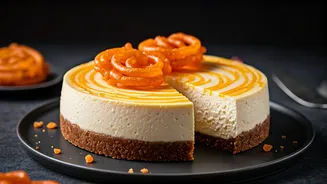
If you’ve scrolled through any Indian food blog or browsed a trendy bakery’s menu recently, you've likely seen it: the Rasmalai Tres Leches cake. This is the fusion delight that has dessert lovers buzzing. It’s a genius creation that takes the light,
airy, milk-soaked sponge of a Latin American Tres Leches cake and infuses it with the unmistakable flavours and textures of a classic Indian rasmalai. The result is a dessert that is soft, spongy, creamy, and bursting with the fragrant notes of cardamom, saffron, and pistachio. It's not just a cake; it’s an experience that feels both innovative and deeply nostalgic, hitting a sweet spot that few desserts can.
A Tale of Two Classics
To understand the magic, you need to appreciate the parents. On one side, we have Tres Leches cake, which translates to “three milks cake.” Originating from Latin America, it’s a simple butter or sponge cake that achieves its legendary status after being soaked in a mixture of three types of milk: evaporated milk, condensed milk, and heavy cream. This process transforms the cake into a moist, decadent dessert that melts in your mouth, typically topped with a light whipped cream. On the other side is Rasmalai, a beloved sweet from the Indian subcontinent. It consists of soft, flattened discs of chhena (paneer or Indian cottage cheese) soaked in malai (clotted cream) and sweetened, thickened milk. The milk is delicately flavoured with saffron for colour, cardamom for aroma, and often garnished with slivered almonds and pistachios. It’s a dessert synonymous with celebrations, festivals, and pure indulgence.
How the Magic Happens
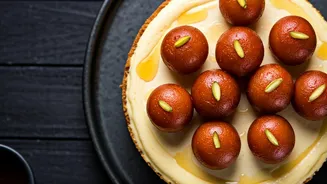
Creating the Rasmalai Tres Leches is a masterful act of culinary balancing. The process begins with a light sponge cake, often made eggless to cater to a wider audience in India. Instead of the traditional three-milk soak, bakers craft a 'ras' or syrup inspired by rasmalai. This liquid gold is a blend of thickened milk, condensed milk, and fresh cream, richly flavoured with crushed cardamom pods and delicate saffron strands. The cake is allowed to drink up this fragrant milk mixture, becoming incredibly moist and flavourful without turning soggy. The fusion is completed with the topping. Instead of plain whipped cream, the cake is frosted with a saffron- and cardamom-infused cream and then generously garnished with pieces of actual rasmalai, chopped pistachios, almonds, and sometimes dried rose petals. Each bite offers a multi-layered experience: the soft cake, the creamy frosting, and the chewy burst of the rasmalai pieces.
Why It Works So Well
The roaring success of this fusion isn't an accident. It works because the two desserts, despite their different origins, share a fundamental DNA: they are both milk-based, soft, and celebratory. The Tres Leches provides a perfect, neutral-flavoured canvas—a spongy vehicle for flavour. Rasmalai, with its powerful aromatic profile, brings the personality. The combination is a dream for the Indian palate, which loves desserts that are milky, sweet, and fragrant. Furthermore, it solves a common dessert dilemma. It’s not as dense as a traditional cream cake, nor is it as singularly sweet as some mithai. It occupies a perfect middle ground—a sophisticated cake with the comforting, familiar taste of home. It’s the best of both worlds, offering a novel texture with a deeply rooted flavour profile.
A Viral Sensation
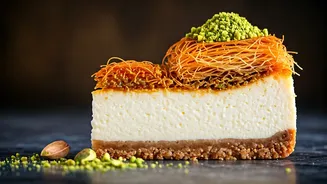
Beyond its taste, the Rasmalai Tres Leches is an 'Instagrammable' work of art. Its pale cream canvas dotted with vibrant yellow saffron, green pistachios, and glistening rasmalai pieces makes it visually stunning. This has fueled its meteoric rise on social media, with home bakers and professional chefs alike showcasing their beautiful creations. It has become a staple at modern Indian gatherings, from birthday parties to Diwali celebrations, replacing more traditional dessert offerings. It’s a testament to how modern Indian cuisine is evolving—by creatively reinterpreting global trends through a local lens, creating something that is exciting, delicious, and uniquely our own. It’s no longer just a trend; it has cemented its place as a modern classic.