




What is a 'Use-First' Box?
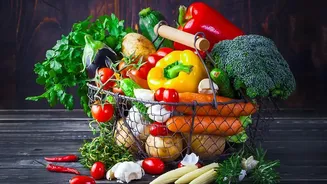
The concept is brilliantly simple. It is a designated, clearly visible container in your refrigerator for produce that needs to be eaten soon. This includes delicate items, produce nearing its prime, leftovers, and opened packages. Think of it as a priority
lane for your vegetables. By gathering these items in one spot, you create a visual reminder to use them before they spoil. It takes the guesswork out of meal prep and helps you follow the golden rule of kitchen inventory: first in, first out. This method ensures that older items are moved to the front and used before newer groceries. The goal is to put valuable nutrients into your family instead of the compost bin.
Setting Up Your System
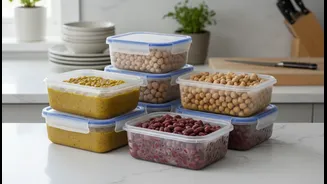
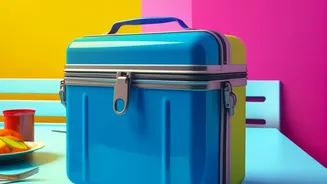
Getting started is easy. Choose a container that fits well in your fridge. A clear bin is ideal because it allows you to see the contents at a glance, but any basket or box will work. Label it clearly with 'Use-First' or 'Eat Me Now'. The most important factor is placement. Position the box at eye level on a main shelf, not hidden away in a crisper drawer. When you open the fridge to decide on a meal or grab a snack, this box should be the first thing you see. This simple visual cue makes it far more likely you will reach for the half-bell pepper or the slightly soft tomatoes before they go bad. Make it a habit to check the box daily and think about how you can incorporate its contents into your next meal.
Handling Delicate Greens and Herbs
Herbs like coriander (dhaniya) and mint (pudina) are staples in Indian cooking but are notoriously quick to wilt. Proper storage is key. For coriander, one effective method is to wash it, dry it completely, and then roll it loosely in a paper towel before placing it in a container or a slightly open zip-top bag in the fridge. The paper towel absorbs excess moisture that leads to rot. Another popular technique, treating them like a bouquet of flowers, involves trimming the stems and placing them in a jar with a little water. Cover the leaves loosely with a plastic bag and change the water every couple of days. Once these herbs start to look even slightly tired, they should go directly into your use-first box to be added to a chutney, raita, or curry that day.
Managing Open Packs and Leftovers
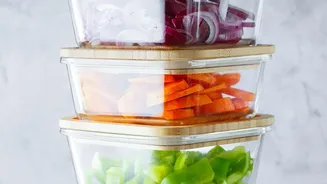
Half a lemon, a partially used onion, or a small portion of chopped carrots from last night’s dinner can easily get lost in the fridge. These items are prime candidates for your use-first box. To keep them fresh, proper storage within the box is still important. Wrap cut onions tightly to prevent their odour from permeating other foods. Store cut vegetables in airtight containers. Rather than letting these small amounts go to waste, the use-first box brings them front and centre, encouraging you to toss them into a stir-fry, soup, or salad. This strategy is also perfect for any pre-packaged vegetables that have been opened. Once the seal is broken, their shelf life decreases, so moving them to the priority box is a smart move.
Making the System a Habit
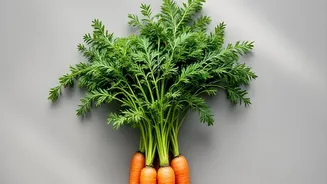
For the use-first box to be effective, it needs to become part of your routine. The best time to manage it is right after you return from grocery shopping. As you unpack your new produce, take a quick inventory of what’s already in your fridge. Move any older items or those that look like they are starting to fade to the use-first box. Place your new, hardier vegetables like carrots, beets, and cabbage in their regular storage spots. This weekly reset takes only a few minutes but establishes a powerful workflow. It also helps you plan your meals for the coming days, starting with the ingredients that need to be used most urgently. Over time, you’ll find that you waste significantly less food and save money in the process.