







Start with Proper Identification
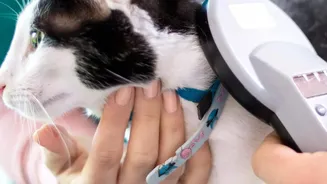
Before you go anywhere, ensuring your pet can be identified is non-negotiable. The most reliable method is a microchip. This tiny electronic chip, about the size of a grain of rice, is implanted under your pet's skin by a vet. It contains a unique identification
number that links to your contact details in a national registry. While there is no single national law mandating microchips for all pets in India, many municipal bodies are making it a requirement, and it is mandatory for international travel and often for airline transport. The cost is minimal, typically between ₹1,000 and ₹2,000. In addition to a microchip, your pet should always wear a collar with a physical ID tag that includes your name and current phone number. This provides an immediate way for someone to contact you if your pet gets lost, without needing a special scanner.
Prioritise Your Pet's Comfort
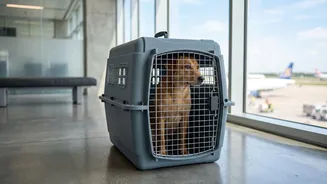
A comfortable pet is a happy traveller. Your primary goal is to make the travel environment feel safe and familiar. Start by getting your pet accustomed to their travel crate or carrier well in advance of your trip. Leave it open in your home with soft bedding and their favourite toys inside, allowing them to see it as a safe den rather than a scary box. For car journeys, introduce them to the vehicle with short, positive trips that end somewhere fun, like a park. During the actual travel, pack familiar items like a favourite blanket or toy to provide a sense of home. Plan for regular breaks for them to stretch, hydrate, and relieve themselves. It is generally advised to avoid feeding your pet a large meal a few hours before travelling to minimise the risk of motion sickness. Never, under any circumstances, leave your pet unattended in a parked car.
Choose the Right Transport
How you travel depends on your destination, your pet's size, and regulations. For air travel within India, policies vary by airline. Air India, for instance, may allow small pets (under 10kg, including the carrier) in the cabin on certain flights, while larger animals must travel in the temperature-controlled cargo hold. You typically need to book your pet's spot at least 48 hours in advance. Train travel is another option. Indian Railways allows pets in AC First Class, provided you book an entire two-berth coupe or four-berth cabin. This gives you a private space for you and your pet. You will need to arrive early and book your pet at the parcel office. For road trips, ensure your pet is safely restrained in a carrier or with a car harness designed for dogs; a free-roaming pet is a major distraction and safety hazard.
Arrange Essential Veterinary Support
A clean bill of health is mandatory for most forms of travel. You will need a health certificate, often called a 'fit-to-fly' or 'fit-to-travel' certificate, from a licensed veterinarian. This document confirms your pet is healthy and free from contagious diseases. For air travel, this certificate is usually required to be issued within 24 to 72 hours of the flight. For train journeys, it might be valid if issued up to 7 days prior. Your pet’s vaccination records must be up to date, especially for rabies. The rabies shot should be administered at least 30 days before international travel. For international journeys, the paperwork is far more extensive, often requiring an advance No Objection Certificate (NOC) from India's Animal Quarantine and Certification Services (AQCS), so it is crucial to start the process weeks or even months ahead.