






Embrace Immunity-Boosting Vegetables
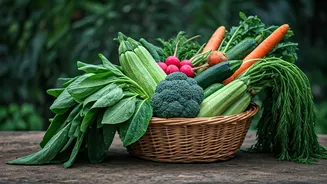
The monsoon brings a higher risk of infections, making a strong immune system your top priority. Instead of reaching for leafy greens which can harbour dirt and germs, turn to seasonal gourds. Vegetables like bottle gourd (lauki), ridge gourd (tori),
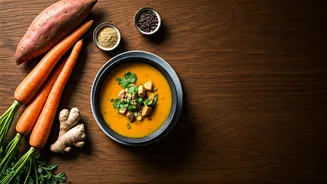
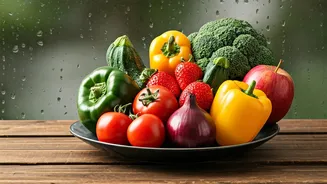
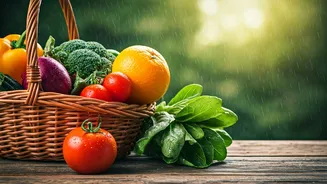
and bitter gourd (karela) are excellent choices. They are not only light on the stomach and easy to digest, but also packed with essential nutrients and water content. Furthermore, they are rich in antioxidants that help fight off infections. Incorporating brightly coloured vegetables like pumpkin and sweet potatoes provides a dose of beta-carotene, which the body converts into Vitamin A, a crucial nutrient for immune function. Steam or lightly sauté them to retain maximum nutritional value.
Harness the Power of Spices
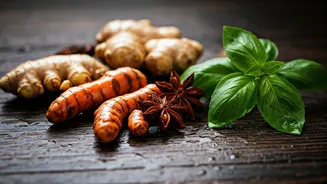
Your kitchen’s masala dabba is a treasure trove of immunity-boosting ingredients perfect for the season. Turmeric (haldi) is a potent anti-inflammatory and antiseptic agent; a pinch in your milk or dal can work wonders. Ginger (adrak) is another monsoon hero. Its antibacterial properties help soothe sore throats and improve digestion. Add it to your morning chai or soups. Garlic (lehsun) is renowned for its infection-fighting capabilities, while a sprinkle of black pepper (kali mirch) not only enhances flavour but also helps the body absorb nutrients like curcumin from turmeric more effectively. These spices do more than just add taste; they actively help your body defend itself against pathogens common during the rainy season.
Choose Your Fruits Wisely
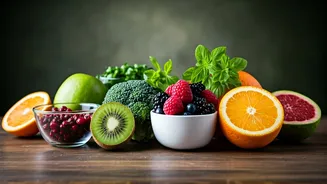
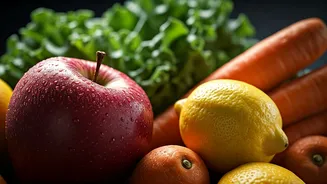
While fruits are essential, making smart choices is key during the monsoon. Opt for fruits with thick peels that protect the flesh from contamination. Bananas, pomegranates, and papayas are excellent. Seasonal fruits like jamun and peaches are also great, packed with Vitamin C and antioxidants. It's best to avoid pre-cut fruits from street vendors, as they are highly susceptible to contamination. Also, be wary of watermelons and muskmelons, which have high water content that can sometimes lead to bloating or an upset stomach if the digestive system is already sluggish. Always wash fruits thoroughly and consume them fresh.
Rethink 'Fresh' Salads and Street Food
This is where the term 'fresh' needs a closer look. Raw vegetables, especially leafy greens like spinach and cabbage, can be difficult to clean properly and may carry bacteria and germs from contaminated soil and water. If you must have a salad, it is safer to opt for steamed or blanched vegetables. Similarly, the allure of street-side chaat and golgappas is strong, but the risk of using contaminated water makes them a major health hazard during this season. Your digestive system is naturally weaker during the monsoon, making you more vulnerable to water-borne diseases like typhoid and cholera. It's the perfect time to experiment with making your favourite street foods at home, where you can control the hygiene and quality of ingredients.
Focus on Light Proteins and Probiotics
Heavy, non-vegetarian dishes can be hard on your digestive system. This is a good time to switch to lighter forms of protein like moong dal, lentils, and chickpeas. They are easy to digest and provide sustained energy. A simple khichdi is a perfect monsoon comfort meal that is both nutritious and gentle on the gut. Probiotics are also your best friend during this season. A bowl of homemade dahi (yogurt) or a glass of buttermilk (chaas) helps maintain a healthy gut microbiome. A healthy gut is the foundation of a strong immune system, as it prevents the growth of harmful bacteria and aids in nutrient absorption.