


Ragi Mudde from Karnataka
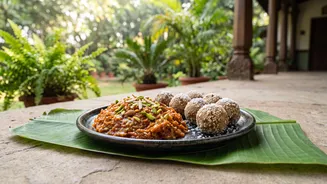
In the heart of Karnataka, Ragi Mudde is more than just food; it's a source of strength and cultural identity. These dense, dark, and glossy balls are made by cooking finger millet (ragi) flour in boiling water and shaping them by hand. Traditionally,
mudde is not chewed but swallowed after being dipped into a flavourful 'saaru' (a thin stew) or sambar, making it a unique culinary experience. Packed with calcium and fibre, it has been the sustaining meal for generations of farmers and continues to be a beloved staple in rural and urban homes alike, revered for its simplicity and immense health benefits.
Jowar Roti from Maharashtra
Travel to the arid regions of Maharashtra, and you will find Jowar Roti, also known as Bhakri, on almost every plate. This unleavened flatbread made from sorghum (jowar) flour is a cornerstone of the local diet, especially in rural areas. Since jowar is gluten-free, making these rotis is an art, often patted into shape by hand rather than rolled. Typically served with a fiery chutney like 'thecha' or a simple gram flour curry called 'pithla', this rustic combination offers a complete, nutritious meal that is both filling and deeply satisfying. Its earthy flavour and wholesome texture are a testament to the region's resilient culinary spirit.
Bajra Khichdi from Rajasthan
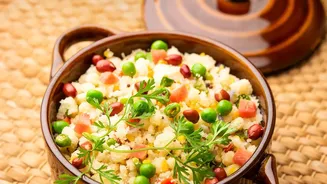
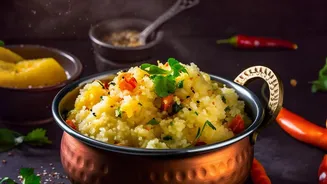
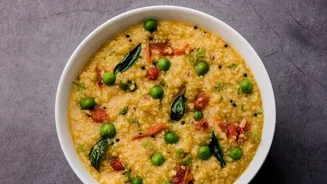
Winter in Rajasthan calls for warm, comforting bowls of Bajra Khichdi. This is not your typical rice and lentil dish; here, pearl millet (bajra) takes centre stage, cooked slowly with moong dal until it reaches a creamy, porridge-like consistency. Bajra is known for its warming properties, making this khichdi a seasonal staple. Seasoned simply with cumin and asafoetida, and finished with a generous dollop of ghee, it’s a one-pot meal that embodies the soul of Rajasthani cuisine—hearty, nutritious, and deeply rooted in tradition. It's often enjoyed with curd, garlic chutney, and a piece of jaggery to complete the experience.
Kambu Koozh from Tamil Nadu
When the summer heat peaks in Tamil Nadu, locals turn to Kambu Koozh, a cooling, fermented porridge made from pearl millet (kambu). This humble drink is a powerhouse of nutrition and probiotics. The millet is cooked, allowed to ferment overnight, and then mixed with buttermilk or curd and salt to create a tangy, refreshing beverage. Often sold by street vendors from earthy clay pots that keep it naturally chilled, it is traditionally served with raw shallots or green chillies. Kambu Koozh is a perfect example of traditional wisdom, offering hydration and energy to beat the scorching sun.
Mandua ki Roti from Uttarakhand
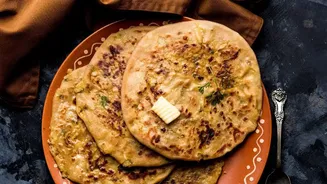
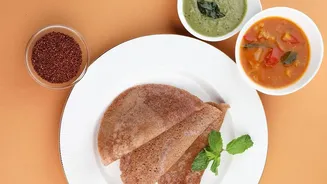
Nestled in the hills of Uttarakhand, Mandua ki Roti is a rustic flatbread made from finger millet, locally known as mandua. This nutritious grain is a staple in the Garhwal and Kumaon regions, prized for its ability to provide warmth during cold winters. The flour, which has a distinct nutty flavour, is often mixed with a little wheat flour to make it easier to roll. These rotis are typically cooked on a slow fire and served hot with a smear of ghee, alongside local dals like 'gahat' (horsegram) or simple vegetable curries. It’s a simple, wholesome food that reflects the hardy lifestyle of the mountains.