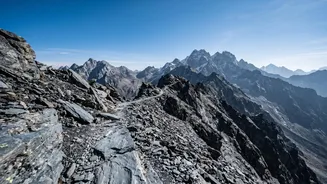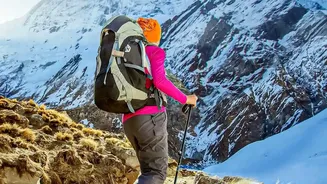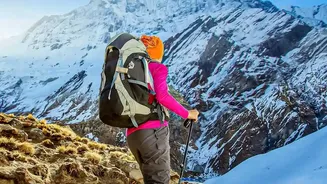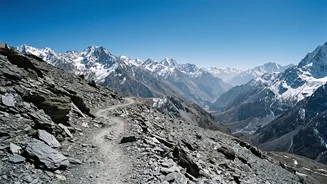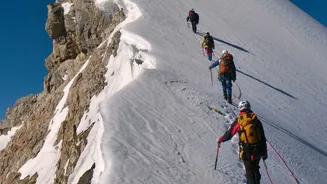

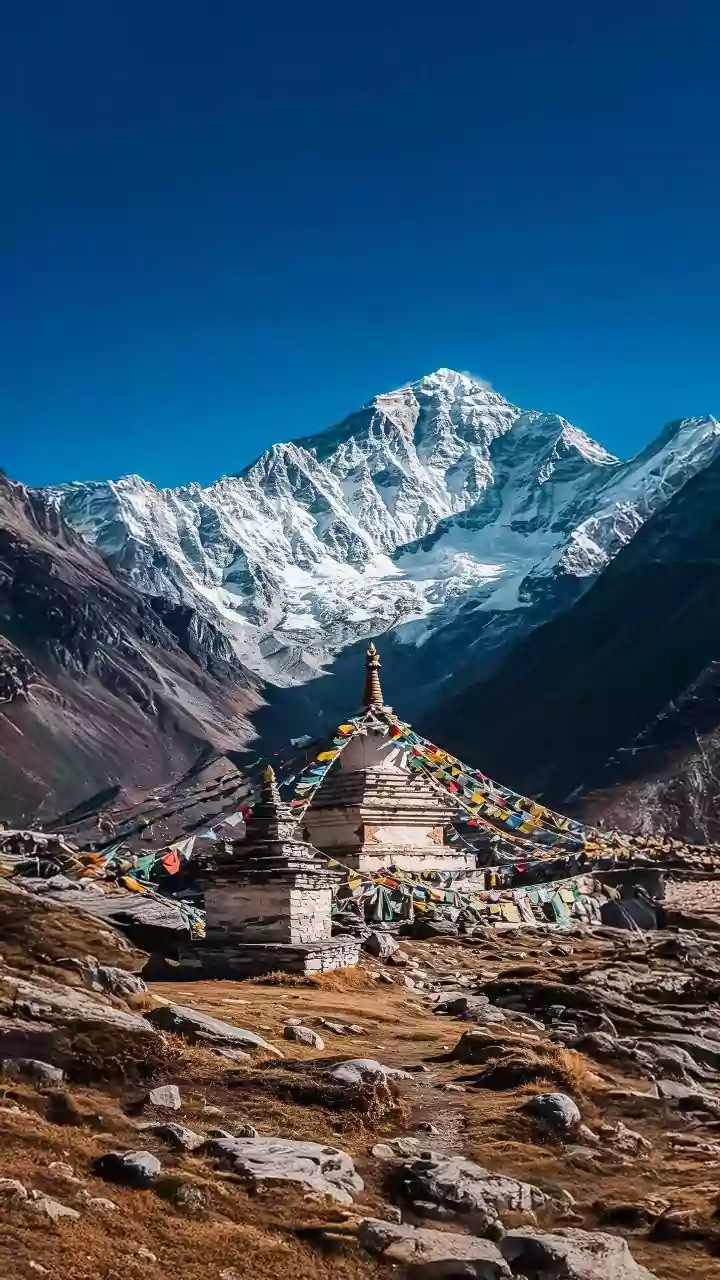


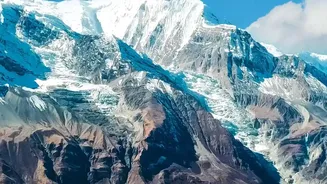
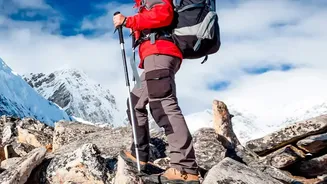
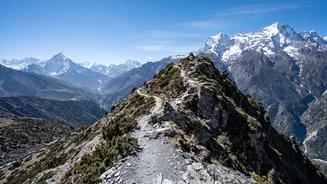
The majestic Himalayas call to adventurers with promises of breathtaking views and unparalleled challenge. But a series of recent weather-related events in Nepal are a stark reminder that these mountains demand respect, preparation, and adherence to rules.
A Season of Extreme Caution
The autumn trekking season in Nepal, typically a period of clear skies, has been marked by severe weather in 2026. In late October, authorities issued urgent warnings for trekkers as Cyclone Arnab, a system that formed in the Bay of Bengal, brought heavy rain, snowfall, and the threat of avalanches to high-altitude regions. The Department of Immigration even temporarily suspended the issuance of new trekking permits for restricted areas between October 29 and 31, urging those already on the trail to halt their journeys and remain in safe locations. This came on the heels of several flood and landslide events, including one on the Budhi Gandaki River in mid-October that stranded over 100 foreign trekkers in the Manaslu region after trails and bridges were washed away. These incidents, while not resulting in mass casualties among trekkers, highlight how quickly conditions can change and how vital official guidance is.
Permits: Your Unseen Lifeline
For many travellers, trekking permits can feel like bureaucratic red tape. But in the Himalayas, they are a critical safety tool. The Trekkers' Information Management System (TIMS) card and various national park permits are not just entry tickets; they are how authorities track who is on the trail. In an emergency, this information is invaluable for rescue operations. Since April 2023, Nepal has made it mandatory for foreign trekkers in most regions to hire a licensed guide, and TIMS cards are now issued only through registered trekking agencies. This rule was implemented to enhance tourist safety after numerous incidents involving solo trekkers who became lost or injured. While some experienced trekkers may prefer the freedom of going alone, the guide requirement is a response to the very real dangers of navigating unpredictable terrain without local expertise.
The Mountain Makes Its Own Rules
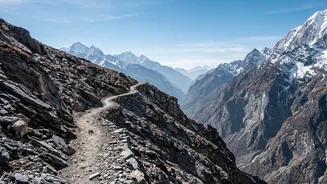
Himalayan weather is notoriously fickle, and the autumn season is no exception. While generally stable, it can be punctuated by cyclones or depressions originating from the Bay of Bengal, leading to sudden, heavy snowfall that can block high passes. Even on a clear day, temperatures can plummet unexpectedly, and trails can become treacherous. Beyond storms, the primary risk is the altitude itself. Acute Mountain Sickness (AMS) can affect even the fittest individuals at elevations above 2,500 metres. Symptoms like headaches, nausea, and dizziness are early warning signs that must not be ignored. A gradual ascent with proper acclimatisation days is non-negotiable. An experienced guide is trained to spot the early signs of AMS and will insist on descending if symptoms worsen—a decision that can be the difference between a bad headache and a life-threatening emergency like High-Altitude Pulmonary or Cerebral Edema (HAPE/HACE).
Preparation is Everything
The responsibility for safety ultimately lies with the trekker. This begins with choosing a reputable trekking agency that provides a licensed guide and handles all necessary permits, which can range from around NPR 5,000 for a standard trek to over USD 500 for restricted areas. It also means being physically and mentally prepared for a multi-day hike in difficult conditions and having the right gear. Crucially, every trekker must have comprehensive travel insurance that specifically covers high-altitude trekking and helicopter evacuation. A rescue operation in a remote valley can be logistically complex and prohibitively expensive without it. As the recent weather warnings show, it is also vital to stay informed, listen to local authorities, and be willing to change or delay plans. The mountains will always be there, and ensuring you can return to them safely is the most important goal of any expedition.