



Why Your Plant's Roots Need to Breathe
At its core, drainage is about one thing: oxygen. Plant roots need to absorb oxygen just as much as they need water. In nature, an extensive soil system allows excess water to run off, maintaining air pockets. In a pot, however, water can easily get trapped.
When soil becomes waterlogged, these crucial air pockets disappear, effectively suffocating the roots. This oxygen-deprived environment is the primary cause of root rot, a fungal condition where roots turn brown, mushy, and stop functioning. Without healthy roots to absorb nutrients and water, the plant will show signs of distress like wilting and yellowing leaves, and may eventually die. Good drainage prevents this by allowing excess water to escape freely.
Picking the Perfect Pot
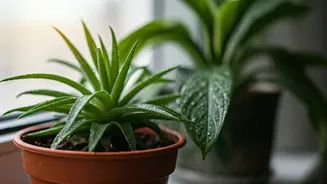
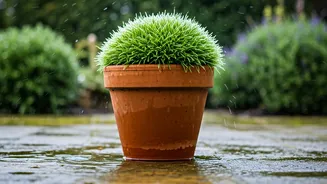
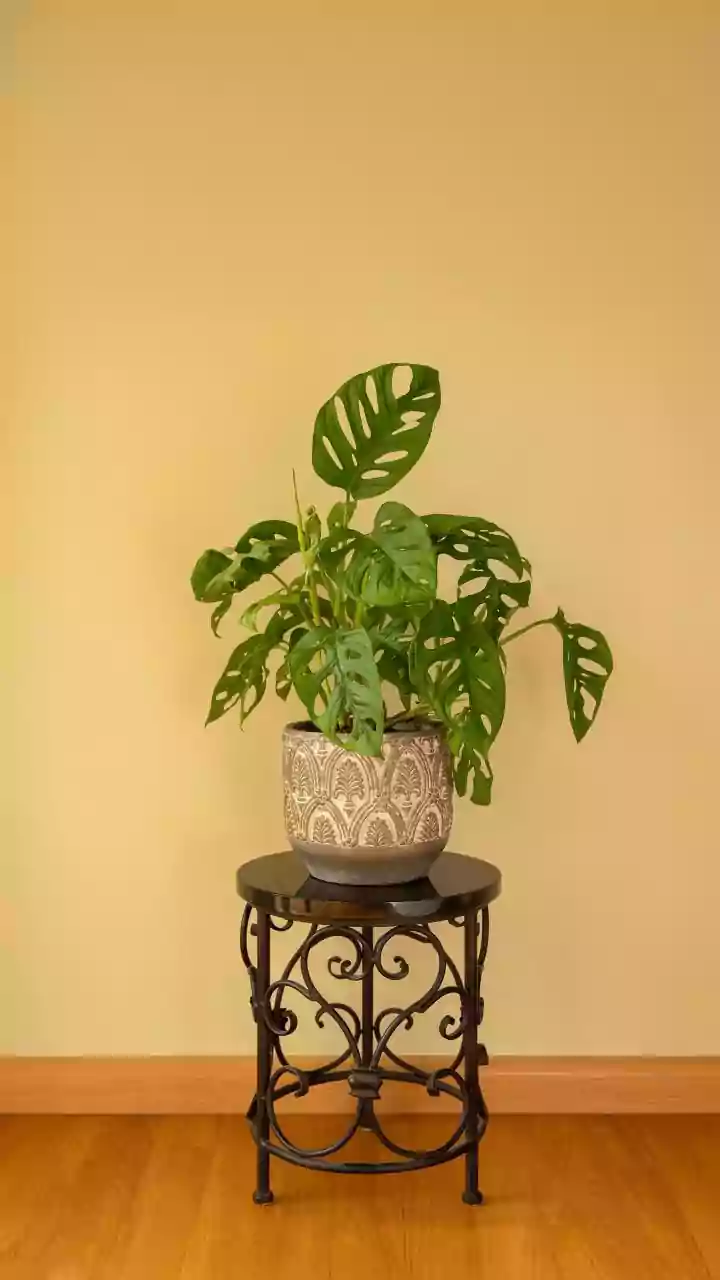
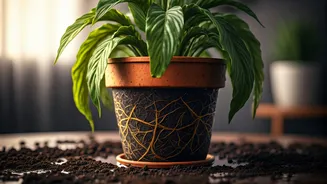
The simplest way to ensure good drainage is to choose a pot with holes at the bottom. These holes are non-negotiable for most plants, as they provide a direct exit route for surplus water. The material of the pot also plays a role. Unglazed terracotta is porous and wicks moisture away from the soil, making it an excellent choice for plants that prefer drier conditions, like succulents and cacti. Plastic and glazed ceramic pots, on the other hand, retain more moisture since water can only escape through the bottom holes. If you fall in love with a decorative pot that lacks drainage holes (often called a cachepot), don't plant directly into it. Instead, keep your plant in a plastic nursery pot that fits inside the decorative one. This allows you to remove the inner pot for watering and let it drain completely before placing it back.
The Myth of a Gravel Layer
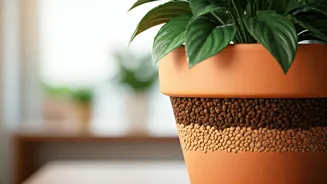
A common but mistaken piece of advice is to add a layer of gravel or rocks to the bottom of a pot to improve drainage. In reality, this does the opposite. Water does not move easily from a fine-textured material (like potting soil) to a coarse-textured one (like gravel). Instead of draining through, water collects in the soil just above the gravel layer, creating what is known as a "perched water table." This raises the saturated zone higher in the pot, bringing it closer to the plant's delicate roots and increasing the risk of rot. Rather than creating layers, the key is to improve the structure of the entire potting medium.
How to Create a Well-Draining Soil Mix
Standard potting soil on its own can sometimes be too dense, retaining more water than is ideal for many houseplants. You can easily create a superior, faster-draining mix by adding amendments. These materials create more air space within the soil. The most popular choices are: * **Perlite:** This lightweight, white volcanic glass looks like tiny bits of styrofoam. It is excellent for increasing aeration and drainage without retaining much water, making it ideal for most houseplants. * **Pumice:** A porous volcanic rock that is heavier than perlite, pumice also improves aeration and drainage but doesn't float to the top of the soil during watering. * **Orchid Bark or Coco Coir:** These organic materials create a chunkier, airier soil texture, mimicking the natural environment of many tropical plants. * **Coarse Sand:** Best for succulents and cacti, sand helps soil dry out very quickly. A good starting point for a general houseplant mix is adding one part perlite to four parts potting soil.
Diagnosing a Drainage Problem
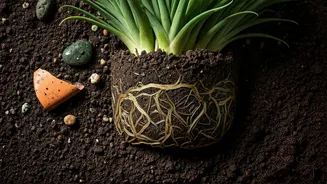
How can you tell if your plant is suffering from poor drainage? The signs often mimic those of an under-watered plant, which can be confusing. Look for yellowing or drooping leaves even when the soil is moist, stunted growth, and leaf drop. A musty or foul smell from the soil is a clear indicator of rotting roots. You might also notice that water pools on the soil's surface for a long time after watering or that the soil feels constantly soggy. Pests like fungus gnats are also attracted to overly moist soil. If you suspect root rot, the best course of action is to gently remove the plant from its pot. Healthy roots are typically firm and white or light tan; rotted roots will be brown or black, soft, and may fall apart when touched. Trim away any affected roots with clean scissors and repot the plant in fresh, well-draining soil.