






The Building Blocks of Recovery
When we talk about protein, what we’re really talking about are its building blocks: amino acids. Your body uses these compounds for countless vital functions, from building and repairing tissues like muscle to producing hormones and enzymes. There are 20
different amino acids, but nine of them are called “essential amino acids” because your body can’t make them on its own; they must come from the food you eat. When a food contains all nine of these in adequate amounts, it's called a “complete protein.” For those who are active, these complete proteins are especially crucial for repairing muscle fibers that are broken down during exercise, which is the cornerstone of recovery and getting stronger.
The Power of a Perfect Partnership
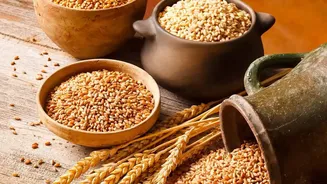
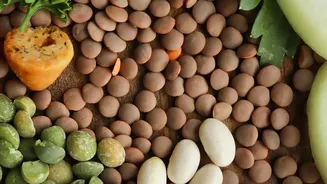
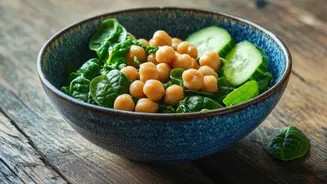
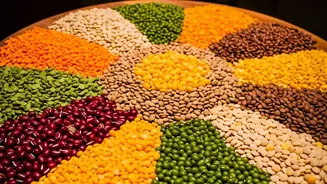
While animal-based foods like meat, eggs, and dairy are complete proteins, most plant-based foods are considered “incomplete.” This doesn't mean they are inferior; it just means that while they contain all essential amino acids, they are low in one or more specific ones. This is where the concept of complementary proteins comes in. Grains and legumes are a classic nutritional power couple because they perfectly compensate for each other's limitations. Whole grains (like rice, wheat, and corn) are typically low in the essential amino acid lysine but contain plenty of methionine. Legumes (like beans, lentils, and chickpeas) are the opposite; they are rich in lysine but low in methionine. When you eat them together, they form a complete protein profile, providing your body with all the essential building blocks it needs.
Do They Have to Be Eaten Together?
For years, a common belief was that you had to eat complementary proteins in the same meal for your body to benefit. This made plant-based eating seem complicated. However, nutrition science has shown this to be a myth. Your body is smart; it maintains a pool of amino acids to draw from as needed. As long as you consume a variety of protein sources throughout the day, your body can pull what it needs from that pool to synthesize complete proteins. So, if you have oatmeal (a grain) for breakfast and a lentil soup (a legume) for dinner, your body can combine those amino acids to get the full benefit. This makes achieving your protein goals much more flexible and less stressful.
Delicious Pairings for Your Plate
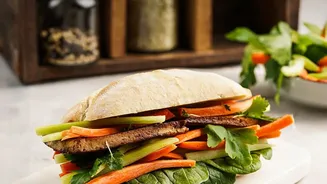
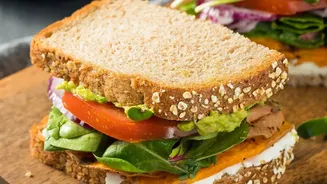
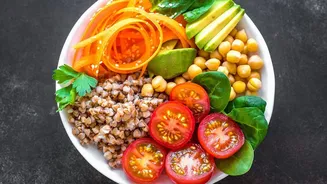
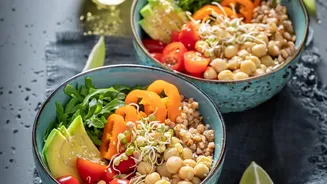
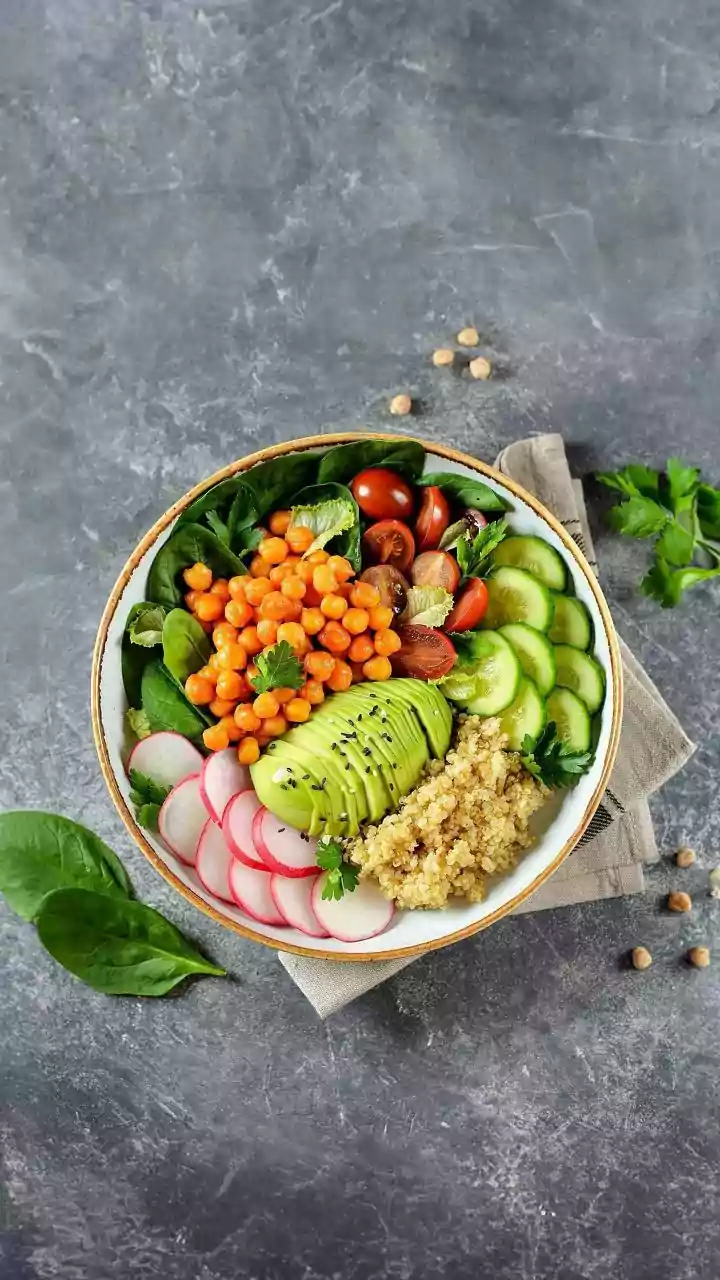
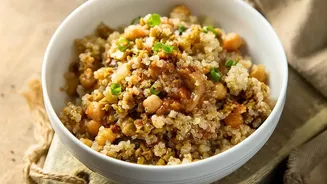
You are likely already eating complementary proteins without even realizing it, as these combinations are staples in cuisines all over the world. The classic example is rice and beans, a cornerstone of Latin American diets. In India, dal (lentils) is almost always served with rice or roti (a whole wheat flatbread). Middle Eastern cuisine gives us hummus (made from chickpeas) served with whole wheat pita bread. And a simple peanut butter sandwich on whole grain bread is another perfect pairing, since peanuts are technically legumes. Other great combinations include black bean soup with corn tortillas, lentil shepherd's pie with a potato topping, or a quinoa salad with chickpeas.