






The Link Between Moisture and Mould
Mould is a type of fungus that exists everywhere, with its microscopic spores floating in the air. These spores are generally harmless, but they begin to grow and multiply the moment they land on a damp surface. The two key ingredients mould needs to thrive
indoors are moisture and an organic food source, such as wood, drywall, or fabric. High humidity is a primary culprit. When the relative humidity inside a home consistently exceeds 60%, it creates an ideal breeding ground. The air becomes so saturated with water vapour that moisture begins to settle on cooler surfaces like walls and windows, a process known as condensation. This provides the steady supply of water that mould needs to flourish. In India, this is especially problematic during the monsoon season when outdoor humidity can soar above 80-90%.
From a Small Leak to a Big Problem
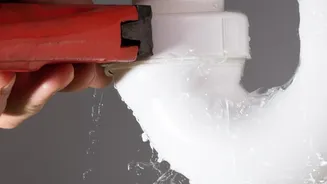
While high humidity provides a general environment for mould, direct water damage acts as an accelerator. A leaky pipe inside a wall, a damaged roof that lets in rainwater, or even a minor overflow from a sink can create concentrated pockets of moisture. Since these areas are often hidden from view—behind walls, under floors, or in ceilings—the water can sit undisturbed. Mould can begin to grow on a damp surface in as little as 24 to 48 hours. What starts as a small, unseen patch can quickly spread, feeding on building materials. By the time it becomes visible or produces a noticeable odour, the infestation may already be extensive, potentially causing structural damage over time as it breaks down organic materials like wood and drywall.
Recognising the Warning Signs
Early detection is crucial to preventing a major mould problem. Since much of the damage can be hidden, you need to rely on more than just your eyes. One of the most common indicators is a persistent musty or earthy odour. If the smell is stronger in certain rooms or when the air conditioning is running, it’s a strong clue. Other visible signs of water damage and potential mould include discoloration or dark stains on walls and ceilings, peeling or bubbling paint, warped wooden floors, and softened drywall. Of course, seeing actual mould growth, which can appear as black, green, or white spots, is a definitive sign that you have a moisture issue that needs immediate attention.
Health Risks of Indoor Mould
Exposure to indoor mould isn't just a property concern; it's a health issue. Mould releases spores into the air that can be inhaled, triggering a range of health problems. For many people, exposure can cause allergic reactions with symptoms like a stuffy nose, coughing, wheezing, sneezing, and itchy or red eyes. For individuals with asthma, mould can exacerbate their symptoms and lead to more frequent or severe attacks. The World Health Organization and other health bodies have linked indoor dampness and mould to an increased risk of respiratory symptoms and infections. While reactions vary from person to person, children, the elderly, and those with compromised immune systems are often more vulnerable to the effects of mould exposure.
Prevention Is Your Best Defence
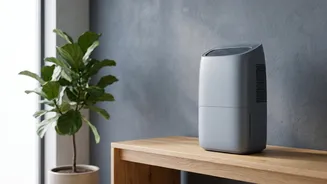
Controlling moisture is the key to controlling mould. The goal is to keep your indoor relative humidity between 30% and 50%. Using air conditioners and dehumidifiers is highly effective, especially in damp areas like basements. Ensure your home is well-ventilated by using exhaust fans in kitchens and bathrooms and opening windows to allow fresh air to circulate when the weather permits. Promptly fix any leaks from your roof or plumbing, no matter how small they seem. Regularly clean areas prone to moisture and wipe down any condensation you see on windows or pipes. These proactive steps disrupt the conditions mould needs to grow, protecting both your home and your health.