

The Age of the Over-Styled Shelf
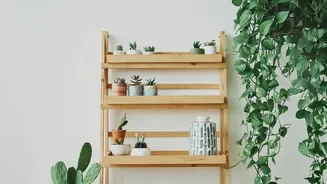
Not long ago, the ultimate sign of a stylish home was a bookshelf loaded with more than just books. It was a canvas for demonstrating personality, packed edge-to-edge with trailing plants, quirky ceramics, stacked art, and colour-coded spines. This maximalist
approach, fuelled by the rise of the Instagram 'shelfie', turned every surface into a performance. The goal was curated abundance, a visual story so dense that not an inch of space was wasted. This trend celebrated a 'more is more' philosophy, where shelves became personal museums displaying collections and bold objects. But for many, the pressure to maintain this perfectly cluttered look became a source of low-grade anxiety. What started as a fun way to express style began to feel like a chore, contributing to a sense of visual noise in our own homes.
A Collective Exhale: The Shift Begins
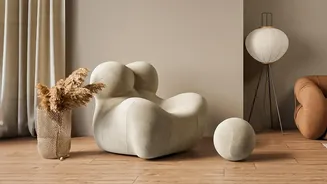
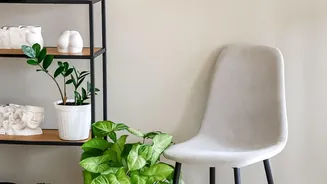
Now, a clear reversal is taking hold. Designers are reporting a move away from performative displays and toward interiors that feel more personal and serene. The focus is shifting from what we can add to what we can thoughtfully leave out. This isn't about stark, cold minimalism, but rather an intentional approach that prizes calm and clarity. The new ideal celebrates 'breathing room'. Instead of filling every gap, the trend is to give treasured objects their own space, allowing them to be appreciated individually. This shift reflects a broader cultural desire to declutter not just our homes, but our minds, creating sanctuaries from an overwhelming digital world.
The Design Philosophy of 'Negative Space'
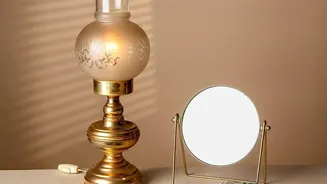
What designers call 'negative space' is the key to this new look. It refers to the empty, unoccupied areas around and between objects. Far from being wasted, this space is an active and powerful design element. It provides visual relief, allowing our eyes to rest and preventing a room from feeling chaotic. Think of how a single piece of art on a large, empty wall feels more powerful and intentional than one lost in a crowded gallery wall. The empty space acts as a frame, highlighting the beauty of the object itself. This concept has deep roots in design philosophies like Japanese 'Ma', which values the interval between forms, and Scandinavian design, which treats light and air with as much respect as physical objects.
Why We Crave Emptiness Now
This trend reversal isn’t happening in a vacuum. Psychologically, cluttered environments are linked to increased levels of the stress hormone cortisol, reduced focus, and feelings of being overwhelmed. When our brains are constantly processing excess visual stimuli, it leads to mental fatigue. A space with more visual quiet, on the other hand, promotes a sense of calm and control. As our lives become more digitally saturated, our homes are becoming one of the few places we can truly disconnect. Creating physical breathing room is a way to carve out mental breathing room. It’s a conscious choice to prioritise well-being over the pressure to display, and quality over quantity.
How to Embrace the Beauty of Space
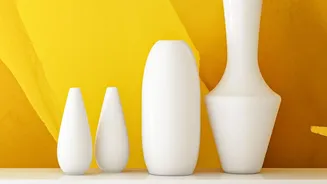
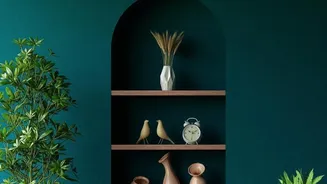
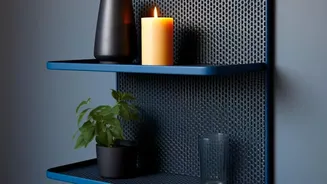
Adopting this philosophy doesn't require you to get rid of everything you love. It's about intentional editing. Start by clearing a shelf completely. Then, begin adding items back one by one, but stop before it feels full. Choose a focal point—a beautiful vase, a piece of sculpture, or a favourite book—and give it prominence. Group smaller items in threes or fives, and allow for generous gaps between these groupings. Let the shape and texture of your objects stand out against the empty space. Don't be afraid to leave a shelf partially or even entirely empty; it creates a rhythm and sense of calm. The goal is to create a dialogue between what is there and what isn't, resulting in a space that feels both personal and peaceful.