


Beyond Tea and Coffee
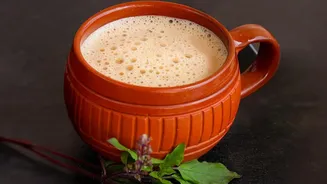
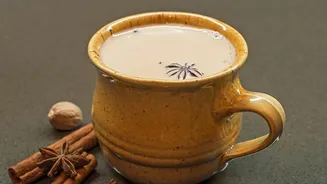
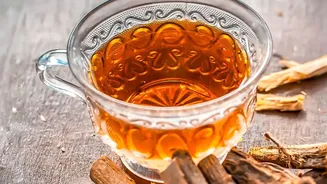
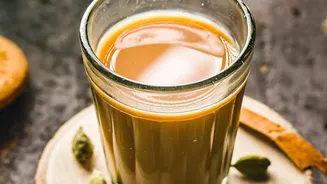
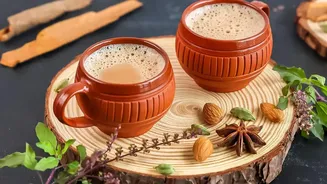
Long before the global coffee chains arrived, kitchens in South India mastered the art of the 'kashayam' or 'kaapi'. These are not teas or coffees in the conventional sense, as many contain no tea leaves or coffee beans. Instead, they are herbal decoctions,
crafted by boiling whole spices, herbs, and roots in water to extract their flavours and beneficial properties. This process creates a drink that is deeply aromatic and functions as a cornerstone of traditional home wellness, often used to soothe minor ailments and promote general wellbeing. Unlike a quick infusion, a kashayam is a slow-brewed beverage designed to be easily digestible and deliver the essence of its ingredients effectively.
Meet Sukku Malli Kaapi
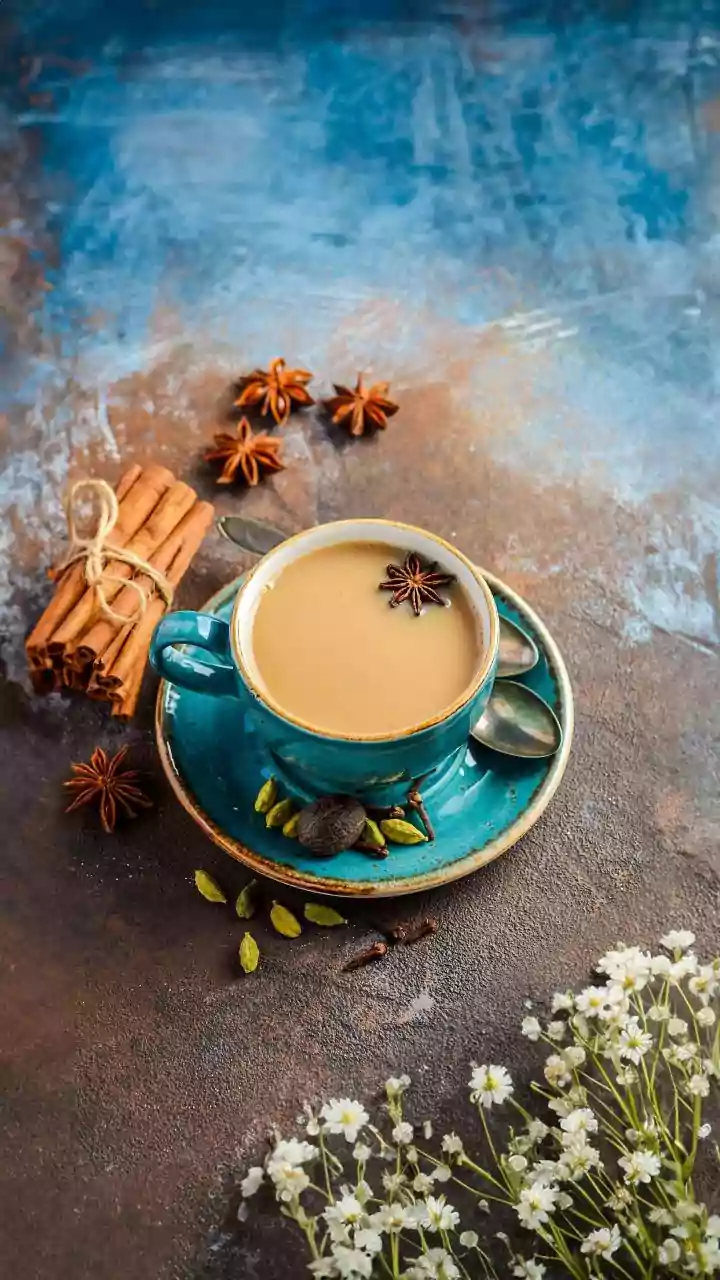
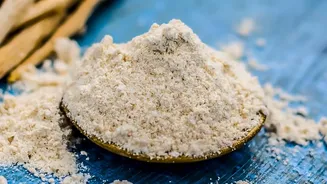
Perhaps the most beloved of these drinks is 'Sukku Malli Kaapi', which translates to 'dry ginger and coriander coffee'. Despite its name, coffee is an optional, and often omitted, ingredient. The heart of this beverage is 'sukku' (dry ginger) and 'malli' (coriander seeds), which are dry-roasted and ground with other spices like black pepper and cumin. This powder is then boiled in water and traditionally sweetened with 'karupatti' (palm jaggery), which imparts a rich, caramel-like sweetness. The resulting drink is a symphony of flavours—earthy, spicy, and sweet—that provides a warming sensation, making it a go-to remedy for colds, coughs, and indigestion.
The Power of the Spice Box
The magic of these decoctions lies in the synergy of their ingredients, many of which are staples in Ayurvedic tradition. Dry ginger is prized for its ability to aid digestion and relieve respiratory issues. Coriander seeds are known for their cooling properties and ability to support digestion. Black pepper acts as a powerful expectorant, helping to clear congestion, while cumin is celebrated for promoting healthy absorption. Other herbs like Tulsi (Holy Basil) are often added for their immune-supporting and stress-reducing qualities. Together, these spices create a beverage that does more than just taste good; it is a functional drink rooted in centuries of empirical knowledge.
A Ritual of Wellness
In many South Indian households, preparing a kashayam is a daily or weekly ritual. It is more than just a beverage; it is an act of care. It is the drink a grandmother prepares for a child with a sniffle or the comforting brew enjoyed during the monsoon season. This tradition reframes the morning drink from a simple stimulant to a holistic wellness practice. It is a moment to slow down, engage the senses with aromatic spices, and consume something that is intentionally nourishing. These drinks are seen as a way to kindle 'agni' (the digestive fire) and gently detoxify the body, setting a positive tone for the day.
Embracing the Aromatic Brew
Exploring the world of South Indian decoctions is easy. Many Indian grocery stores sell pre-made 'sukku malli' powder, which can be simply boiled with water. For a fresher experience, you can make the powder at home by dry-roasting whole coriander seeds, cumin, and peppercorns before grinding them with dry ginger powder. You can customise the blend by adding cardamom, cloves, or tulsi leaves. Start by replacing one of your weekly coffees or teas with a cup. Enjoy it not as a direct substitute, but as a different kind of morning experience—one that is gentler, more fragrant, and deeply connected to a rich cultural heritage.