



The Great Monsoon Dilemma
For most of India, the period from June to September is defined by the monsoon. While essential for agriculture and life, it’s not exactly ideal for a vacation. Treks become treacherous, beaches are battered by rough seas, and road trips can turn into
logistical nightmares. Many popular hill stations in Himachal Pradesh and Uttarakhand face risks of landslides, effectively closing them off. This annual weather pattern creates a unique challenge for summer holidaymakers: where can one go for clear skies and adventure?
Enter the Rain Shadow
The answer lies in a fascinating geographical phenomenon known as a 'rain shadow'. Imagine the mighty Himalayas as a colossal wall standing in the way of the monsoon clouds moving north from the Indian Ocean. As these moisture-laden clouds are forced to rise over the mountain range, they cool down and release their water as heavy rainfall on the southern, windward slopes. By the time this air makes it over the peaks to the other side—the leeward side—it has lost most of its moisture. This dry region, sheltered from the rains by the towering mountains, is called a rain shadow zone. Ladakh is, quite simply, India’s most dramatic and beautiful rain shadow desert.
Ladakh: The Land of High Passes
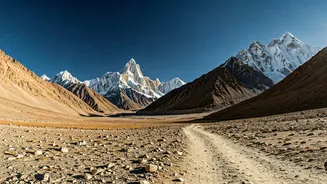
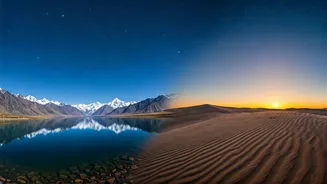
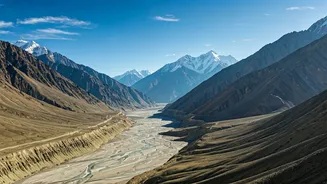
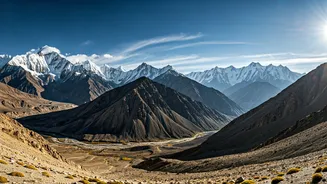
Positioned on the Tibetan Plateau, Ladakh is geographically shielded by the Great Himalayan and Zanskar ranges. This strategic location means that while the rest of the subcontinent is drenched, Ladakh experiences a dry, arid climate with brilliantly sunny days and minimal precipitation. The air is crisp, the skies are a startling shade of blue, and the dramatic, barren landscapes are fully accessible. This unique climatic advantage has turned Ladakh from a remote, high-altitude desert into the undisputed king of summer travel in India. The very forces that make it harsh and challenging in winter make it a paradise from June to August.
A Sanctuary for Adventure
This dry summer window is when Ladakh truly comes alive. The climate makes it the perfect playground for activities that are impossible elsewhere during the monsoon. Motorcyclists flock to conquer the legendary high-altitude passes like Khardung La and Chang La, free from the fear of slippery roads. Trekkers explore ancient trails through stunning valleys, from the Markha Valley trek to the journey to Stok Kangri, with clear visibility and stable ground underfoot. The Indus and Zanskar rivers offer thrilling white-water rafting opportunities. Beyond adventure, the culture blooms. Many of Ladakh's most vibrant monastic festivals, like the famous Hemis Tsechu, are scheduled during these summer months, drawing travellers into a world of colourful masked dances and ancient Buddhist traditions.
Balancing Popularity and Preservation
This climatic blessing has, unsurprisingly, made Ladakh a top-tier travel destination. The influx of tourists during its short three-month season provides a vital economic lifeline for the local population. However, this popularity comes with its own set of challenges. The fragile desert ecosystem is under increasing pressure from the demands of tourism, particularly regarding water resources. The very thing that makes Ladakh special—its pristine, untouched beauty—is at risk. Climate change is also a growing concern, with shifts in weather patterns potentially threatening the delicate balance that defines the region. The trend is clear, but so is the responsibility that comes with it.