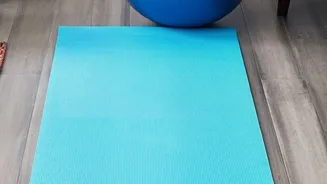








Assess Your Space and Goals
Before you start planning exercises, take a realistic look at what you have to work with. You don't need a dedicated home gym; a small, clear space in your living room or bedroom is often enough. Can you lie down and extend your arms and legs? That's
your workout zone. Next, clarify your goals. Are you looking to maintain cardiovascular health, build strength, improve flexibility, or simply stay active and destress? Knowing your objective will help you choose the right mix of exercises for your backup plan.
The Three Pillars: Cardio, Strength, and Flexibility
A well-rounded indoor workout plan should incorporate three key elements. First is cardiovascular exercise, which gets your heart rate up. Second is strength training, which builds and maintains muscle. Third is flexibility and mobility, which prevents injury and improves range of motion. Your indoor plan should ideally touch on all three components throughout the week, ensuring you get a balanced workout that mimics the benefits of your outdoor activities.
Cardio Without the Pavement
You don't need a treadmill to get your heart pumping. High-Intensity Interval Training (HIIT) is perfectly suited for small spaces and is incredibly efficient. A HIIT workout involves short bursts of intense exercise followed by brief rest periods. Simple, no-equipment cardio moves include jumping jacks, high knees, butt kicks, spot jogging, and mountain climbers. Even dancing to your favourite music or climbing the stairs in your building can be excellent cardio sessions. The key is to elevate your heart rate for a sustained period.
Build Strength with Your Own Bodyweight
Bodyweight exercises are a powerful and convenient way to build strength without any equipment. These movements use your own body as resistance. Foundational exercises for a full-body workout include squats, which target your lower body; push-ups, for your chest, shoulders, and triceps; and planks, which are fantastic for core stability. Other effective moves to include are lunges for balance and leg strength, and bridges to activate your glutes and lower back.
Don't Forget to Stretch and Cool Down
Rainy days can be a great opportunity to focus on flexibility. Incorporating yoga or simple stretching into your routine can improve mobility, reduce stress, and aid muscle recovery. There are countless free guided yoga sessions online for all levels. Focus on basic poses like Cat-Cow, Downward Dog, and Child's Pose to gently stretch your body. Always end your workouts with a five-minute cool-down, holding gentle stretches for major muscle groups to prevent stiffness.
Putting It All Together: Your Weekly Plan
Consistency is more important than intensity, especially when you're starting a new routine. Try creating a simple schedule. You might alternate days, for example: Monday (HIIT Cardio), Tuesday (Strength), Wednesday (Yoga/Flexibility), Thursday (HIIT Cardio), Friday (Strength), and take the weekend for active recovery like light stretching or a long walk if the weather permits. A 20-30 minute session is all you need to start. The most important step is to set a time, choose your workout in advance, and stick to it as you would any other appointment.