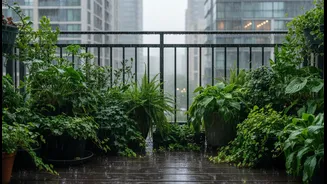




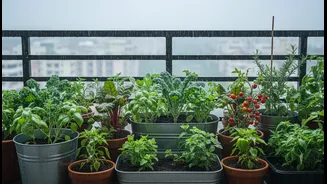
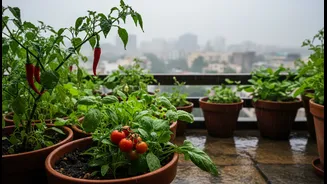


Why Monsoon is a Gardener’s Best Friend
The monsoon season provides ideal conditions for starting a garden. The consistent moisture reduces the need for constant watering, while the moderate temperatures and high humidity are perfect for seed germination and healthy plant growth. This natural
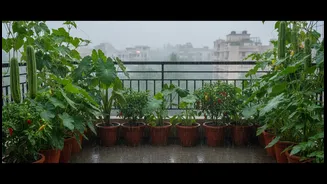
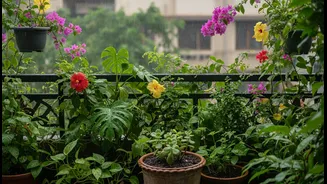
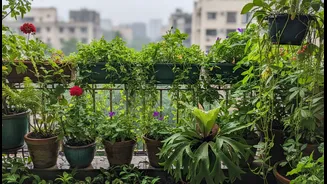
irrigation, combined with cooler air, creates a nurturing environment for many plants to thrive, making it the easiest time of year for beginners to start growing. The soft, damp soil is also easier to work with, allowing roots to establish themselves quickly. Imagine the simple joy of stepping out onto your balcony to the scent of wet earth and flourishing greenery.
Choosing Your Monsoon Champions
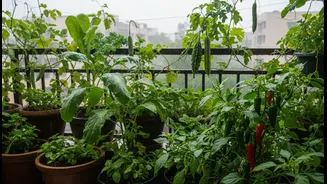
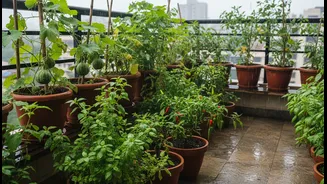
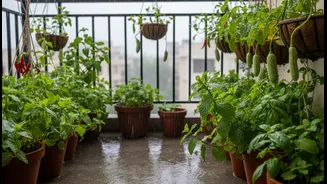
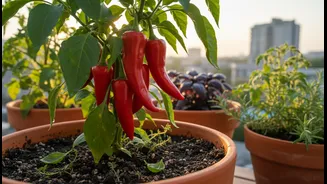
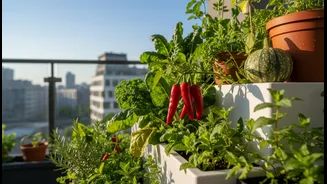
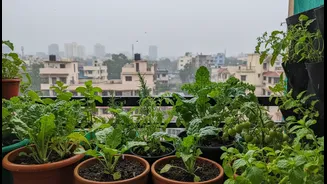
Certain plants absolutely flourish in the damp and humid conditions of the Indian monsoon. For a rewarding harvest, focus on varieties that are known to perform well this season. Leafy greens like spinach (palak), amaranth, and coriander grow quickly and can be harvested multiple times. Gourds are classic monsoon champions; varieties like bottle gourd (lauki), ridge gourd (turai), and bitter gourd (karela) grow vigorously, though they will need a trellis or support to climb. For a bit of spice, green chillies are an excellent choice for pots, as they thrive in the humidity. Don't forget herbs—mint, holy basil (tulsi), and lemongrass do exceptionally well, providing fresh flavours for your kitchen.
The Right Home for Your Plants
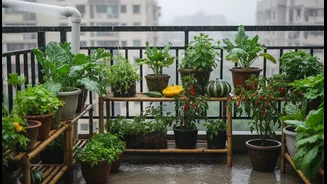
The single most important factor for success in monsoon gardening is proper drainage. Constant rain can quickly lead to waterlogged soil, which suffocates roots and causes them to rot. Ensure every pot, grow bag, or container has ample drainage holes at the bottom. It's also a wise practice to elevate your pots using bricks, wooden blocks, or pot feet. This small gap allows excess water to drain away freely and prevents the drainage holes from getting blocked, ensuring roots get the oxygen they need to survive heavy downpours. For vining plants like gourds, choose larger, deeper containers to support their growth.
Perfecting Your Potting Mix
Standard garden soil can become compacted and waterlogged during heavy rains. For container gardening, a well-draining potting mix is essential. Create a blend of garden soil, cocopeat (for moisture retention without sogginess), and compost (for nutrients). Some gardeners also add coarse sand or perlite to the mix to improve aeration and ensure water passes through easily. This balanced mixture provides structure, nutrition, and the excellent drainage your plants will need to withstand the wet conditions of the monsoon without developing root rot. Loosening the top layer of soil occasionally also helps with aeration and water absorption.
Essential Monsoon Care
While the rains will do most of the watering, some care is still required. The biggest mistake is to overwater. Always check the soil before adding more water; if the top inch feels moist, hold off. High humidity can also encourage fungal diseases and pests. To manage this, ensure good air circulation by not overcrowding your pots. A preventative spray of neem oil solution every 10-15 days can help keep common pests like aphids and mealybugs at bay. Also, remember to prune any yellowing leaves or damaged stems to keep the plant healthy and redirect its energy towards new growth.