


The Power in Your Coffee Cup
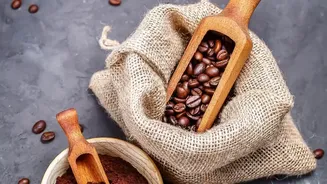
Your morning coffee ritual can extend its benefits straight to your garden. Used coffee grounds are a fantastic source of nitrogen, a crucial element for lush plant growth. Contrary to popular belief, used grounds are not highly acidic; the brewing process
neutralizes much of the acidity, leaving them with a near-neutral pH that is safe for most garden plants. They also improve soil structure, help retain moisture, and attract beneficial earthworms that aerate the soil naturally. While you can sprinkle them directly onto your soil in thin layers and mix them in, their true power is unlocked when they are properly composted.
Understanding 'Greens' and 'Browns'
Successful composting relies on balancing two types of materials: 'greens' and 'browns'. 'Greens' are nitrogen-rich materials that provide the protein for microorganisms to grow and multiply. This category includes your coffee grounds, fruit and vegetable scraps, tea bags (staples removed), and fresh grass clippings. 'Browns' are carbon-rich materials that serve as an energy source for these microbes and provide bulk to keep the pile aerated. Common 'browns' include dried leaves, shredded newspaper or cardboard, straw, and small twigs. The colour is just a nickname; for instance, coffee grounds are physically brown but are considered a 'green' in composting because of their high nitrogen content.
Getting the Balance Right
The key to a fast, efficient, and odour-free compost pile is the carbon-to-nitrogen (C:N) ratio. The ideal target is roughly two to three parts 'brown' materials for every one part 'green' material by volume. Too much nitrogen (greens) can lead to a slimy, smelly pile, while too much carbon (browns) will slow decomposition to a crawl. You don’t need a scientific calculator; a simple layering approach works perfectly. Start your compost pile or bin with a layer of bulky browns for aeration, then alternate between thin layers of greens and thicker layers of browns. Always end with a layer of browns on top to prevent odours and deter pests.
What to Leave Out of the Bin
While most plant-based kitchen waste is excellent for compost, some items should be avoided. Do not add meat, fish, bones, dairy products, or oily and greasy foods to your backyard compost pile. These materials can create foul odours, attract unwanted pests like rodents, and slow down the decomposition process. It's also wise to limit the amount of cooked foods with heavy salts or sauces. While things like citrus peels and onions are compostable, add them in moderation as large quantities can be disliked by the earthworms you want to attract.
From Scraps to 'Black Gold'
Maintaining your compost pile is simple. Keep it about as moist as a wrung-out sponge, adding a bit of water if it gets too dry. Turning the pile with a garden fork every week or two will introduce air, which is essential for the aerobic microbes doing the hard work. This also helps distribute moisture and heat. Depending on the materials and management, you can have finished compost in a few months. You'll know it's ready when it looks and smells like rich, dark, earthy soil and you can no longer identify the original food scraps. This finished compost, often called 'black gold' by gardeners, is a powerhouse of stable nutrients.
Putting Your Compost to Work
Once your compost is ready, it's time to feed your garden. You can use it in several ways. As a soil amendment, mix a few inches of compost into the top six to nine inches of your garden beds before planting. This improves soil structure, whether you have heavy clay or fast-draining sand. It also enhances water retention, meaning you'll need to water less frequently. You can also use it as a mulch by spreading a three-inch layer on the soil surface around your plants, which helps suppress weeds and provides a slow release of nutrients throughout the growing season.