



The Urban Coffee Problem
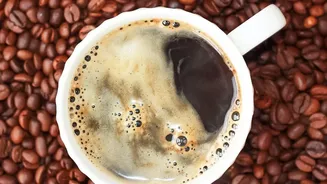
Cities across India and the world run on coffee. From bustling cafes in Mumbai to office pantries in Bengaluru, the consumption is immense. With every cup of freshly brewed coffee, a dense, nutrient-rich byproduct is left behind: spent coffee grounds.
Historically, this organic matter has been treated as waste, destined for already overflowing landfills where it decomposes and releases methane, a potent greenhouse gas. For years, the question has been what to do with this abundant, centrally located waste stream. Now, a growing number of entrepreneurs have found an elegant and delicious answer in the form of urban mycology, the practice of cultivating fungi in cities.
From Waste to Wonderfood
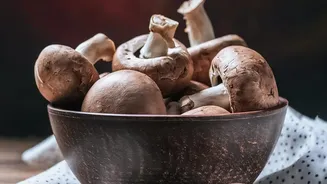
The process at the heart of these startups is surprisingly simple and mimics a natural cycle. Spent coffee grounds, which are incidentally pasteurised during the brewing process, provide a near-perfect, nutrient-rich base for growing certain types of mushrooms. Oyster mushrooms, in particular, thrive on the lignocellulose and nitrogen found in coffee waste. Startups collect grounds from local cafes, often by bike to minimise their carbon footprint. This scrap is then mixed with mushroom spawn—essentially the root structure of the fungus, called mycelium—and packed into bags or buckets. These are kept in controlled, humid environments, which can be anything from a shipping container to a repurposed basement.
The Rise of the Mycelium
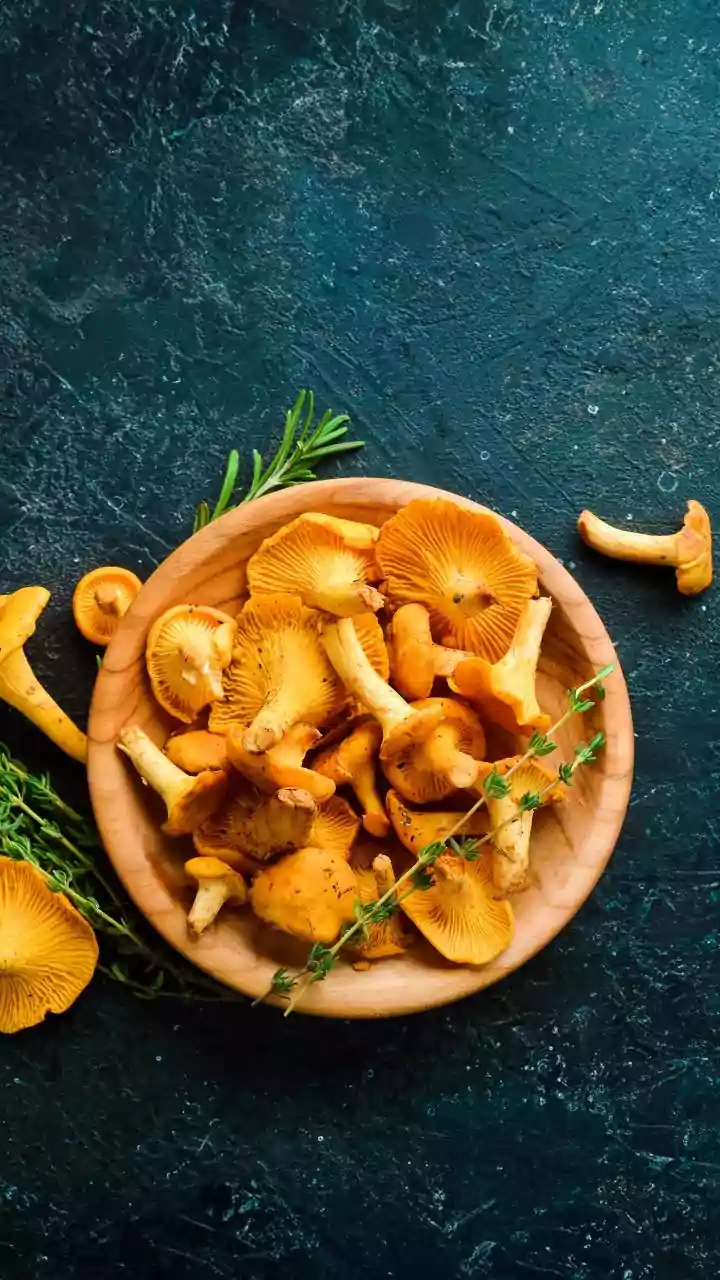
Within a few weeks, the white, thread-like mycelium fully colonises the coffee grounds, breaking them down and absorbing their nutrients. Soon after, small mushroom pins begin to emerge, which can double in size daily until they are ready for harvest. The result is a crop of fresh, gourmet mushrooms grown hyper-locally, with minimal water, energy, and space requirements. This closed-loop system not only diverts significant amounts of waste from landfills but also creates a fresh, protein-rich food source right where people live, drastically reducing food miles and strengthening local food security. These operations effectively become 'circular protein hubs', taking a waste product from one urban industry and converting it into a valuable input for another.
More Than Just Mushrooms
The circularity doesn't stop at the mushroom harvest. Once the mycelium has exhausted the nutrients in the coffee grounds, the leftover substrate is far from useless. This final byproduct is a nutrient-rich compost, which can be used to enrich urban gardens and farms, further improving soil quality. Some innovative companies are taking it a step further. The mycelium that binds the grounds together can be heat-treated to create biodegradable materials that serve as sustainable alternatives to polystyrene packaging and insulation boards. This demonstrates the potential for a single waste stream to fuel multiple value chains, from food to biomaterials.
The Indian Opportunity
For a country like India, with its rapidly growing urban population and vibrant cafe culture, this model holds immense promise. India generates millions of tonnes of agricultural residue annually, and urban organic waste is a major challenge for municipalities. Mycology startups offer a decentralised, scalable solution that can create green jobs, reduce pollution from waste, and produce nutritious food. While the movement is more established in Europe and North America, with companies like PermaFungi in Brussels leading the way, the low-tech, low-cost nature of the business makes it a powerful opportunity for Indian entrepreneurs looking to make a social and environmental impact. Startups like Loopworm are already working on using waste to create protein, signalling a growing interest in circular economy models in the country.