





1. Mindful Eating Over Mindless Scrolling
In a world of constant distraction, one of the most powerful eating habits is simply paying attention. Mindful eating is the practice of being fully present with your food—noticing its colours, smells, textures, and tastes. This is the opposite of eating while
scrolling through your phone, watching TV, or working at your desk. Research shows that when we eat mindfully, we not only enjoy our food more, but we also become more attuned to our body's natural hunger and fullness cues. This often leads to better portion control without the stress of counting calories. It helps improve digestion and can reduce episodes of overeating by allowing your brain the 20 minutes it needs to register that you're full.
2. Prioritise Protein and Fibre at Every Meal
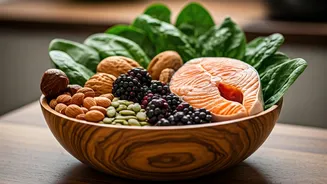
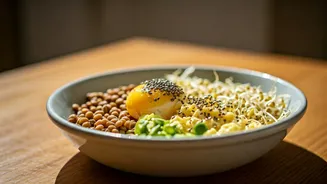
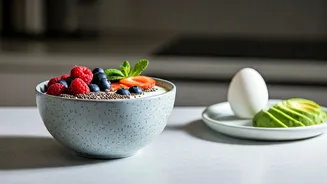
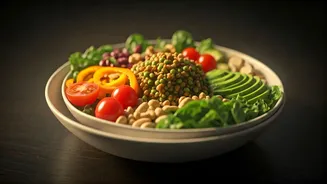
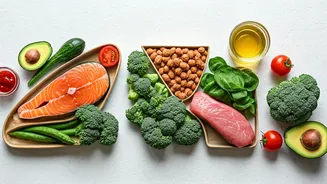
If you want to feel full, focused, and satisfied, protein and fibre are your best friends. These two nutrients are champions of satiety, the feeling of fullness that keeps you from reaching for unhealthy snacks an hour after your meal. Protein is essential for building and repairing tissues, while fibre is crucial for digestive health and stabilising blood sugar levels. Instead of building your plate around simple carbohydrates, start with a source of protein (like dal, paneer, eggs, chicken, or fish) and a generous portion of fibre-rich vegetables. This simple switch can transform your energy levels, curb cravings, and support your overall metabolic health.
3. Hydration Is a Non-Negotiable Habit
The signals for thirst and mild hunger are surprisingly similar, and our brains often confuse the two. Before you reach for a snack, try drinking a glass of water and waiting 15 minutes. You might find that you were just dehydrated. Proper hydration is fundamental for everything from metabolism and energy levels to skin health and cognitive function. A smart and simple habit is to start your day with a large glass of water to rehydrate after sleeping. Keep a reusable water bottle with you throughout the day as a visual reminder. Your body works better when it’s well-oiled, and water is the most essential lubricant you have.
4. Embrace the 80/20 Rule for Sanity
Perfection is the enemy of progress, especially when it comes to food. The all-or-nothing approach of many diets is why they so often fail. The 80/20 rule offers a sustainable and much saner alternative. The concept is simple: aim to eat nutritious, whole foods 80% of the time, and allow yourself to enjoy your favourite treats, guilt-free, the other 20% of the time. This flexibility prevents the feeling of deprivation that can lead to bingeing. It acknowledges that food is also a source of pleasure and part of our social culture. A healthy lifestyle has room for a piece of cake at a birthday party or a serving of your favourite street food.
5. Think Addition, Not Subtraction
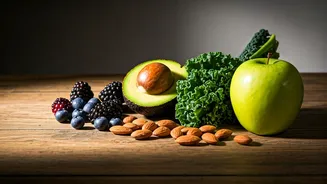
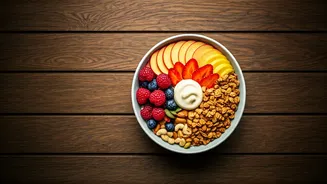
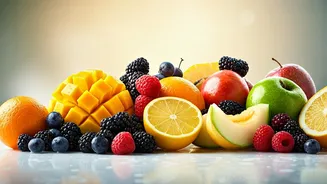
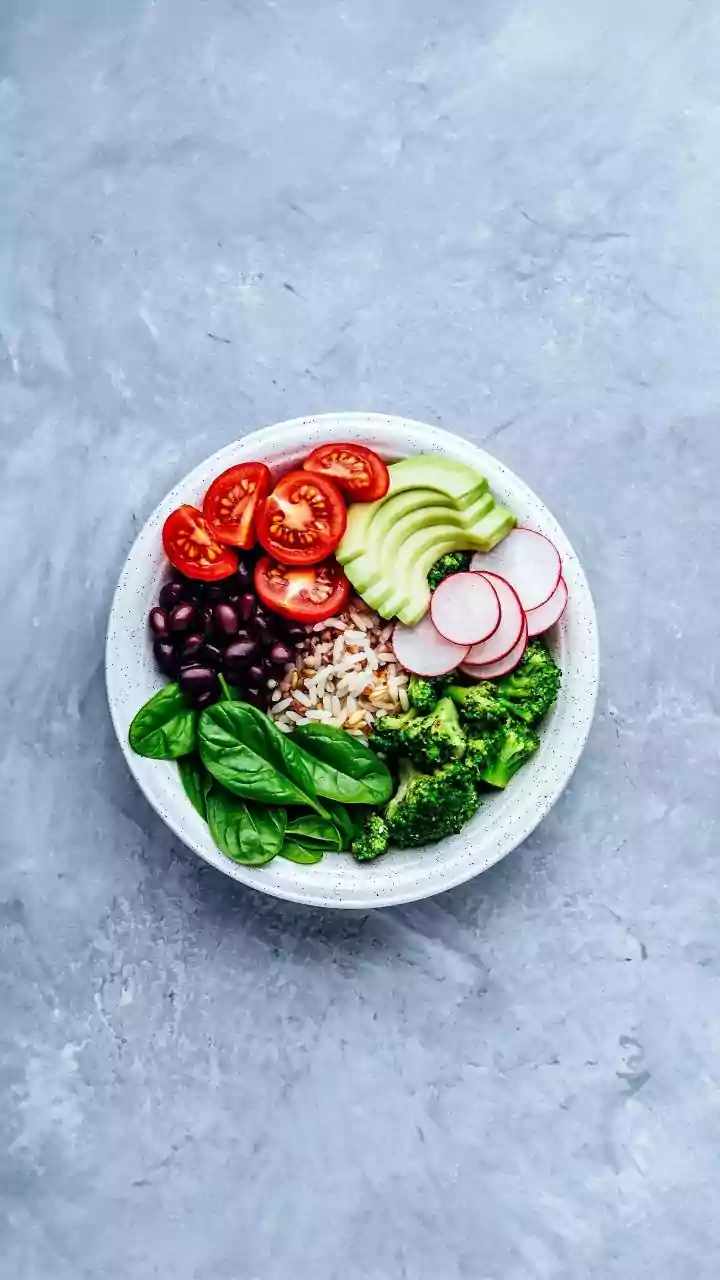
Diet culture often programs us to think about what we need to cut out: no sugar, no carbs, no fat. This restrictive mindset can create anxiety and a negative relationship with food. A more powerful and positive habit is to focus on what you can *add* to your plate. Instead of forbidding rice, think about adding a large serving of stir-fried vegetables to your meal. Instead of skipping dessert, add a bowl of fresh fruit. This approach, known as 'crowding out', naturally reduces your intake of less nutritious foods because you’re filling up on the good stuff. It makes healthy eating feel abundant and enjoyable, not like a punishment.
6. Master a Few Simple Home-Cooked Meals
You don't need to be a gourmet chef to take control of your health. Simply cooking more meals at home is one of the most impactful habits you can adopt. When you cook, you control the ingredients, meaning you can limit the excess salt, unhealthy oils, and hidden sugars often found in restaurant meals and processed foods. You also control the portion size. Start by mastering three to five simple, delicious, and healthy recipes you can rely on during a busy week. Think one-pot dal, a quick sabzi, or a simple chicken curry. The confidence you gain in the kitchen will empower you to make healthier choices consistently.