



Beyond the Protein Bar
For years, the term 'healthy snack' in India was almost synonymous with protein. Fuelled by a burgeoning fitness culture, protein bars and shakes became the go-to for the health-conscious consumer. Reports showed a massive 86% of Indians considered protein an important
factor when choosing snacks. But as the market matures, a more nuanced understanding of wellness is taking hold. While protein still accounts for a significant share of the functional snack market, the real growth story is in the diversification of benefits. Consumers are now looking for snacks that work harder, offering targeted support for everything from mental clarity to digestive well-being. This shift marks the second wave of the functional food movement, moving beyond muscle repair and into holistic health management.
The New Functional Pantry
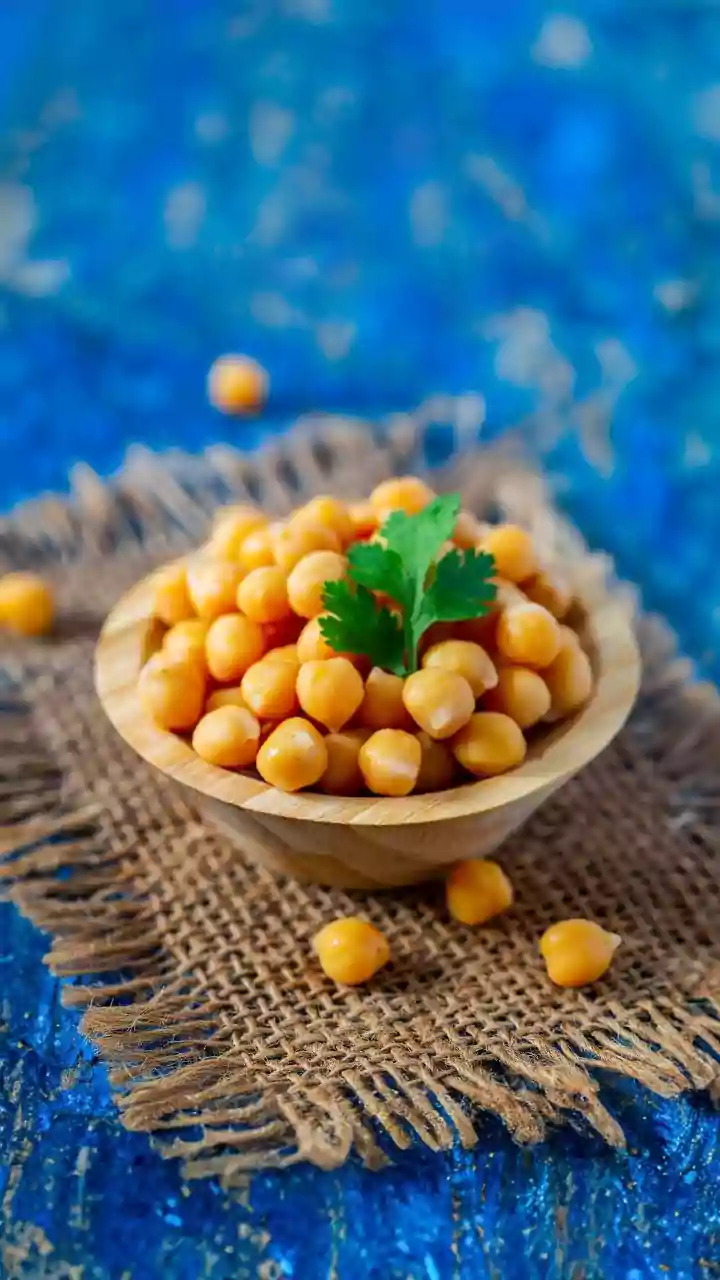
So, what do these new-age snacks promise? The focus has expanded dramatically. Gut health is a major driver, with a rising demand for products rich in fibre and probiotics, like granola bars, millet-based snacks, and roasted chickpeas. Brands are also tapping into the need for stress management and cognitive support. Ingredients that fall under the 'adaptogen' category are appearing in everything from nutrition bars to cookies. Furthermore, the collective experience of the pandemic has placed a huge emphasis on immunity, leading to snacks fortified with vitamins, antioxidants, and traditional immunity-boosting ingredients. This has created a market where you can find a snack to help you focus at work, another to aid digestion, and a third to help you unwind in the evening.
Ancient Wisdom in a Modern Wrapper
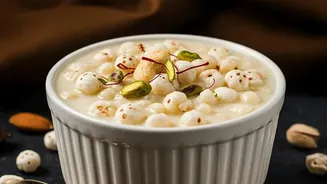
What makes this trend distinctly Indian is the seamless integration of traditional Ayurvedic wisdom into convenient, modern formats. Ingredients that have been staples in Indian households for centuries are being rediscovered and marketed as superfoods. Turmeric, ashwagandha, moringa, brahmi, and amla are no longer just for home remedies; they are key selling points for snack bars, seed mixes, and breakfast pots. Makhana (fox nuts), once a humble fasting food, is now a mainstream, flavoured snack celebrated for being a low-fat, nutrient-rich alternative to fried chips. This fusion allows brands to offer the perceived benefits of ancient nutritional science in a package that fits the fast-paced, urban lifestyle.
Meet the Conscious Snacker
The driving force behind this boom is a new kind of consumer: informed, discerning, and digitally native. Predominantly urban millennials and Gen Z, these shoppers are more concerned with clean labels and ingredient transparency than with celebrity endorsements. They read the back of the pack, value natural ingredients like jaggery over refined sugar, and are willing to pay a premium for products that align with their health and wellness goals. The rise of e-commerce and direct-to-consumer (DTC) brands has been a crucial enabler, giving these smaller, innovative companies a direct channel to their target audience and bypassing the crowded shelves of traditional retail. This consumer is not just buying a snack; they are investing in their well-being, one guilt-free bite at a time.