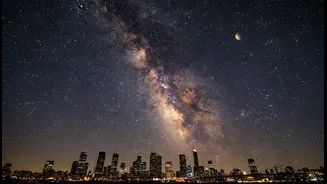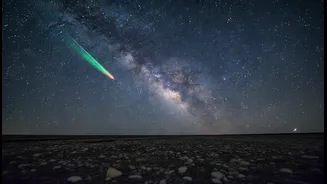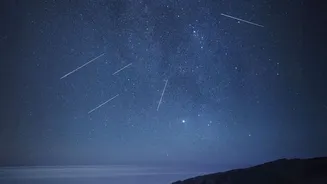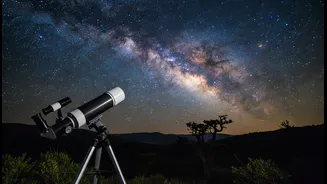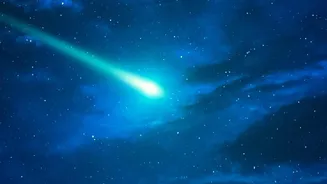


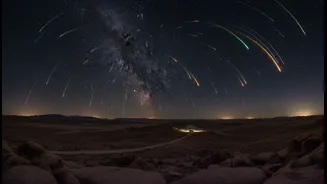
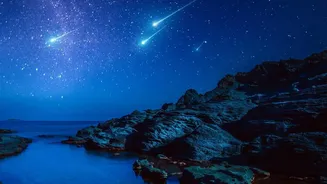
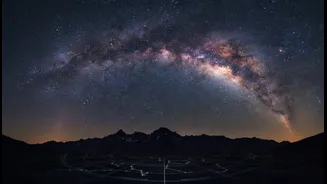
Timing Your Celestial Show
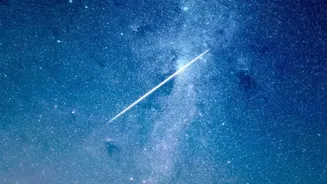
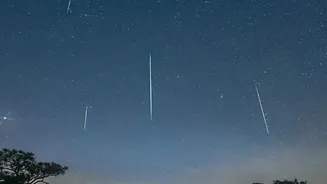
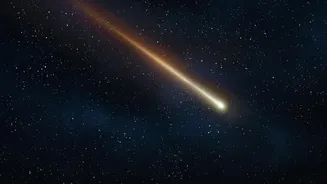
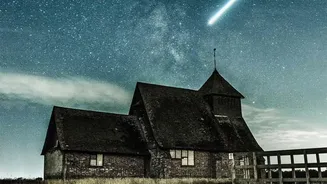
The night sky is a busy place, and meteor showers are regular visitors. For India, two notable summer events are the Southern Delta Aquariids and the famous Perseids. The Delta Aquariids are active from mid-July to late August, peaking around July 30-31,
2026. This year, however, a bright moon will make viewing difficult. The main event is the Perseid meteor shower, active from July 17 to August 24. The Perseids are one of the most popular and reliable showers, known for bright, fast meteors. In 2026, the peak occurs on the night of August 12-13, which conveniently coincides with a new moon, promising ideal dark-sky conditions for a spectacular show. Planning to watch during this peak window dramatically increases your chances of seeing a high rate of meteors, potentially up to 90 per hour in a dark location.
Your Digital Stargazing Toolkit
Your smartphone is the most powerful tool for planning your meteor-watching adventure. A good astronomy app can tell you what's visible, when to look, and where to go. Here are a few of the best options available today: Stellarium Mobile: Often considered the gold standard, Stellarium offers a highly detailed and accurate map of the sky. You can point your phone at the sky to identify stars, constellations, and planets in real-time. It’s excellent for finding a meteor shower's radiant—the point in the sky from which the meteors appear to originate. The free version is incredibly powerful for most users. SkyView Lite or Star Walk 2: Both apps are fantastic for beginners and offer a user-friendly, augmented-reality (AR) experience. Simply point your phone at the sky, and the app overlays information on what you're seeing. Star Walk 2 is particularly known for its beautiful artistic renderings of constellations and its time-machine feature to see the sky at a future date. They also send notifications for celestial events, including meteor shower peaks. Light Pollution Map Apps: Apps like Light Pollution Map (for iOS and Android) or sites like Dark Sky Finder are essential for city dwellers. They use map overlays to show you where the darkest skies are, helping you escape the glow of urban areas. Planning a short drive to a 'green' or 'blue' zone on the map can mean the difference between seeing a handful of meteors and seeing dozens.
Find the Perfect Viewing Spot
The single biggest obstacle to a great meteor shower experience is light pollution. City and suburban skies are washed out by artificial light, hiding all but the brightest meteors. Use a light pollution map app to locate a park, rural area, or designated dark-sky spot. Look for a location with a wide, unobstructed view of the sky, away from trees and buildings. While you don’t need to stare directly at the shower's radiant (meteors can appear anywhere in the sky), having a clear view in that general direction helps. For the Perseids, the radiant is in the constellation Perseus, which rises in the northeast. The best viewing time is generally after midnight and before dawn, when the radiant is highest in the sky.
Go Low-Tech for the Main Event
Once you've used your apps to plan your outing, it’s time to put the technology away. The bright screen of a phone can ruin your night vision, which takes about 20-30 minutes to fully adapt to the dark. Set your phone to night mode (with a red filter if possible) for quick checks, but try to avoid using it altogether. Comfort is key, as you'll be looking up for a long time. Bring a reclining chair or a thick blanket to lie on. Pack warm clothing, even on a summer night, as temperatures can drop in the early morning hours. Snacks and a warm drink can make the experience more enjoyable. Patience is crucial; meteors often come in spurts with lulls in between, so give yourself at least an hour of dedicated watching time.