

The Non-Metro Advantage: Your Clear Sky Superpower
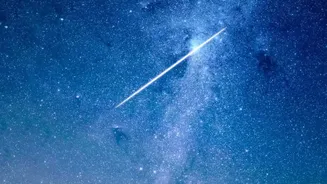
In major Indian cities, the combined glow of streetlights, buildings, and advertising creates a phenomenon called light pollution. This ambient brightness washes out all but the brightest stars and planets, making most celestial events invisible. A meteor
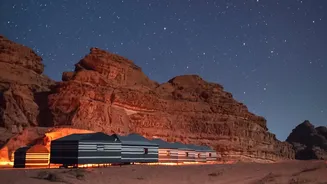
that would be a clear streak of light in a dark sky simply vanishes against the urban glow. This is where living in a smaller town, village, or rural area becomes a massive advantage. Your access to darker skies is a superpower. Finding a truly dark spot often requires nothing more than a short drive or even a walk to the edge of your town, away from the main bazaar or highway. Mountains and hills can also act as natural barriers, blocking the glow from distant towns and creating pockets of perfect darkness. This direct access to a clearer cosmos is something city dwellers can only dream of.
A Tale of Two Celestial Shows
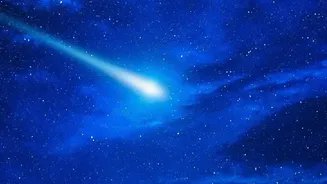
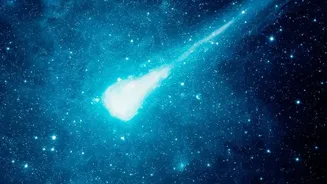
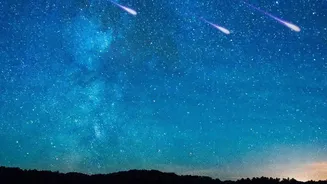
The meteor showers mentioned in the headline, the Perseids and the Orionids, are annual events with fascinating origins. They are not falling stars, but tiny particles of cosmic dust burning up in our atmosphere. Each shower is caused by the Earth passing through the debris trail left behind by a comet. The Perseids, which peak every August, are remnants of Comet Swift-Tuttle. They are famous for being bright and numerous. The Orionids, which arrive in October, are born from the most famous comet of all: Halley's Comet. Watching these showers is like witnessing tiny, glittering pieces of a celestial wanderer that last visited our skies in 1986.
A Look Back: The Great Perseid Show of August 2026
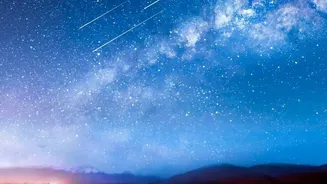
This past August offered a reminder of what perfect conditions can look like. The Perseid meteor shower peaked on the nights of August 12th and 13th under a new moon, which meant the sky was completely dark and free of moonlight. For those with clear skies, it was the best Perseid shower in years, with the potential to see up to 100 meteors an hour from a dark location. The main obstacle for many across India was the monsoon. Heavy cloud cover obscured the show for much of the country. However, viewers in the rain-shadow regions like Ladakh, Spiti Valley, and parts of Rajasthan had a front-row seat to the spectacular display, proving that location is everything.
Mark Your Calendar: The Orionids Arrive in October
If you missed the Perseids due to clouds, your next great opportunity is just around the corner. The Orionid meteor shower will peak on the night of October 21-22, 2026. While not as numerous as the Perseids, the Orionids can produce a steady 15 to 25 meteors per hour from a dark site. The best part about the 2026 Orionids is the viewing conditions. Although the moon will be bright earlier in the evening, it sets between 1:00 AM and 3:00 AM, leaving the prime viewing hours before dawn perfectly dark. This makes it one of the best years in a decade to watch for Halley's Comet's dusty trail. The meteors will appear to radiate from the constellation of Orion the Hunter, but you don't need to be an expert to see them; they can streak across any part of the sky.
Your Ultimate Meteor Spotting Guide
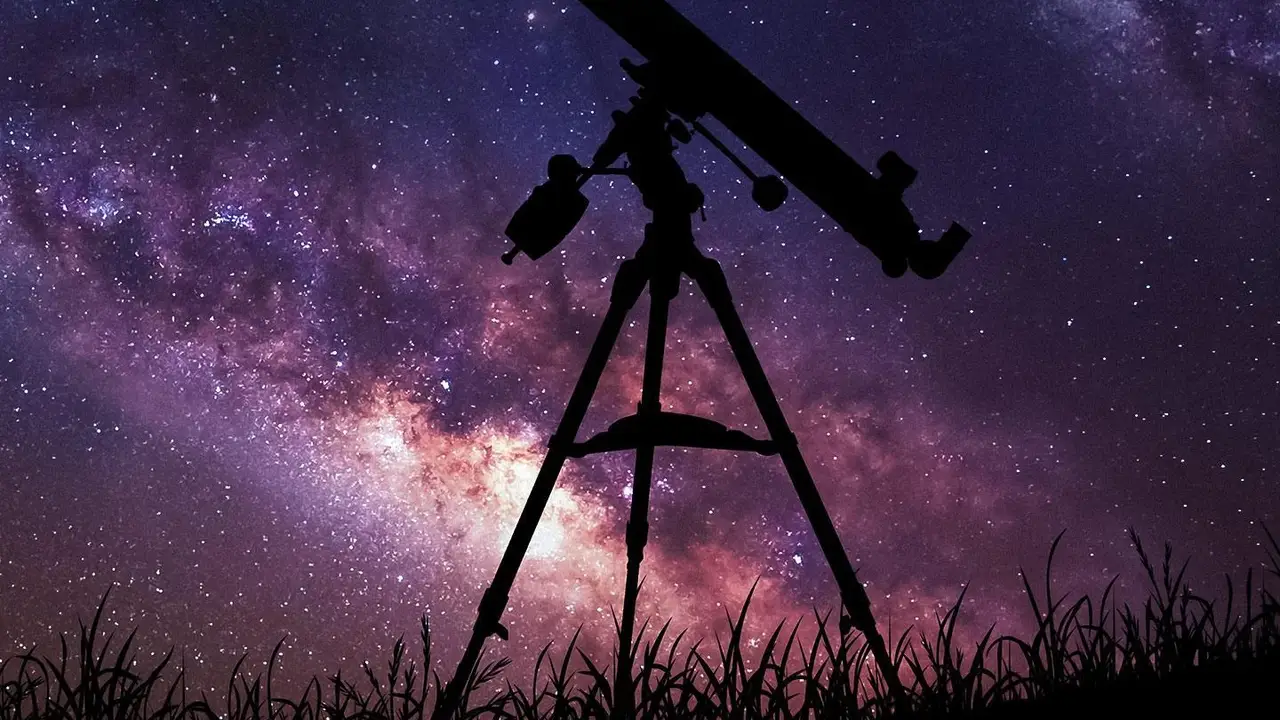
You don't need expensive equipment to enjoy a meteor shower. In fact, telescopes are not recommended as their field of view is too narrow. Your eyes are the only tool you need. First, find a safe, dark spot with a wide-open view of the sky, away from direct lights. Second, get comfortable. A reclining chair, a blanket, or a 'chatai' on the ground works perfectly, allowing you to look straight up without straining your neck. Third, give your eyes at least 20 to 30 minutes to fully adapt to the darkness. This is crucial. Avoid looking at your bright phone screen, as it will reset your night vision instantly. Finally, be patient. Meteors often come in spurts, with quiet moments in between. Settle in, enjoy the quiet of the night, and wait for the show to begin.