





Timing Is Everything
The single most important decision for a safe Ladakh trip is when you go. The main window for road travel is from June to September. However, the monsoon months of July and August bring increased landslide risk on the access highways, even though Ladakh itself
is a rain-shadow region with minimal rainfall. During these months, heavy rains in Himachal Pradesh and Kashmir can trigger slides, causing significant road blockages. For the safest journey, plan your trip for June or from late September to early October. In June, the roads have just opened after winter, and while some snow may remain, the monsoon risk is low. Post-monsoon, in September, the roads have often been repaired from rain damage, and the landscape is vibrant.
Choose Your Route Wisely
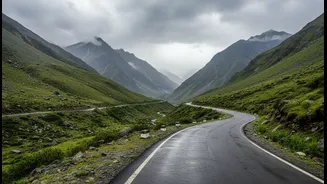
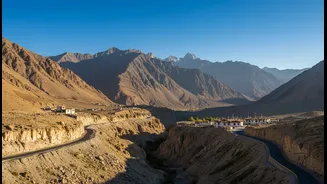
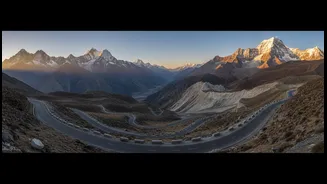
You have two primary road options to reach Leh: the Manali-Leh Highway and the Srinagar-Leh Highway. For safety and acclimatization, the Srinagar-Leh route is widely considered superior for the journey into Ladakh. It has a more gradual ascent, which helps your body adjust to the high altitude, reducing the risk of Acute Mountain Sickness (AMS). While it has its own tricky section at Zoji La Pass, the overall road condition is generally better. The Manali-Leh highway is more adventurous and scenically dramatic, crossing several very high passes, but it's also more rugged and prone to landslides and rough patches, especially during the monsoon. A popular and safer strategy is to take the Srinagar-Leh highway to enter Ladakh and use the Manali-Leh route for your return journey, by which time you will be fully acclimatized.
Stay Updated on Road Conditions
The Himalayas are unpredictable, and road conditions can change in an instant. Before and during your trip, make it a habit to check for the latest updates. The Border Roads Organisation (BRO), which builds and maintains these strategic highways, is your most reliable source. They often post updates on social media and their official channels about road closures and snow-clearing operations. Local police traffic advisories and dedicated online travel forums for Ladakh are also invaluable resources for real-time information from fellow travellers. Always have buffer days built into your itinerary. An extra day or two can absorb any delays caused by landslides without forcing you to rush or take risks.
Vehicle and Driver Preparedness
Your vehicle is your lifeline on this journey. A high-ground-clearance vehicle, preferably a 4x4, is highly recommended. Ensure it's in excellent mechanical condition before you start. If you’re hiring a vehicle, opt for a local, experienced driver. They are accustomed to the treacherous terrain, know the risky zones, and are often better at navigating challenging situations and finding alternative routes if needed. Their experience is an invaluable safety asset. Do not attempt to drive at night; the risks from poor visibility, changing weather, and unseen obstacles are simply too high.
Pack an Emergency Kit
Even with the best planning, you could get stranded for hours or even a day. Your car should be equipped with an emergency kit. This includes essentials like a comprehensive first-aid kit, any personal medications, extra drinking water, and high-energy dry foods like biscuits, nuts, and chocolate bars. Also pack extra warm layers, blankets, a powerful torch, a power bank for your phone, and a basic toolkit for your vehicle. Since ATMs are scarce outside of Leh and Kargil, always carry sufficient cash.
What to Do If You Face a Landslide
If you encounter a landslide, the first rule is not to panic. Do not attempt to cross it, even if it looks small. The ground can be unstable, and more debris could fall. If you are in your vehicle, reverse to a safe distance away from the immediate slide zone. Assess the situation and try to alert authorities or other drivers. Often, you will have to wait for the BRO to arrive and clear the debris. This is where your emergency supplies and buffer days become crucial. Listen to instructions from officials on site. Their priority is to ensure everyone's safety before clearing the road for traffic.