





Set The Stage Before You Leave
A good night's sleep starts long before your head hits the pillow. Preparing your body for a late night can make a significant difference in how you feel later. Start hydrating early in the day by drinking plenty of water. Before heading out, eat a balanced
meal that includes protein, healthy fats, and complex carbohydrates. Food helps slow the absorption of alcohol into your bloodstream, preventing you from feeling the effects too quickly and too intensely. A solid meal provides a foundation that supports your body through the night. Also, take a moment to prepare your bedroom. Make your bed so it's inviting when you return, and ensure you have a glass of water waiting on your nightstand. A cool, dark, and quiet room is your best ally for quality sleep, so draw the curtains and set the thermostat to a comfortable, slightly cool temperature.
Navigate The Night Wisely
While you're enjoying the festivities, a few smart choices can prevent a world of hurt later. The golden rule is to alternate every alcoholic drink with a glass of water. This simple habit keeps you hydrated and naturally paces your alcohol consumption. Alcohol is a diuretic, meaning it causes your body to lose fluid, and staying hydrated is the most effective way to counteract this. Be mindful of sugary mixers and caffeine-laden drinks, as both can interfere with sleep. If possible, try to have your last alcoholic beverage at least three to four hours before you plan to go to sleep. This gives your body time to start processing the alcohol, reducing its disruptive effect on your sleep cycle later in the night. While alcohol might make you feel drowsy initially, it ultimately leads to more fragmented and less restorative sleep as your body metabolizes it.
The Crucial Post-Party Wind-Down
When you get home, resist the urge to flop directly into bed. A brief but intentional wind-down routine can dramatically improve your sleep quality. First, rehydrate. Sip a glass of water or an electrolyte drink to replenish lost fluids and minerals. Avoid chugging a large amount of water right before bed, as this can lead to disruptive bathroom trips during the night. Next, have a light, smart snack if you're hungry. Opt for something with fiber, like whole-grain crackers, or a piece of fruit. Foods like bananas are rich in potassium, an electrolyte often depleted by alcohol. Avoid heavy, greasy, or spicy foods, which can cause indigestion and further disrupt your sleep. This is also the time to disconnect. The blue light from phones and other screens can suppress melatonin, the hormone that signals your body it's time to sleep. Instead, spend 15 minutes reading a book or listening to calming music.
Optimise Your Sleep Environment
Your bedroom should be a sanctuary for rest. Since alcohol can make you more sensitive to environmental disturbances, optimising your room is key. Ensure it's as dark as possible by using blackout curtains or a sleep mask. Block out or mask noise with earplugs or a white noise machine. The ideal temperature for sleep is on the cooler side, generally between 65°F and 68°F (around 18°C to 20°C). This cool temperature helps signal to your body that it's time to rest. If you've been drinking, it's also safest to sleep on your side. Finally, try to stick to your usual sleep schedule as much as possible, even if you're getting to bed late. Waking up around the same time each day helps regulate your body's internal clock.
Ease Into The Morning After
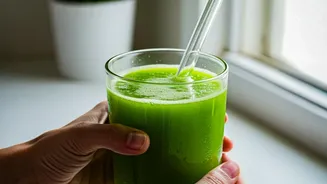
How you handle the morning after is just as important as the night before. Start your day by rehydrating immediately. A glass of water, perhaps with a squeeze of lemon, can help kick-start your system. Throughout the day, continue to sip water and consider electrolyte-rich drinks like coconut water. For breakfast, focus on nutritious foods that will restore your energy levels. Eggs are a great choice as they contain cysteine, an amino acid that helps your body break down the byproducts of alcohol. A gentle walk or some light stretching can also do wonders by boosting circulation and helping your body process any lingering toxins. Most importantly, be kind to yourself. A late night happens, and a thoughtful recovery plan ensures you can enjoy the memories without paying for it the entire next day.