





Your Pre-Trip Vehicle Health Check
Your car is the most critical part of a safe journey. Before you even think of packing, conduct a thorough vehicle inspection. First, focus on the tyres. Good tread depth is essential for grip on wet roads to avoid skidding; if the tread is less than
3mm, it's time for a replacement. Also check for correct tyre pressure. Second, test your brakes. They will be under immense strain on steep descents. If they feel spongy or make noise, get them serviced. Third, ensure all your lights are working perfectly—headlights, tail lights, brake lights, and indicators. In heavy fog and rain, visibility can drop suddenly, and you need to see and be seen. Finally, replace your wiper blades if they leave streaks; new ones are inexpensive and crucial for clear vision.
Smarter Driving on Mountain Roads
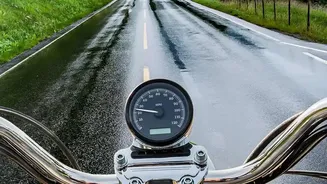
Driving in the hills during monsoon demands a change in technique. The golden rule is to slow down significantly, as wet roads increase your car's stopping distance. Maintain a much larger gap between your vehicle and the one in front. When driving downhill, use a lower gear to let the engine do some of the braking, preventing your brakes from overheating. Never use cruise control on wet roads, as it can reduce your reaction time if you start to hydroplane. Be especially cautious around blind curves and be prepared for unexpected obstacles like fallen rocks or potholes hidden by water. It’s also wise to avoid driving at night when visibility is at its lowest and risks are higher.
What to Do If You Encounter a Landslide
Landslides are a real danger in hill stations like those in Himachal Pradesh and Uttarakhand during peak monsoon. Recognizing warning signs like small slides, leaning trees, or new cracks on the road surface is key. If you see a landslide happening from a distance, do not try to outrun it. The safest option is to stop and move away from its path, preferably to higher ground if possible. If you get caught in your vehicle, expert advice varies. Some suggest staying inside as the car can act as a protective shell against smaller debris. If you do stay in the car, curl into a ball to protect your head. Others recommend exiting the vehicle and moving uphill if it's safe to do so, as cars can be swept away or buried. Never attempt to drive through flowing debris or water.
Pack an Emergency Kit for Peace of Mind
A well-stocked emergency kit is non-negotiable for a monsoon road trip with family. Your kit should include a comprehensive first-aid box with basics like bandages, antiseptic, and pain relievers, along with any personal medications. Pack essentials for the car, such as a tow rope, jumper cables, and a torch with extra batteries. For the family, include rain gear like jackets or ponchos, and an umbrella. It's also smart to carry extra food (like granola bars and nuts), drinking water, and a power bank for your phones. Since you're travelling with children, pack their necessary medicines, extra clothes in waterproof bags, and something to keep them occupied if you face long delays.
Stay Informed and Be Flexible
Before and during your trip, keep a constant check on weather forecasts from reliable sources like the India Meteorological Department (IMD). An 'Orange' or 'Red' alert for your route or destination is a strong signal to postpone your travel plans. Follow local news and traffic police social media accounts for real-time updates on road closures. Don't rely solely on GPS, which might suggest risky shortcuts. It's always better to stick to main highways. Inform a friend or family member about your itinerary and check in with them periodically. The most important tip is to be flexible; if conditions look unsafe, the wisest decision is to pull over and wait, or find a safe place to stay overnight.