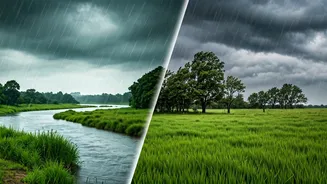







Plan Ahead, Travel Smarter
Spontaneity is wonderful, but the monsoon is not the time for it. Before you even pack your bags, choose your destination wisely. Some areas, particularly in the Himalayas and Western Ghats, are highly prone to landslides and flash floods. As of late
June 2026, authorities have issued heavy rainfall alerts for states like Uttarakhand, which increases the risk of road closures. Check the weather forecast for your entire route, not just the destination. Inform family or friends of your itinerary. If driving, ensure your vehicle is serviced, paying special attention to tyres, brakes, and wipers. Worn-out tyres with insufficient tread can severely compromise grip on wet roads.
On the Road: Navigating Wet Conditions
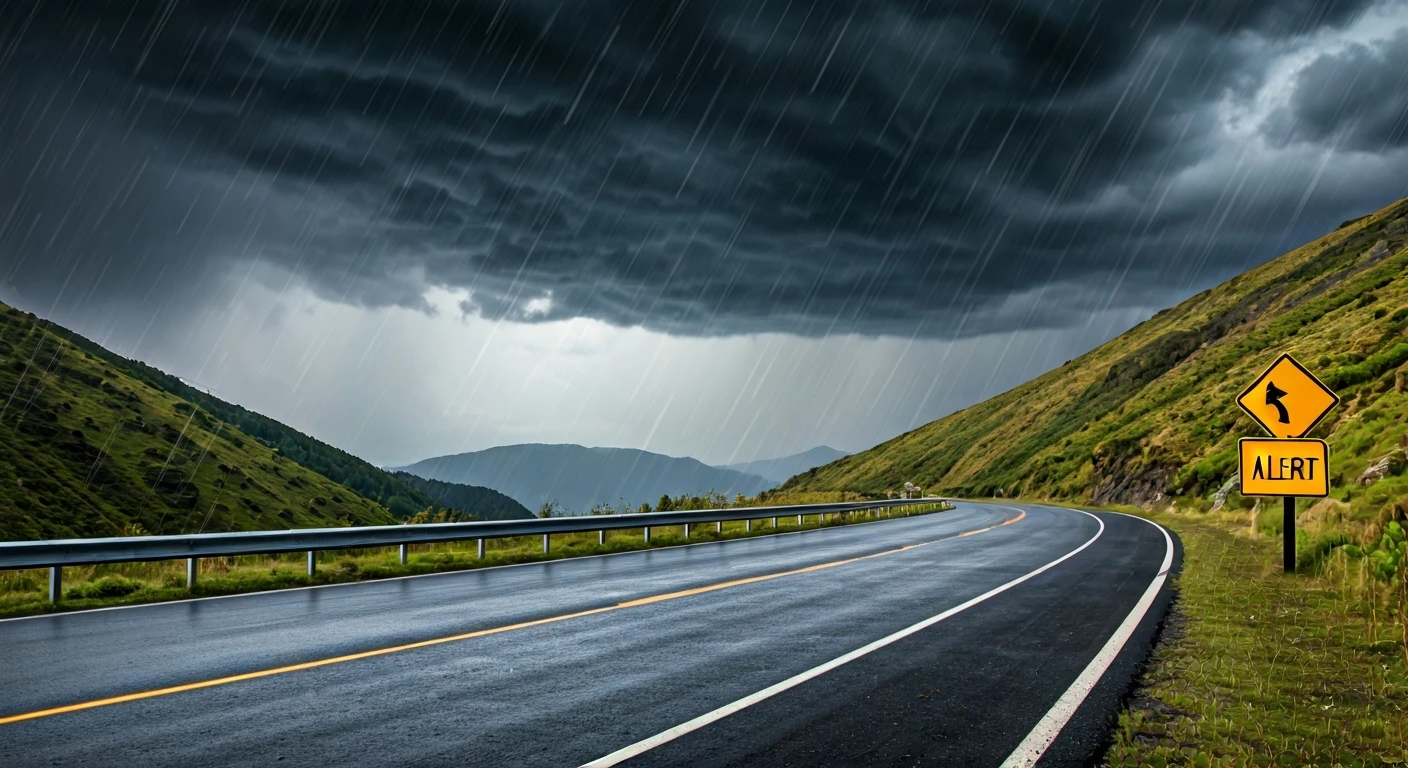
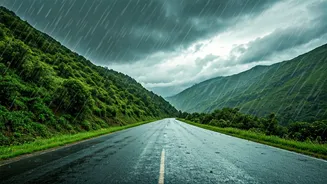
Driving during the monsoon is a different ballgame. The first rains can make roads especially slippery. The cardinal rule is to slow down and maintain at least double the usual distance from the vehicle in front, as braking distances increase dramatically on wet surfaces. Always drive with your low-beam headlights on, even during the day, to improve your visibility and ensure others can see you. Be wary of driving through standing water, which can conceal deep potholes or cause your vehicle to aquaplane, leading to a loss of control. If visibility becomes dangerously low during a downpour, it's safer to pull over in a safe spot, away from traffic and potential tree falls, and wait for the rain to subside.
Pack for Prevention, Not Just the View
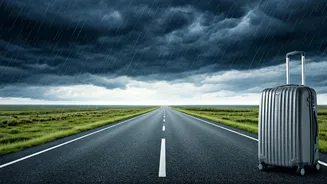
Your monsoon packing list needs a practical overhaul. Prioritise quick-drying synthetic fabrics over cotton and denim, which stay damp for a long time. A sturdy raincoat is often more practical than an umbrella in windy conditions. Invest in waterproof footwear with a good grip to navigate slippery paths. Your luggage itself should be waterproof, or at least have a waterproof cover. To protect your electronics like phones and cameras, use ziplock bags or waterproof pouches. A power bank is non-negotiable, as power cuts can be common. Finally, a basic first-aid kit with antiseptic cream, bandages, and medication for common ailments like colds and upset stomachs is essential.
Health and Hygiene on the Go
The monsoon brings an increased risk of water-borne and vector-borne diseases. The humidity creates a breeding ground for bacteria and viruses. Be extremely cautious about what you eat and drink. Avoid street food, no matter how tempting, as the chances of contamination are high. Stick to bottled, boiled, or purified water and ensure you stay hydrated. To guard against mosquito-borne illnesses like dengue and malaria, use a strong insect repellent, wear long-sleeved clothing, and consider using mosquito nets at your accommodation. Maintaining personal hygiene by washing hands frequently or using a hand sanitizer is one of the simplest yet most effective ways to stay healthy.
Know the Terrain, Respect Nature
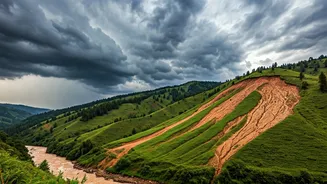
The breathtaking beauty of monsoon landscapes, especially in hilly regions, often masks significant dangers. Roughly 12.6% of India's land area is prone to landslides, with the Himalayas and Western Ghats being the most vulnerable regions. Avoid being overly adventurous by taking unexplored routes or off-roading, as paths can be mucky and treacherous. Steer clear of gushing rivers and streams, which can swell unexpectedly. If you are in a landslide-prone area, be aware of the warning signs and always follow the advice of local authorities. Recent alerts for states like Uttarakhand underscore the reality of these risks, with officials sometimes temporarily halting travel for safety. Being informed and cautious allows you to appreciate the scenery without putting yourself in harm's way.