



Why Monsoon is Your Gardening Guru
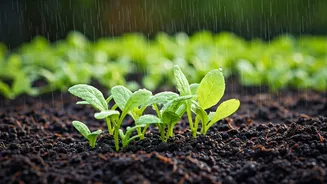
If the thought of remembering a watering schedule fills you with dread, the monsoon season is your saviour. The most significant advantage is the natural, consistent irrigation provided by the rain. You won't have to worry about your plants drying out,
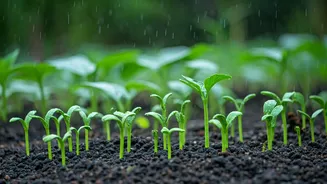
which is the number one cause of failure for new gardeners. The increased humidity in the air also creates a greenhouse-like effect, encouraging seeds to germinate faster and young plants to establish strong roots. Cooler temperatures reduce the stress on delicate seedlings, giving them a much better chance of survival compared to the harsh summer heat. Essentially, Mother Nature does most of the heavy lifting for you, allowing you to focus on the fun part: watching things grow.
Foolproof Veggies for Your First Harvest
Nothing beats the taste of homegrown vegetables. The monsoon is ideal for starting a kitchen garden with some easy, rewarding plants.
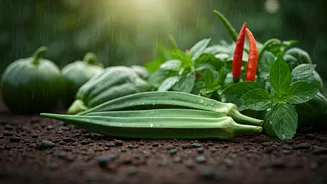
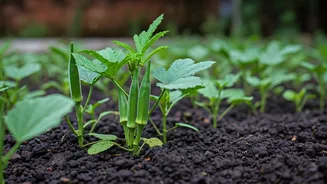
* **Bhindi (Okra):** This is a classic monsoon vegetable for a reason. It loves the warm, humid weather and grows relatively quickly. Plant the seeds directly in a pot or garden bed and you could be harvesting in less than two months.
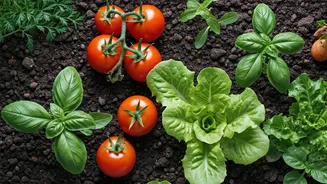
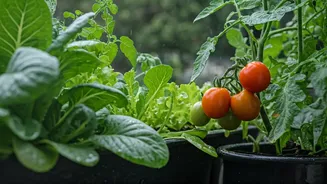
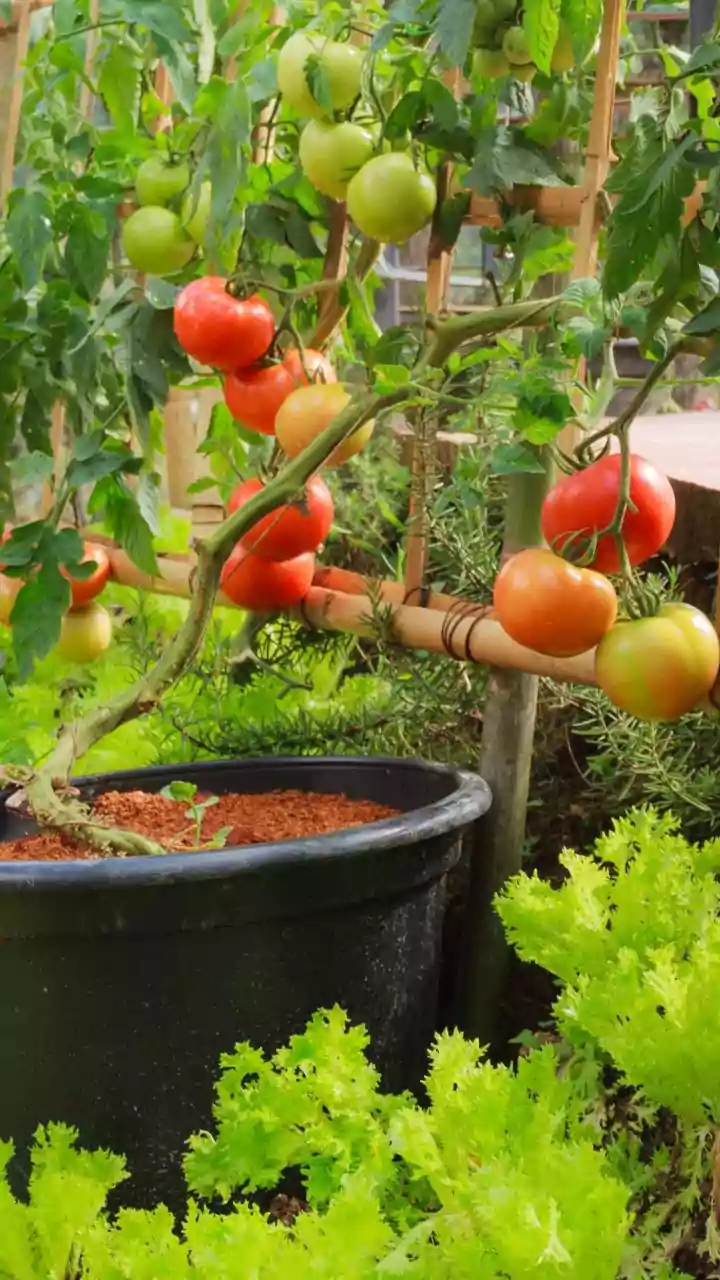
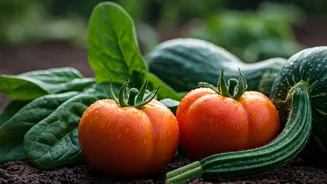
* **Tomatoes:** While they need some protection from very heavy downpours, monsoon is a great time to grow tomatoes. The ambient moisture helps the fruit develop. Choose a cherry tomato variety for quicker, more reliable results.
* **Chillies:** A staple in Indian cooking, chilli plants thrive during the rainy season. They are hardy, require minimal care, and will reward you with a continuous supply of fresh chillies for your curries and tadkas. Just ensure they get a few hours of sunlight whenever the clouds part.
Bright Blooms to Beat the Grey Skies
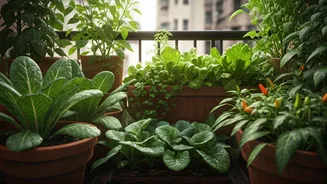
Gardening isn’t just about food; it’s also about beauty. Planting flowers during the monsoon can transform your balcony or garden into a vibrant oasis.
* **Marigold (Genda):** These cheerful orange and yellow flowers are incredibly resilient and low-maintenance. They actually thrive in the monsoon climate and can help deter pests from your vegetable plants. Plus, you’ll have fresh flowers for pujas and decorations.
* **Balsam (Gulmehendi):** Known as the “touch-me-not” for its exploding seed pods, balsam is a delightful and easy-to-grow monsoon flower. It produces beautiful blooms in shades of pink, red, and white, adding a splash of colour to the gloomiest of days.
* **Hibiscus:** While a perennial, hibiscus plants put on a spectacular show during the monsoon. The rain encourages lush foliage and a profusion of its large, stunning flowers. If you have space for a larger pot, this is a must-have.
Your Monsoon Gardening Starter Kit
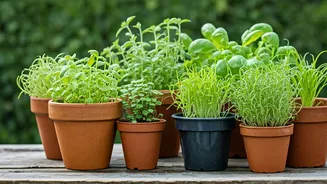
You don’t need a lot of fancy equipment to get started. Focus on the basics. First, choose the right container. A simple terracotta pot or a grow bag will do. The single most important feature is drainage holes at the bottom—this is non-negotiable during the monsoon. Second, invest in a good potting mix. Don’t just use soil from the ground, as it can be heavy and compact when wet. A mix of soil, cocopeat, and compost is light, airy, and full of nutrients. You can buy pre-made mixes from any local nursery. Finally, identify a spot that gets at least 4-5 hours of sunlight. Even on overcast days, ambient light is crucial for plant growth.
Simple Rules to Avoid Common Pitfalls
While the monsoon is forgiving, a few simple rules will guarantee your success. The biggest danger is overwatering, not from you, but from the sky. Ensure your pots are not sitting in trays filled with water. If there’s a week of non-stop, heavy rain, consider moving smaller pots to a covered patio or balcony to give them a break. Keep an eye out for pests like slugs and snails, which love the damp conditions; you can easily pick them off by hand. Lastly, don't be afraid to prune. Snipping off yellowing leaves or weak stems encourages the plant to direct its energy towards new, healthy growth. It feels counterintuitive, but it works wonders.