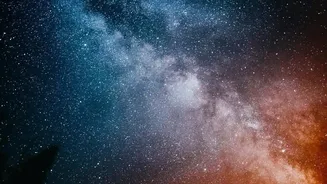



This November, the cosmos puts on a spectacular show. To truly appreciate it, you need to escape the city's glow. We've mapped out India's premier dark-sky destinations for capturing breathtaking celestial moments with your camera.
What to Watch for This November
November 2026 is a fantastic
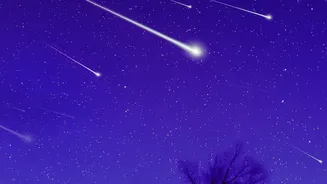
month for skygazers. The main event is the Leonid meteor shower, which is active from November 6 to 30. It's expected to peak on the night of November 17-18. In India, the best time to watch will be in the early morning hours of November 18, from about 2 AM until dawn, when you might see up to 15-16 meteors per hour from a truly dark location. The Leonids are known for their speed, travelling at 71 km/s, and often leave bright, glowing trails. For the best viewing conditions, plan your astrophotography sessions around the New Moon on November 9, which ensures the darkest possible skies.
Hanle, Ladakh: India's Dark Sky Sanctuary
Topping any list of astrophotography spots is Hanle in Ladakh, home to India's first official Dark Sky Reserve. Situated at a breathtaking altitude of 4,500 metres, Hanle offers some of the clearest and darkest skies in the world, making it a paradise for astronomers. The thin, dry air and near-zero light pollution mean the Milky Way is often visible in stunning detail to the naked eye. The area is home to the Indian Astronomical Observatory, a testament to its pristine sky quality. Local villagers, trained as 'Astronomy Ambassadors', can even guide you through the cosmos with their telescopes, making a trip here both educational and awe-inspiring. While November is cold, the crisp winter air offers phenomenal clarity for those prepared for the temperatures.
Spiti Valley, Himachal Pradesh: A High-Altitude Desert Canvas
Spiti Valley is another cold-desert wonder, renowned for its dramatic landscapes and profoundly dark skies. Villages like Langza, Kibber, and Komic, some of the highest inhabited villages in the world, serve as perfect bases for stargazing. At altitudes often exceeding 12,000 feet, you are positioned above most atmospheric haze. While the peak season for Milky Way photography is from May to October, November brings even sharper and clearer air, though with plunging temperatures. The iconic Buddha statue at Langza against a star-filled sky is a bucket-list shot for many astrophotographers. The stark, monastic landscapes provide a surreal foreground for capturing the fleeting streaks of the Leonid meteors.
Rann of Kutch, Gujarat: A White Desert Dreamscape
For a completely different but equally magical experience, head to the Great Rann of Kutch. The vast, flat expanse of the white salt desert provides an unobstructed horizon-to-horizon view. The stargazing season here aligns perfectly with the Rann Utsav, which begins on November 1, 2026, running through the winter months when the air is driest. The lack of nearby cities ensures minimal light pollution. While a full moon creates a mesmerising glow across the salt flats, the dark nights around the new moon are ideal for capturing faint celestial objects. Imagine setting up your tripod on the silent, white earth to photograph the Leonids streaking across a uniquely ethereal landscape. Locations like Dhordo and Kala Dungar are prime spots.
Coorg, Karnataka: Stargazing in the Southern Ghats
You don't have to go to the Himalayas for dark skies. In the south, Coorg in the Western Ghats offers excellent opportunities. The region's coffee and spice plantations, situated at altitudes between 900 and 1800 metres, have areas with surprisingly dark skies. The poststmonsoon period from October through May provides clear nights perfect for astronomy. Spots like Tadiandamol Peak, the highest in Kodagu, and remote homestays around Madikeri offer clear vantages. There is even a public observatory in Coorg run by Starscapes, making the cosmos more accessible. For those in southern India, Coorg provides a lush, green alternative to the stark northern deserts for a weekend of celestial photography.