

Why We Suspect an Ocean
The evidence for Europa's hidden ocean has been building for decades. Data from NASA's Galileo spacecraft in the 1990s provided the most tantalizing clues. It found that Jupiter's powerful magnetic field was creating a secondary, induced magnetic field within
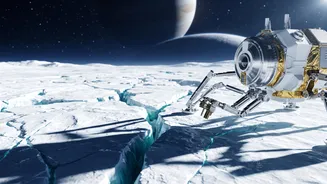
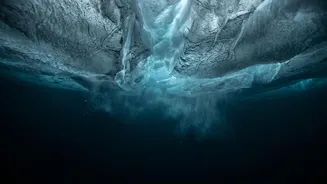
Europa. Scientists believe the most likely explanation for this phenomenon is a globe-spanning layer of electrically conductive fluid—in other words, a salty ocean. Furthermore, the moon's surface is surprisingly smooth and relatively free of craters, suggesting it is geologically young and constantly being resurfaced, perhaps by water from below. Strange cracks and ridges crisscross the icy shell, hinting at the tidal stress exerted by a massive liquid layer beneath.
The Robotic Detectives on the Case
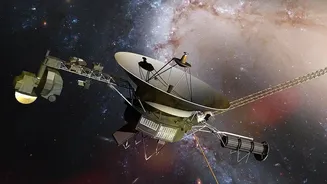
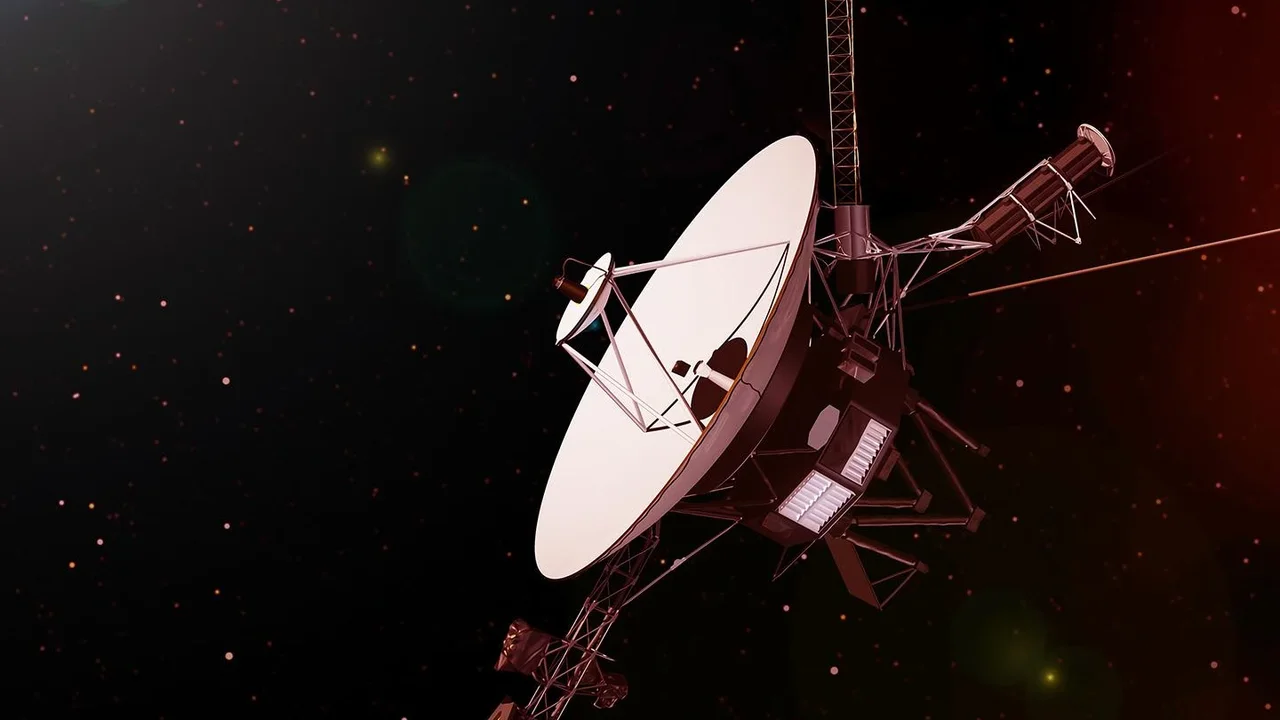
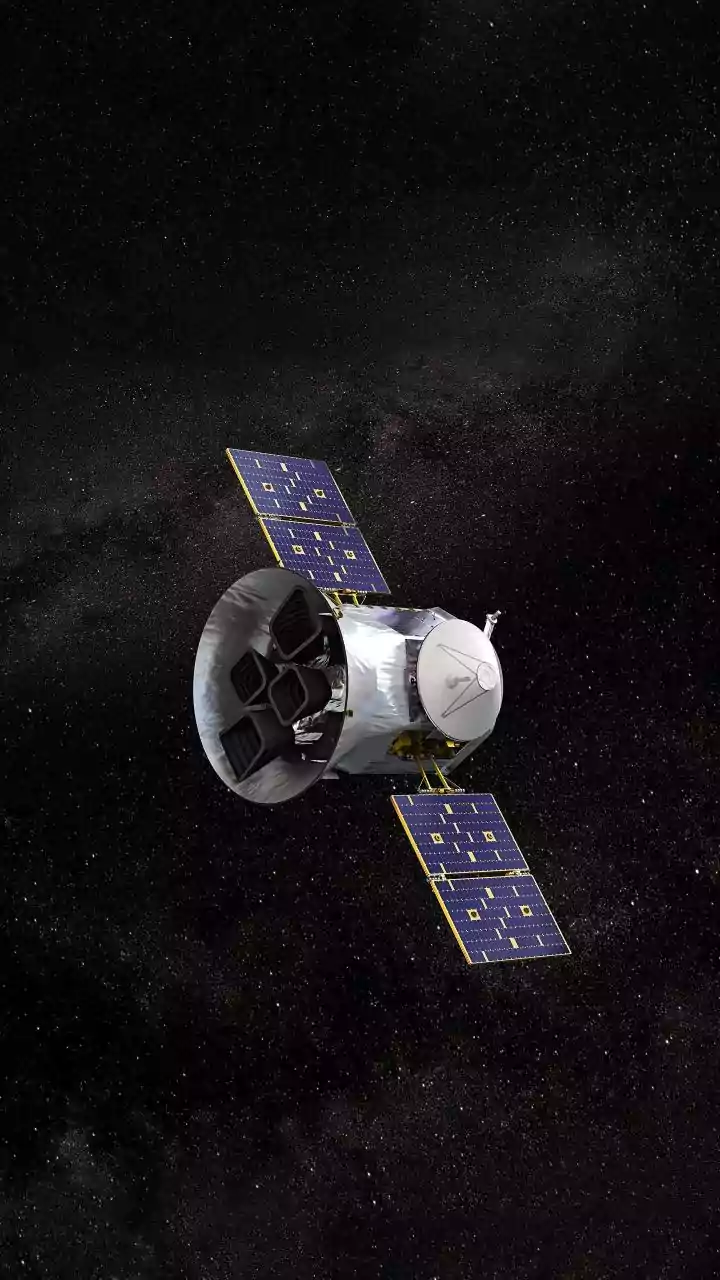
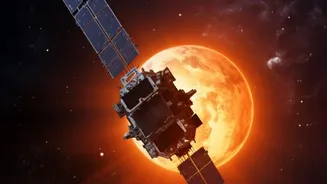
Two primary missions are tasked with investigating Europa: NASA's Europa Clipper and the European Space Agency's (ESA) Jupiter Icy Moons Explorer (JUICE). Europa Clipper, which launched in October 2024, is a dedicated mission to study Europa in detail. It won't orbit the moon directly due to the intense radiation from Jupiter, but will instead make nearly 50 close flybys, some as low as 25 kilometres above the surface, upon its arrival in the Jupiter system in 2030. The JUICE mission, which launched in 2023, has a broader mandate to study Jupiter and its three largest icy moons, but will conduct two crucial flybys of Europa in 2032 to gather vital data.
How to 'See' a Buried Ocean
Confirming an ocean hidden under kilometers of ice requires a suite of sophisticated instruments working in concert. Both Clipper and JUICE are equipped with powerful tools for this cosmic detective work. The star instrument is ice-penetrating radar. This works by sending radio waves through the ice shell; the way these waves bounce back can reveal the thickness of the ice and, most importantly, detect the distinct reflection of a liquid water boundary. Another key tool is a magnetometer. Clipper's advanced magnetometer will precisely measure the induced magnetic field that Galileo first detected, which will allow scientists to determine the ocean's depth, extent, and even its salinity. These two instruments provide the most direct methods for confirming and characterizing the ocean without ever touching it.
Searching for Marine Signs
Beyond simply finding water, the missions are looking for 'marine signs' that hint at a habitable environment. This involves searching for the chemical building blocks for life. Onboard spectrometers will analyze the composition of Europa's tenuous atmosphere and surface materials, looking for organic compounds and salts that may have originated from the ocean below. Scientists are particularly interested in analysing material from the water vapour plumes that have been tentatively observed erupting from Europa's surface. Instruments like Clipper's SUrface Dust Analyser (SUDA) are designed to directly capture and analyse these particles, offering a potential sample of the ocean's chemistry without having to drill through the ice. High-resolution cameras will also map the surface, searching for active geological sites where ocean material might be exposed.