




A Counter-Intuitive Escape
The remote work revolution has fundamentally changed the Indian professional landscape, especially in the tech sector. No longer tethered to bustling city offices in Bangalore or Hyderabad, a growing number of developers, designers, and digital marketers
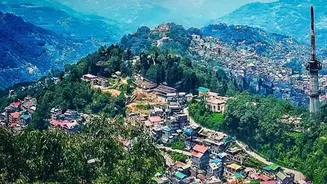
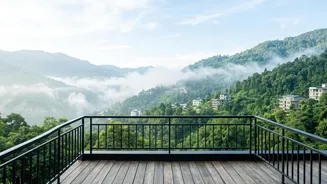
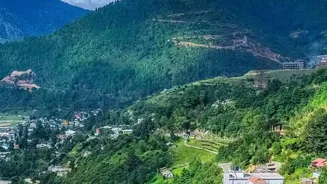
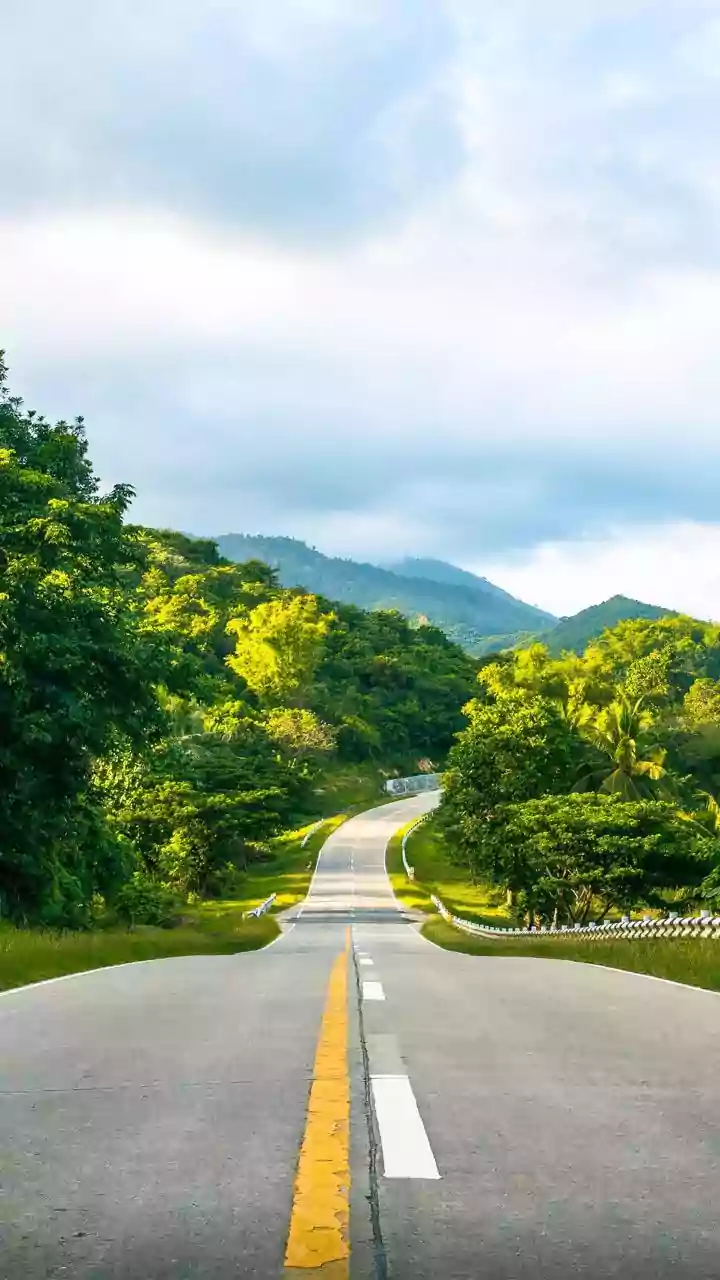
are seeking environments that offer a better work-life balance. This has given rise to the 'workation'— a blend of work and vacation. While destinations like Goa and Himachal have been popular, Sikkim is rapidly emerging as a preferred choice, particularly during the monsoon season from June to September. What was once considered the tourist off-season is now a peak period for professionals looking for focus and tranquility. They are drawn by the promise of lush green landscapes, mist-covered mountains, and a peaceful environment conducive to deep work.
The Allure of the Monsoon
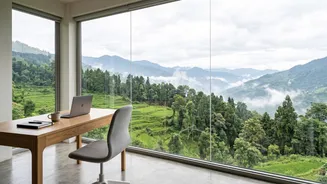
For tech workers engaged in tasks that require intense concentration, like coding or strategic planning, the monsoon in Sikkim offers the perfect backdrop. The usual tourist crowds thin out, leading to quieter towns and less congested public spaces. The constant, gentle rain creates a cosy, introspective atmosphere that many find helps them focus. Instead of being a deterrent, the rain-washed, emerald valleys and full-flowing waterfalls provide a stunning, ever-present view from their workspace windows. The cooler temperatures, typically between 15°C and 25°C, also mean greater comfort and less reliance on air conditioning, which is a welcome change from the city heat. This serene environment allows for a mindful, slower pace of life that complements a demanding work schedule.
Infrastructure Meets Nature
The primary enabler of this trend is a significant upgrade in Sikkim’s digital infrastructure. Once considered a connectivity dead zone, regions like Gangtok, Pelling, and even remote villages like Yakten now boast reliable high-speed fiber internet. Many co-living spaces and homestays offer dedicated workspaces, ergonomic chairs, and, crucially, power backup systems like inverters and generators to counter the region's occasional power cuts. Hubs like the 'Digital Nomad Village' in Yakten, an initiative by the local administration, are specifically designed for remote professionals, providing dual internet lines to ensure near-constant uptime. This focus on 'digital hospitality' means a tech worker can seamlessly join a video conference or push code to a server while surrounded by Himalayan forests.
Community and Co-Living
Beyond the practicalities of a good internet connection, what sets these Sikkim hubs apart is the emphasis on community. Remote work can often lead to isolation, a challenge that co-living spaces are designed to solve. These hubs are more than just shared accommodations; they are curated communities. They host workshops, skill-sharing sessions, communal dinners, and weekend treks, allowing professionals to network and socialise with like-minded peers from diverse backgrounds. In places like Yakten, the model integrates visitors with local families through community-run homestays, offering an authentic cultural exchange alongside a productive work environment. This blend of professional networking and cultural immersion creates a holistic living experience that a solitary apartment in a big city cannot match.
The Favourable Economics
For many tech workers, a long-term workation in Sikkim is also a financially savvy move. The cost of living is significantly lower than in major metropolitan hubs like Delhi or Bangalore. Rent for a well-equipped room or apartment in a co-living hub is often a fraction of what one would pay for a city flat. Expenses on food, transportation, and recreation are also considerably lower. Many properties offer discounted rates for long-term stays, especially during the monsoon, making it an affordable proposition. This economic advantage allows professionals to save money while enjoying a higher quality of life, surrounded by nature and clean air.