



What Is This ‘Alignment’?
When astronomers talk about a planetary alignment or conjunction, they aren’t suggesting the planets are forming a perfectly straight line in space. That’s a common misconception. Instead, it means that from our vantage point here on Earth, these planets appear
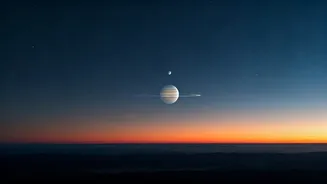
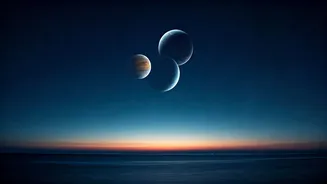
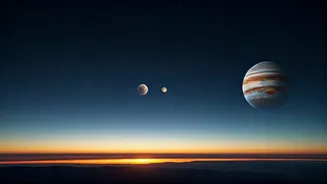
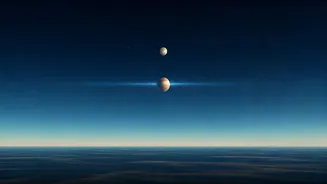
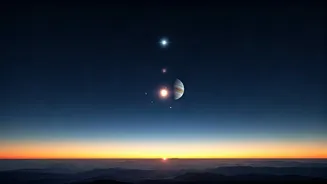
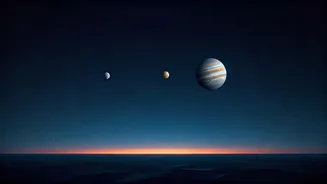
to be clustered closely together in a small patch of the night sky. Think of it as a celestial photo-op. These events happen because each planet orbits the Sun at a different speed and on a slightly different plane. Occasionally, their orbits bring them into the same line of sight for us, creating these beautiful, temporary groupings. Tonight’s event is a wonderful opportunity to see three distinct worlds at once without any special equipment.
The Best Time and Place to Watch
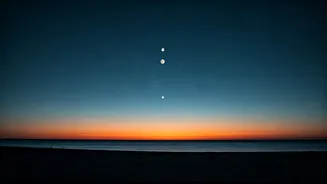
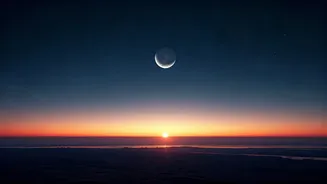
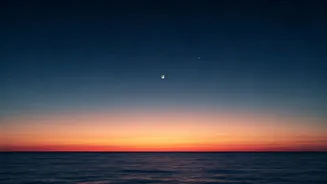
Timing and location are everything for this event. The planets will be visible shortly after the sun dips below the horizon. The best viewing window is narrow, typically lasting from about 30 to 75 minutes after sunset. As the sky darkens, the planets will become more prominent, but because they are low on the horizon, they will also set relatively quickly. For the best view, find a spot with an unobstructed view of the western horizon. This means avoiding tall buildings, trees, or hills in that direction. Rooftops, open fields, or a beach facing west are ideal locations. The less light pollution you have, the better your view will be, especially for spotting the faintest of the trio, Mercury.
How to Spot Each Planet
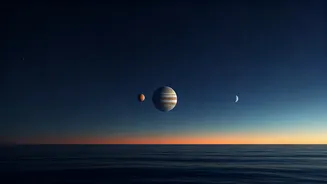
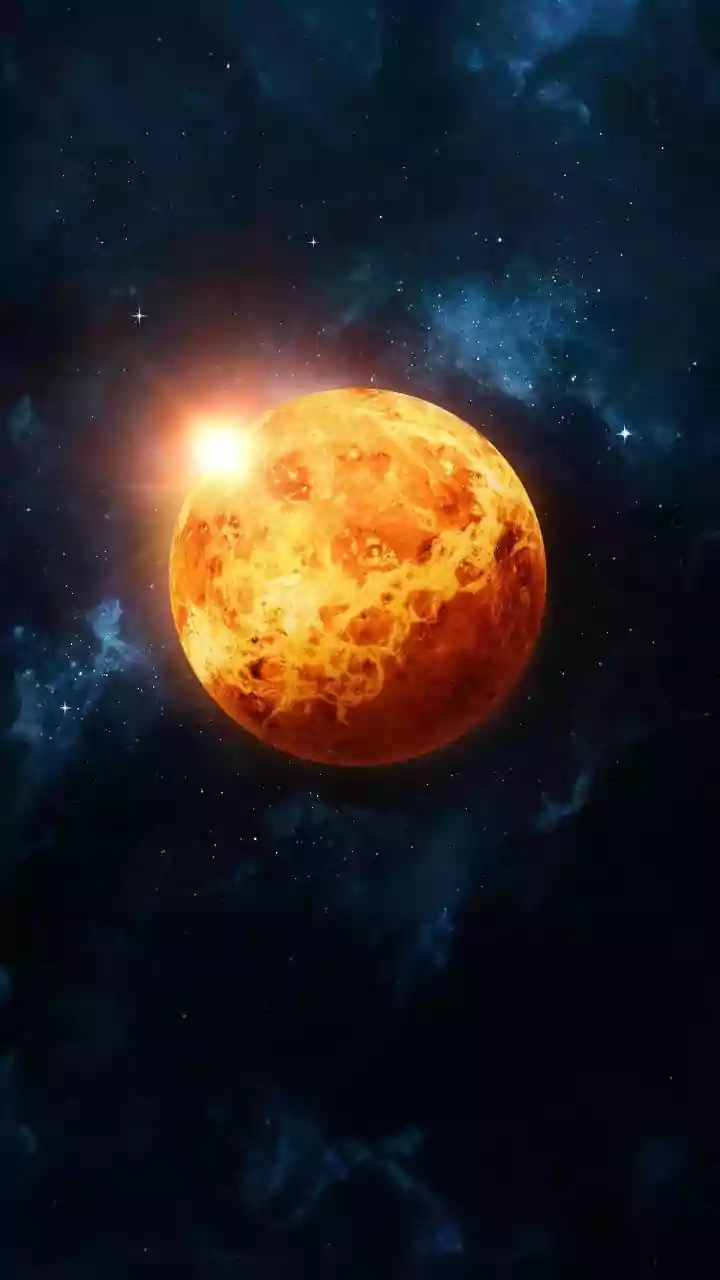
You won’t have much trouble finding Venus. It will be the brightest object in the western twilight sky, impossible to miss. It shines with a steady, brilliant white light, unlike the twinkling of a star. Just above Venus, you should be able to spot the second-brightest point of light, which is Jupiter. While not as dazzling as Venus, Jupiter is still brighter than any star in the night sky. The real challenge is Mercury. It will be the faintest of the three and positioned closest to the horizon, potentially lurking in the fading glow of sunset. Look for a small, star-like point of light just below and to the side of Venus. Having Venus as a guidepost is your best bet for tracking down the elusive first planet from the Sun.
Do You Need Binoculars or a Telescope?
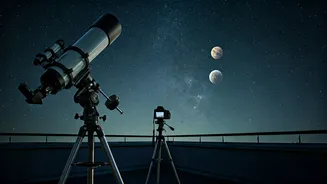
The great news is that you don’t need any special equipment to enjoy this planetary gathering. Both Venus and Jupiter are easily visible to the naked eye. However, if you have a pair of binoculars, bring them along. Binoculars will dramatically improve the experience. They will make Mercury much easier to spot against the twilight glare and might even reveal Jupiter’s four largest moons, known as the Galilean moons, appearing as tiny pinpricks of light flanking the planet. A telescope would, of course, provide even more detail, potentially showing the phases of Venus or cloud bands on Jupiter, but it is by no means necessary to appreciate the simple beauty of the alignment itself.
Tips for a Great Viewing Experience
To make the most of this celestial event, a little preparation goes a long way. First, check your local sunset time and plan to be in your viewing spot at least 15 minutes beforehand. Second, give your eyes time to adapt to the dark; avoid looking at your bright phone screen. If you need a light, use a red torch, as red light is less disruptive to your night vision. Finally, be patient. As the sky grows darker, more details will emerge. This isn't just about ticking off planets; it's about taking a moment to connect with the cosmos and witness the silent, graceful dance of our solar system neighbours. It’s a moment of wonder available to everyone.