




Start with the Right Rice
Not all basmati is created equal. For the fluffiest results, look for 'aged' basmati rice. Aging reduces the moisture content in the grains, which helps them cook up firmer and more separate. Varieties like 1121 Basmati are globally recognized for their
extra-long grains that stay beautifully distinct and non-sticky, making them ideal for dishes like biryani and pulao. While origin from India or Pakistan is a mark of authenticity, the key is choosing aged, long-grain varieties for that desirable restaurant-quality texture.
The Crucial Step: Rinsing
This is the most important secret to avoiding sticky rice. During milling and transport, rice grains rub together, creating a coating of loose starch. If you don't wash this off, it dissolves in the cooking water and acts like a glue, causing the grains to clump together. To prevent this, rinse your rice in a bowl of cold water, swirling it with your hands. Pour off the milky water and repeat the process three to four times, until the water runs mostly clear. This simple step is non-negotiable for achieving separate grains.
To Soak or Not to Soak
While rinsing is essential, soaking is a highly recommended step that makes a visible difference. Soaking the rinsed rice for 20 to 30 minutes allows the grains to hydrate evenly before they hit the heat. This pre-soaking helps the grains stretch to their maximum length without breaking during cooking. The result is more elegant, longer grains that cook faster and more evenly. For dishes like biryani, where individual grain integrity is paramount, soaking for at least 30 minutes is considered essential by most chefs.
Perfecting the Water Ratio
One of the biggest mistakes leading to mushy rice is using too much water. For the absorption method on a stovetop, a reliable starting ratio is 1 cup of rice to 1.5 cups of water. If you have soaked your rice, you may need slightly less water. Some cooks prefer up to 1.75 cups of water for a softer texture, so feel free to adjust after your first attempt to find what works for your specific brand of rice and stove. The key is consistency; once you find your perfect ratio, stick to it.
The Cooking Process
For the absorption method, place your rinsed (and preferably soaked) rice and water in a heavy-bottomed pot. Bring it to a boil uncovered. Once the surface is bubbling, reduce the heat to the absolute lowest setting, cover the pot with a tight-fitting lid, and let it simmer for 10-15 minutes. A crucial rule is to not lift the lid while it's simmering. Peeking allows steam to escape, which disrupts the cooking process and can lead to unevenly cooked rice. Once the time is up, you should be able to tilt the pot and see that all the water has been absorbed.
Let It Rest and Fluff
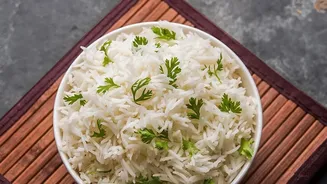
Once the cooking time is complete, turn off the heat but do not lift the lid. Let the rice stand and steam for another 5 to 10 minutes. This resting period is fundamental; it allows the residual steam to finish the job, ensuring every grain is perfectly soft and cooked through. After resting, remove the lid and use a fork, not a spoon, to gently fluff the rice. A fork separates the grains without breaking or mashing them. Lift the grains from the bottom of the pot upwards, and you will see how easily they separate into a light, fluffy mound.