






The Scale of India's Waste Problem
The amount of food wasted in India is almost difficult to comprehend. Annually, the country loses produce worth an estimated ₹1.5 trillion. This isn't just a matter of discarding leftovers; a significant portion of this loss happens long before the food ever
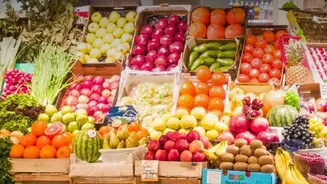
reaches a consumer's plate. The problem is twofold: 'food loss' occurs in the early stages of the supply chain—from farm to market—due to issues like inadequate storage and transportation. 'Food waste' refers to what is discarded at the retail and consumer level. In India, a vast amount of fruits, vegetables, and grains perish post-harvest, representing a colossal waste of water, land, energy, and labour. This has severe economic consequences, particularly for small-scale farmers, and contributes significantly to greenhouse gas emissions as organic matter rots in landfills.
Fixing the Foundation: Supply Chain and Cold Storage
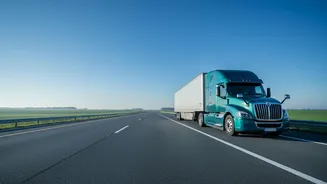
The most impactful strategy for reducing food loss in India focuses on strengthening the supply chain, a solution that is largely invisible to the end consumer but critical for preventing waste at the source. A major culprit is the lack of a robust 'cold chain'—a temperature-controlled supply line. India currently has capacity for only a fraction of the perishable goods it produces. This gap means that a huge volume of produce, especially fruits and vegetables, is damaged before it can be sold. Government initiatives and private investment are slowly expanding this network with more refrigerated transport and modern storage facilities. By ensuring produce is kept at the right temperature from farm to distributor, we can dramatically extend its shelf life, reducing losses without anyone's choices being affected.
Smarter Shopping Through Technology
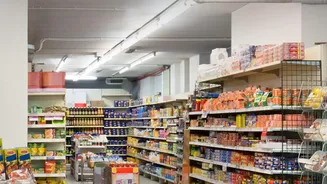
At the retail level, technology offers powerful ways to reduce waste while actively enhancing consumer choice and access. Artificial intelligence (AI) is being used to help grocery stores more accurately predict demand, ensuring they order the right amount of fresh goods and avoid overstocking. Another innovation is dynamic pricing, where software automatically reduces the price of items as they near their 'best before' date. This gives shoppers a chance to buy perfectly good food at a discount, preventing it from being thrown away. Furthermore, a new wave of mobile apps is connecting restaurants and stores with surplus food to consumers looking for a deal. Startups like Hyderabad's 'Good to Grab' offer unsold meals at half price, creating a win-win situation for businesses and customers.
From Waste to Resource: The Circular Economy
A truly strong strategy doesn't just prevent waste; it finds value in what's left over. This is the principle of a circular economy. In India, innovative startups are transforming unavoidable food scraps and surplus into new products. Delhi-based Wastelink, for example, collects food waste from over 50 cities and upcycles it into nutritious animal feed. This not only diverts thousands of tonnes of waste from landfills but also creates a valuable product for the agricultural sector. Other companies are using food and floral waste from temples to create organic fertilisers and even incense sticks. These approaches demonstrate that what was once considered 'waste' can become a resource, generating economic activity and reducing environmental harm.
Encouraging Donation Through Clear Policy
A key part of improving access is ensuring that surplus, edible food reaches those in need rather than a landfill. For years, uncertainty around liability and regulations made businesses hesitant to donate. However, recent policy changes, specifically the Food Safety and Standards (Recovery and Distribution of Surplus Food) Regulations, have created a clear legal framework. These regulations, championed by the FSSAI, provide guidelines and legal protection for businesses donating food in good faith. By clarifying the rules and responsibilities, the government is making it easier and safer for supermarkets, restaurants, and caterers to partner with charities and food banks, ensuring surplus food nourishes people, not landfills.